




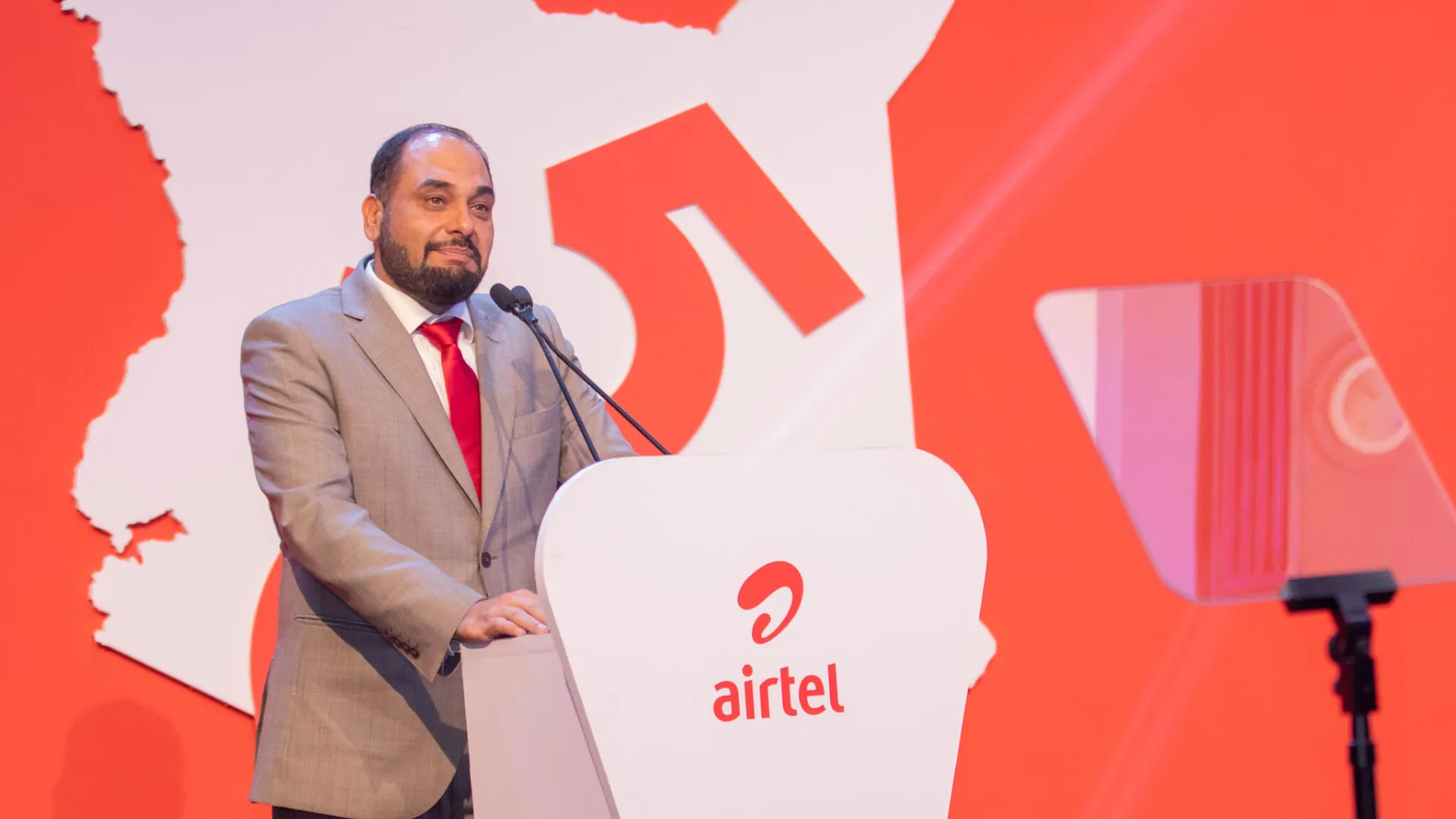
Airtel Kenya just rolled out two new time-based data bundles that enter the same market space as Safaricom’s recently launched B-Live product.
The new Unlimited Fun plans give customers 1 hour of internet for KES 19 or 3 hours for KES 45, with no data caps and no speed limits during that time.
Safaricom introduced B-Live recently, with charges at KES 20 per hour or KES 150 for 6 hours, letting customers use as much data as they want within their purchased time window.
Airtel’s pricing comes in slightly lower. At KES 19 versus 20, the difference looks minor for single hours. But the gap widens with longer usage. Airtel’s 3-hour bundle costs KES 45, working out to KES 15 per hour. Safaricom’s 6-hour option runs KES 25 per hour. For someone who needs 9 hours of internet, Airtel charges KES 135, while Safaricom would charge KES 190 for comparable coverage.
The real advantage of time-based pricing shows up for heavy data users. Someone streaming high-definition (HD) video or downloading large files can consume GBs worth of data without additional cost, as long as they stay within their time limit.
Under traditional data bundles, that same activity could drain hundreds of shillings worth of airtime quickly.
However, light users who mainly text on WhatsApp or check emails sporadically might end up paying more than they would with small data bundles.
The timer runs continuously whether you’re actively using data or just have your phone sitting on a table with apps refreshing in the background.
Safaricom has implemented network management measures with B-Live. The service disables tethering and hotspotting to prevent connection sharing with laptops or other devices.
The company also applies speed management through a fair usage policy, with the threshold of the Unlimited 1 hour bundle at 3GB and the Unlimited 3 hour bundle at 9GB. Airtel has not revealed whether tethering and hotspotting works with this bundles.

Customers can buy multiple bundles throughout the day by dialing *544# or using the My Airtel app, paying with either airtime or mobile money. The bundles can also be gifted to other users.
The shift to time-based billing is a meaningful change in how mobile internet gets packaged and sold in Kenya. Traditional data bundles created constant monitoring of consumption and pushed users to track their usage carefully.
Time-based plans eliminate that concern but introduce different considerations about usage patterns and value.