




The Kenyan government approved a public-private partnership (PPP) for the second-generation smart driving license during a Cabinet meeting on Monday.
This decision removes the National Transport and Safety Authority (NTSA) from managing the program after years of missed targets and operational failures.
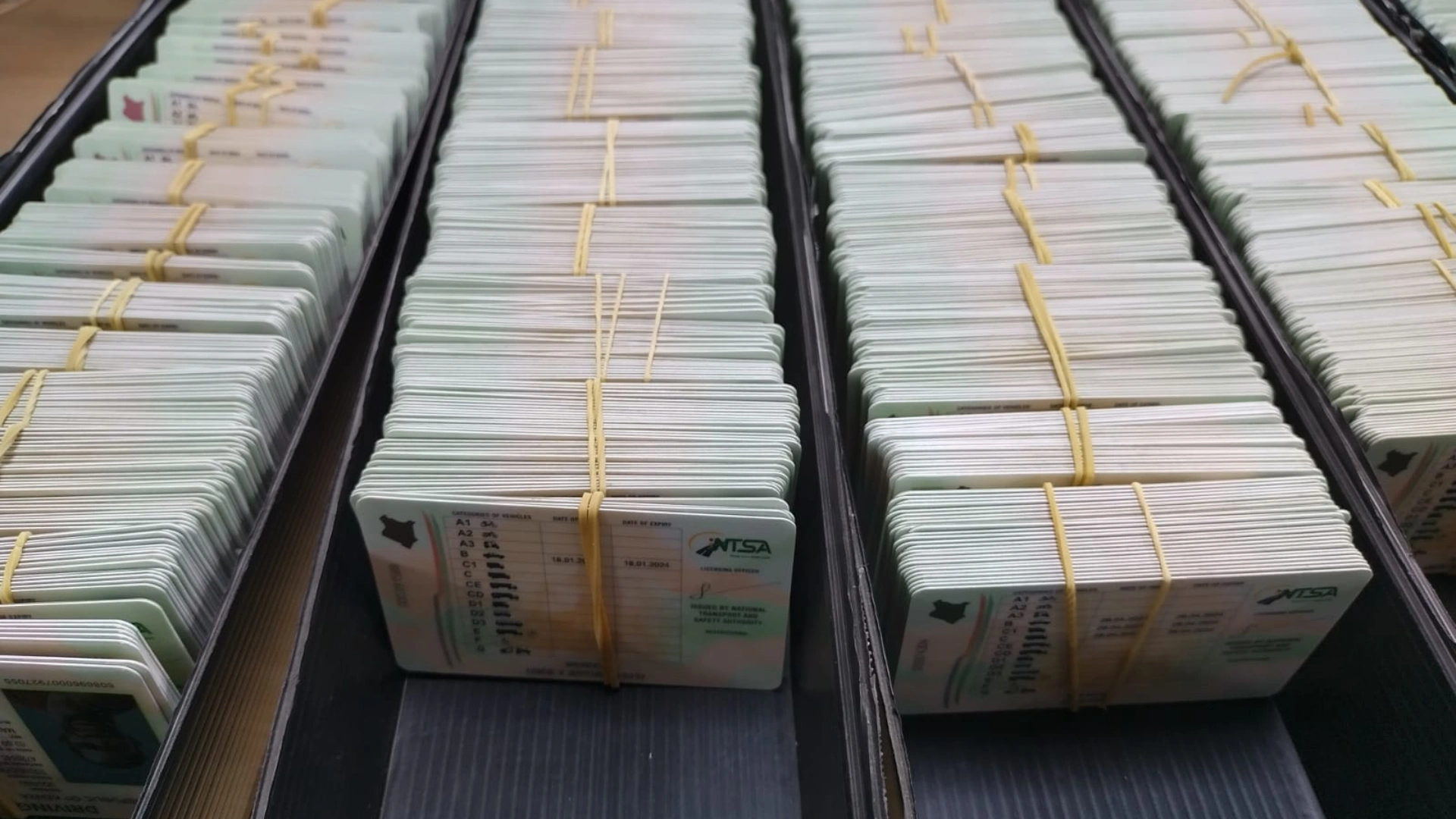
The smart license initiative launched in 2017 with a goal of issuing 5 million cards. Eight years later, only 2.1 million licenses have been distributed. NTSA printed 342,492 licenses in the year ending June 2025, falling short of its 400,000 target by nearly 15%.
An Auditor General report found 572,674 unprinted cards worth KES 176 million sitting unused in NTSA stores, with no clear deployment plan.
More than 4 million blank cards were delivered under the original contract with National Bank of Kenya, which Access Bank has since acquired.
NTSA officials point to motorists preferring yearly electronic licenses over three-year smart cards as the reason for slow uptake.
However, the government’s decision to shift the program to private investors suggests the problem runs deeper than customer preference.
The second-generation smart driving license will integrate three key features. An instant fines system will levy penalties against digital records immediately when traffic offenses occur.
READ: NTSA Rolls Out Digital Speed Cameras That Fine You Instantly
A mobile license wallet will allow drivers to carry and present their credentials on their phones. A merit and demerit points system will track driver behavior, with repeat offenders potentially facing license suspension while compliant drivers build positive scores.
The chip-based cards will store personal information, traffic offense records, fines, and digital signatures. The system aims to enable real-time license verification, automated fine issuance, and continuous monitoring of driver behavior.
Government officials expect private sector involvement to improve efficiency, accelerate delivery, and reduce the operational bottlenecks that have plagued the smart license program since its inception.
Whether a private partner can succeed where NTSA struggled remains to be seen, but for the millions of Kenyan motorists still waiting for their smart licenses, any improvement would be welcome.