.
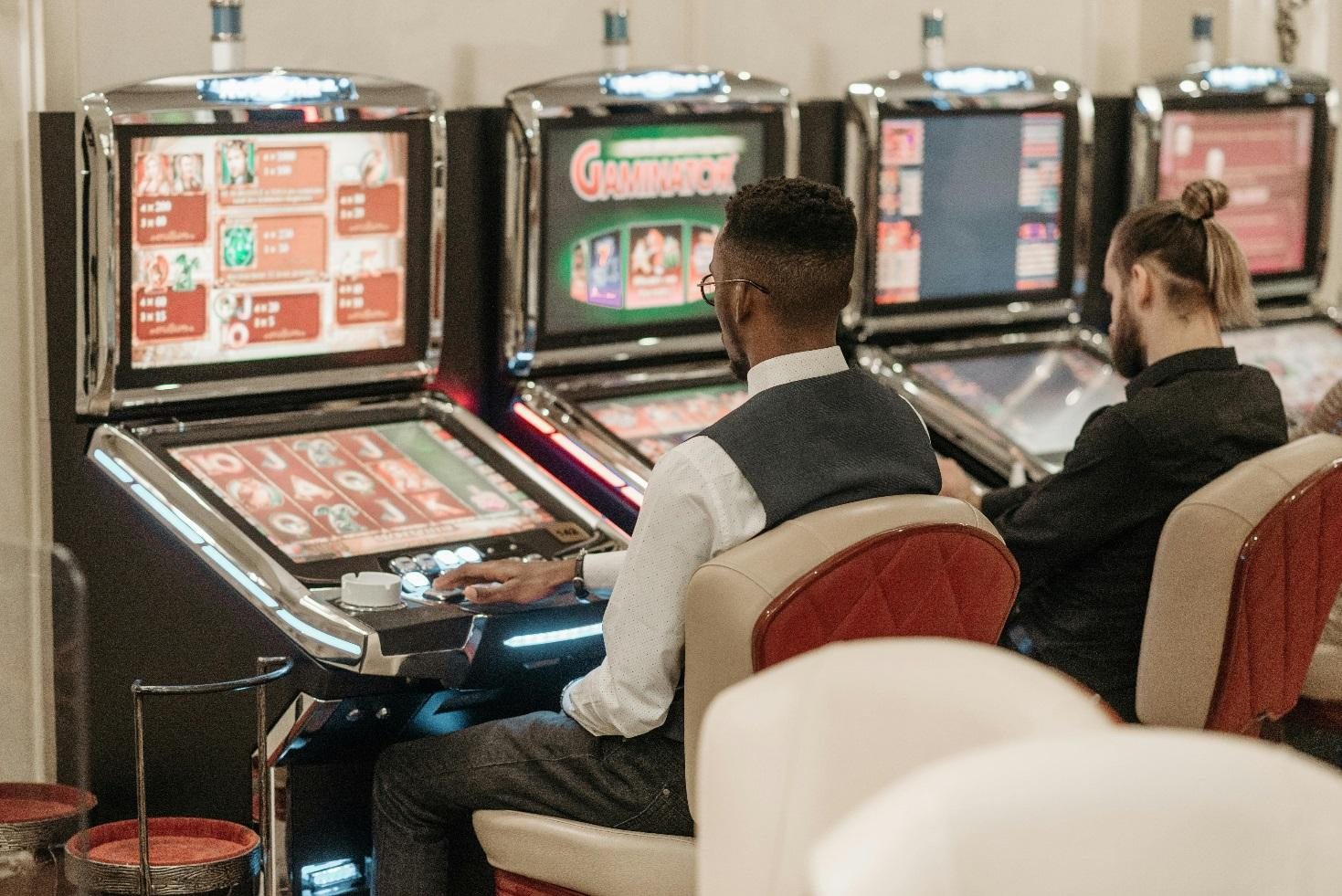
Why Players Prefer Autospin in Certain Slots
Slot play has changed alongside digital platforms. Sessions now last longer, yet individual actions receive less attention. Autospin became common as players adapted to faster interfaces and constant availability.
In discussions about slot mechanics, https://1xbet.ng/en often appears as a reference point when analysing how players manage repetitive actions. The focus usually stays on rhythm and convenience rather than outcomes. Autospin fits this preference well.
This article explores why autospin attracts players in specific slot types. It focuses on behaviour, interface design, and session structure. The aim is to explain usage patterns, not to promote features.
How autospin changes slot interaction
Autospin removes the need for repeated manual input. Players set conditions and allow the game to run. This alters how attention and decision-making work during a session.
Instead of focusing on each spin, players monitor broader patterns. Sound cues, animations, and balance changes replace button presses. This shift suits longer sessions.
Autospin also standardises pace. Every spin follows the same timing. This consistency appeals to players who prefer a predictable flow.
Slot types where autospin dominates
Not all slots benefit equally from autospin. Some formats align better with automated play. Design choices influence this preference.
Slots with frequent small wins encourage automation. Bonus-heavy games with long base phases also fit autospin behaviour. Players wait for features rather than individual results.
Autospin is most common in:
- Low-volatility slots with steady payouts
- High-line games with frequent hit rates
- Titles with extended bonus cycles
In these formats, manual input adds little value. Automation supports continuity.
Psychological comfort and reduced friction
Repeated actions can create fatigue. Autospin removes friction from the process. This lowers cognitive load during play.
Players often report feeling less pressure when not pressing buttons. The session feels smoother and less interrupted. This perception influences preference.
In environments where players also bet on sports, autospin mirrors the idea of background engagement. Attention shifts between activities while the slot continues running. This multi-focus behaviour suits modern platforms.
Control settings and perceived safety
Autospin includes limits. Players set loss caps, win thresholds, or spin counts. These options create a sense of control.
Although the game runs automatically, parameters remain fixed. This structure reassures players who want boundaries without constant decisions.
Developers emphasise these controls in interface design. Clear visibility of limits increases trust in the feature.
Session length and time management
Autospin affects how long sessions last. Without repeated clicks, time passes differently. Players often underestimate duration.
This suits short breaks and extended play alike. A player can monitor the game without constant interaction. The slot fits into broader routines.
In analyses of platform behaviour, 1xbet site usage data often highlights longer average slot sessions where autospin is available. The feature supports uninterrupted play cycles.
Volatility awareness and autospin choice
Experienced players link autospin to volatility. High-volatility slots require patience. Automation helps endure long dry spells.
Manual spinning during extended losses can feel frustrating. Autospin reduces emotional response by distancing action from outcome.
This behaviour appears more often in slots with rare but large bonuses. Players focus on the long run rather than immediate feedback.
Role of platform design and consistency
Platform layout affects autospin adoption. Clear buttons, visible counters, and stable performance matter.
Autospin works best when animations and balance updates remain smooth. Any lag breaks trust in automation.
In industry discussions, the 1xbet company is sometimes referenced when examining how interface stability supports automated features. These studies focus on usability rather than content.
Comparing manual and automated play styles
Manual play suits players who enjoy moment-to-moment engagement. Autospin appeals to those who prefer observation. Neither replaces the other fully.
Choice often depends on context. Short sessions favour manual control. Longer sessions lean towards automation.
Key differences between styles include:
- Manual play emphasises immediate feedback
- Autospin supports rhythm and continuity
- Automation reduces repetitive strain
Both styles coexist within modern slot design.
Future direction of autospin features
Autospin continues to evolve. Developers test adaptive speeds and conditional triggers. These changes aim to match player habits.
Automation may become more personalised. Settings could be adjusted based on session behaviour. This would align slots with broader digital trends.
In broader iGaming commentary, 1xbet often comes up when discussing how automation reflects changing player expectations. The emphasis stays on efficiency, not novelty.
Final observations on autospin preference
Autospin reflects how players interact with modern slots. Convenience, rhythm, and reduced friction drive its use. The feature matches longer digital sessions.
Preference depends on slot structure, volatility, and personal habits. Automation works best where repetition dominates play.
Understanding autospin use helps explain broader iGaming behaviour. It shows how interface design shapes experience as much as game mechanics.