


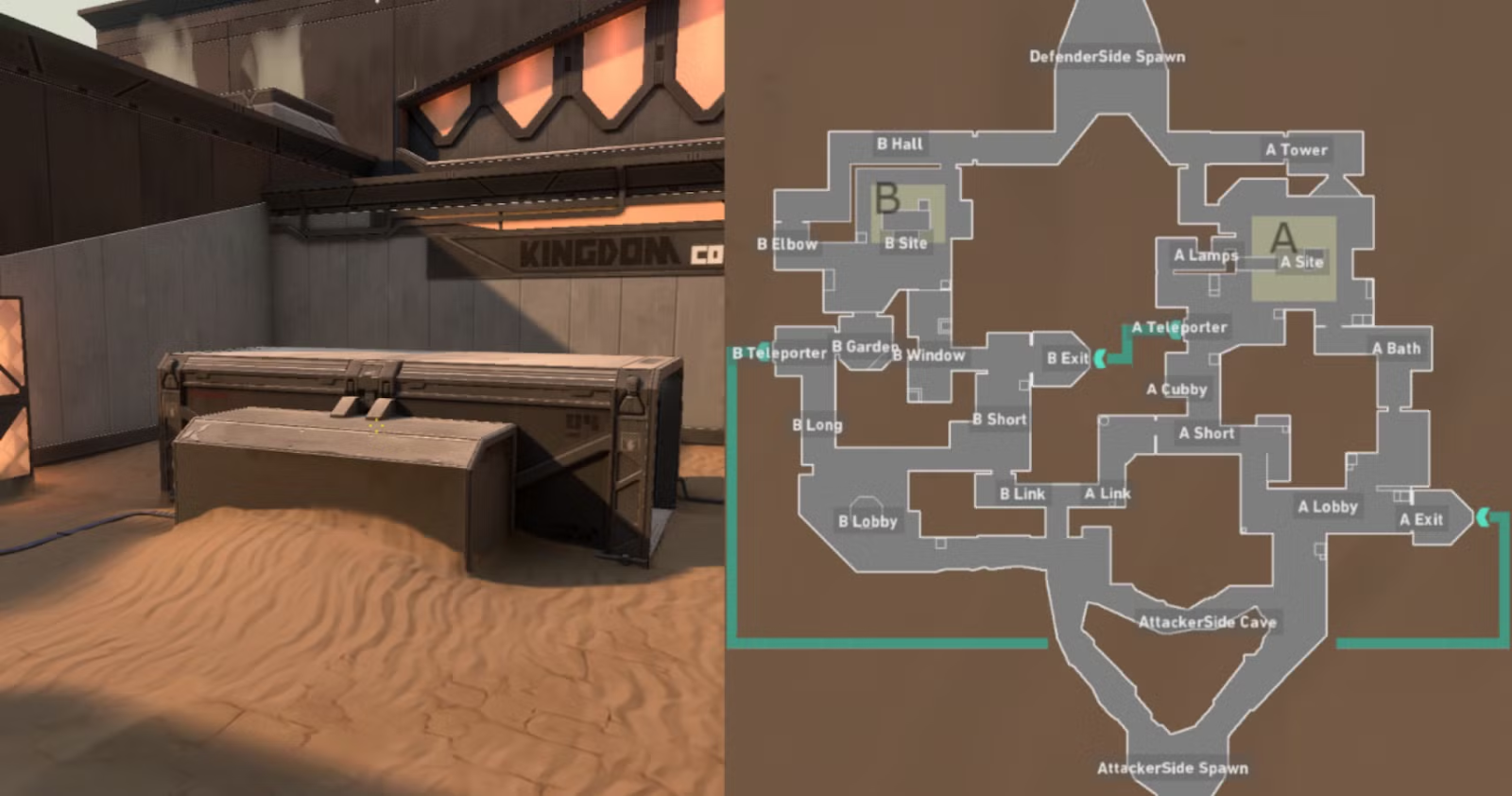
The minimap sits quietly in the corner of your screen, often ignored by players obsessing over crosshair placement and spray patterns. Yet this small, seemingly simple tool contains more information than any other element in Valorant. Whether you’re grinding on your main or testing different playstyles when exploring valorant accounts for sale to practice new roles, mastering the minimap is the fastest way to develop game sense that transcends mechanical skill.
Professional players glance at their minimap every 3-5 seconds. Compare that to the average Gold player who might check it once per round—if at all. This difference alone explains massive rank disparities between players with similar aim.
Reading the Minimap: Beyond the Basics
Most players understand the minimap shows teammate positions. Fewer realize it’s a real-time intelligence feed that reveals enemy positions, rotation timings, and tactical opportunities.
When a teammate dies, their death marker appears on the minimap with a red X. This isn’t just sad news—it’s actionable intelligence. The enemy who killed them is at that exact location. You now know where at least one opponent is positioned, information worth gold in a tactical shooter.
But the intelligence goes deeper. If your teammate on A site dies, and nobody has spotted enemies elsewhere, you can deduce the enemy team is likely committing to A. This split-second read allows you to rotate early, set up crossfires, or prepare utility to counter the push.
The Art of Map Awareness
Great minimap users develop a mental model of the entire battlefield. They’re not just tracking dots—they’re predicting movements and identifying patterns.
Watch for these advanced reads:
The Lone Wolf Indicator: If four teammates are grouped in one location and one is isolated elsewhere, that isolated player is vulnerable to flanks. Either join them or constantly check that angle.
Rotation Holes: When your team pushes one site, check the minimap for gaps in map control. If nobody is watching mid or the opposite site, expect lurkers or fast rotations. One glance at the minimap reveals these dangerous vulnerabilities.
The Bait Detection: If you see a teammate pushing aggressively into enemy territory alone, don’t blindly follow. Check if they have support, escape utility, or if they’re overextending. The minimap shows you the difference between a calculated play and a feeding teammate.
Using Audio Cues with Visual Intelligence
Valorant’s audio design works in concert with the minimap. When you hear footsteps but don’t see enemies, glance at the minimap to eliminate possibilities. If all teammates are accounted for on the map, those footsteps are definitely enemies.
The minimap also shows ability usage through visual indicators. Sova dart reveals, Cypher camera spots, and other detection abilities flash on the minimap before you might notice them in your immediate field of view. Train yourself to catch these indicators instantly—they provide precious seconds of advanced warning.
Minimap Settings for Optimal Performance
Most players never touch their minimap settings, leaving massive potential untapped. Navigate to settings and optimize these parameters:
Minimap Size: Increase it. A larger minimap is easier to read in your peripheral vision. The default size is too small for quick information processing.
Minimap Zoom: Adjust based on map size. On large maps like Breeze, zoom out for complete battlefield awareness. On tight maps like Split, zoom in for detailed positioning.
Minimap Vision Cones: Enable “Rotate” so the minimap rotates with your view. This creates intuitive spatial awareness—what’s ahead of you on screen is ahead of you on the minimap.
Keep Player Centered: This setting ensures your agent icon stays centered while the map rotates around you, improving spatial orientation during chaotic fights.
The Five-Second Rule
Implement the five-second minimap check rule: every five seconds, briefly glance at your minimap. This creates a rhythm that becomes automatic with practice.
Start in deathmatch or unrated games where stakes are lower. Force yourself to check between every engagement. Initially, this feels unnatural and might even hurt your performance. Push through. Within a week, minimap awareness becomes muscle memory, and within a month, you’ll wonder how you ever played without it.
Communicating What You See
Minimap mastery isn’t just about personal awareness—it’s about translating visual information into team communication. When you spot an opportunity or danger on the minimap, vocalize it immediately.
“Three teammates on A, one B—someone watch flank” turns minimap information into actionable team coordination. “All five showing A, let’s rotate B” transforms map awareness into winning strategies.
The best players serve as battlefield commanders, using minimap intelligence to guide their team’s decisions. This leadership quality emerges naturally once you truly master reading the minimap.
The Invisible Skill
Minimap mastery is Valorant’s most underrated skill because it’s invisible in highlight reels. Nobody clips their minimap awareness, yet it’s often the difference between a good play and a great one.
Start checking your minimap religiously today. In two weeks, you’ll notice enemies before your teammates do. In a month, you’ll predict rotations before they happen. In two months, your game sense will rival players two ranks above you—all from paying attention to that little corner of your screen.