




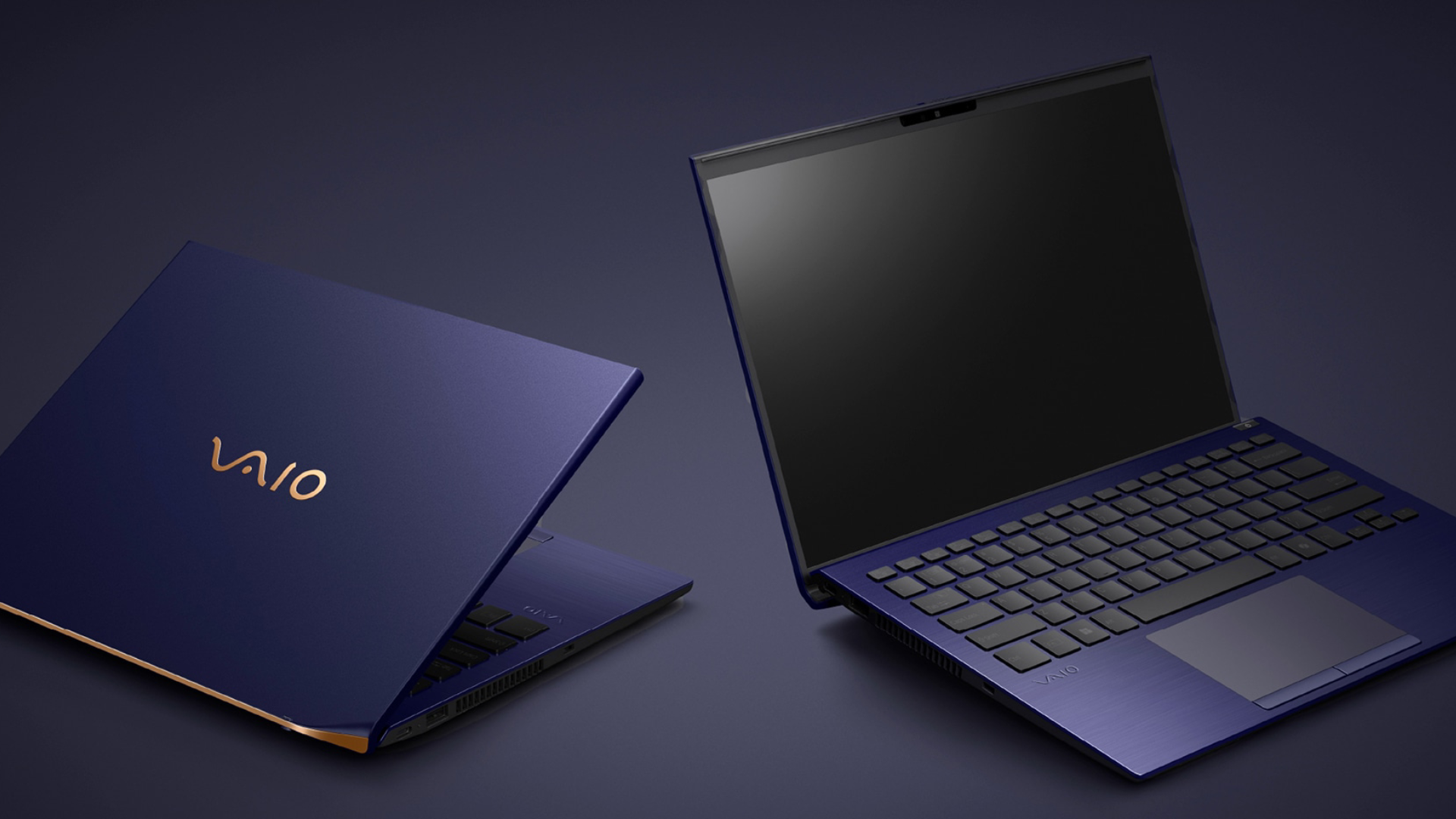
For many laptop enthusiasts, VAIO still evokes memories of sleek, stylish laptops from the early 2000s, machines that stood out as symbols of premium design and creative potential.
Yet, over the past decade, VAIO has quietly transformed from one of Sony’s flagship PC lines into a small, niche player under a completely different ownership structure.
VAIO began life in 1996 as Sony’s attempt to marry cutting-edge PC engineering with the company’s signature flair for design. The brand quickly became associated with premium quality and premium pricing.
However, by the early 2010s, the laptop market had changed dramatically. Windows PCs from Dell, HP, Lenovo, and others became more competitive in price and performance, while tablets and smartphones stole customer base and sales.
At the same time, PlayStation gaming and Apple laptops were also seeing a lot of popularity, driven by the transition to Intel processors and the launch of the MacBook Air.
Sony doubled down on the gaming space, and its VAIO line struggled to keep pace.
In February 2014, Sony announced it was selling most of its PC business to Japan Industrial Partners (JIP), a private equity firm, effectively ending Sony’s direct involvement in PCs.
The move was part of a broader strategy to focus on higher-growth areas like gaming with the PlayStation, cameras, and mobile imaging. Sony retained only a small minority stake and the intellectual property rights to the VAIO brand.
Under JIP’s ownership, VAIO Corporation continued to exist as an independent PC maker headquartered in Nagano, Japan. The company kept alive the VAIO identity but shifted its focus.
Instead of trying to compete head-to-head with mainstream PC makers, it leaned into premium, high-performance niche computers, a strategy that emphasized quality and craftsmanship rather than mass market share.
This strategy meant lower global presence than during its Sony heyday. VAIO laptops became harder to find outside limited markets, and sales volumes remained modest compared to larger brands. But for loyal fans and certain professional users, the brand maintained a quiet, almost cult-like reputation.
Fast forward to late 2024 and early 2025, and VAIO is once again in the spotlight, not for cutting-edge new products, but for ownership changes.
Japan’s consumer electronics retail giant Nojima Corporation agreed to purchase approximately 93% of VAIO Corporation from JIP in a deal valued at about ¥11.2 billion (roughly $68 million).
The transaction was finalized in early January 2025, making VAIO a subsidiary of the retail group. While Nojima hasn’t announced drastic changes to VAIO’s product line or leadership, the acquisition signals an attempt to revitalize the brand and leverage Nojima’s extensive retail reach.
What Now For VAIO?
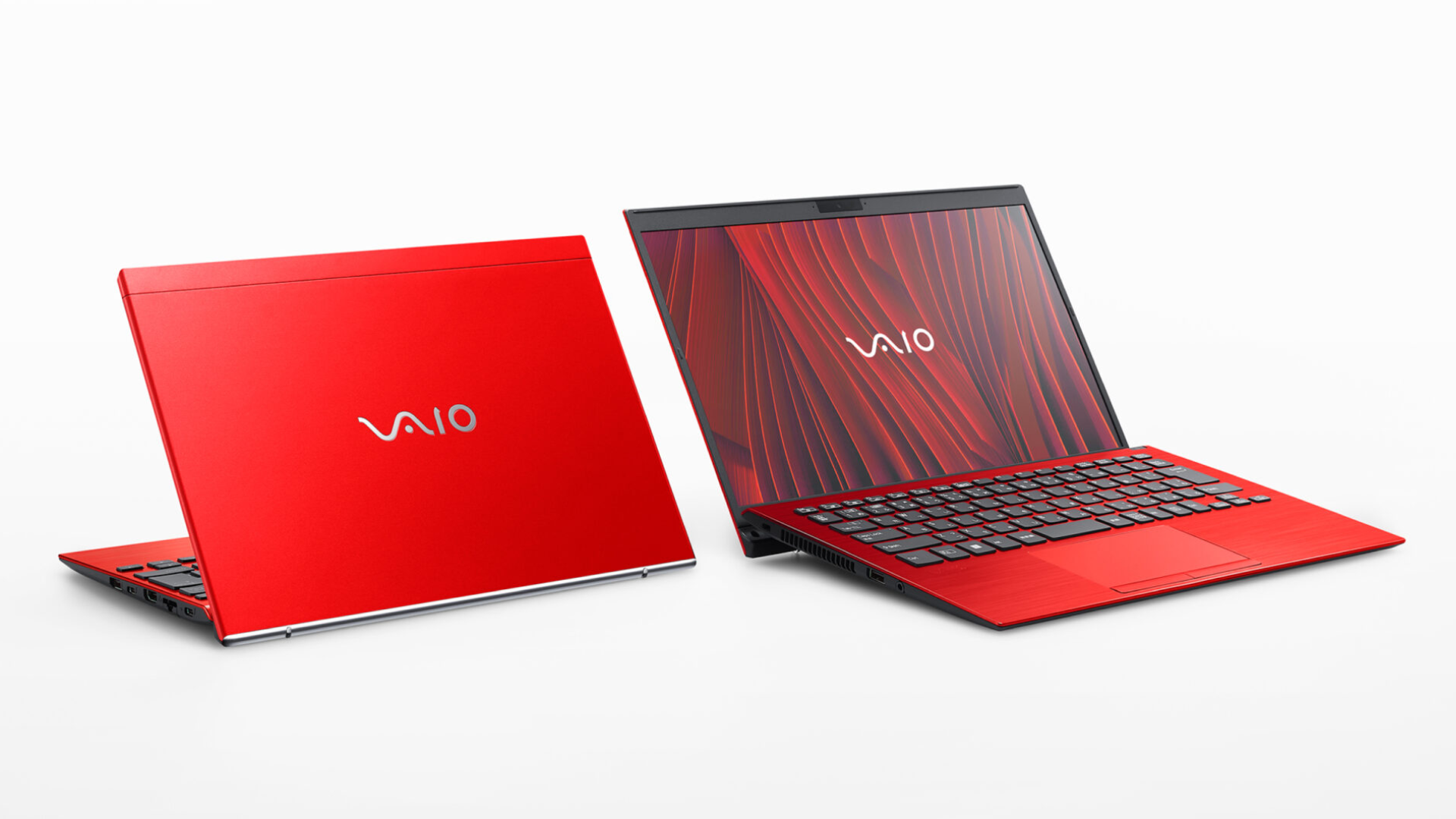
The company still designs and sells laptops, especially premium models like the SX and A series, and Sony still holds a minority stake and the rights to the iconic name.
Nojima’s retail footprint might help VAIO products reach more customers in Japan and possibly abroad. This could revive awareness and sales without changing what VAIO is known for, which is craftsmanship over volume.
However, in a world dominated by giants like Apple, Dell, and Lenovo and increasingly by AI-focused hardware, VAIO’s niche strategy can only go so far unless it finds a novel technological edge.
Many remember VAIO from its Sony days and will likely be surprised to learn it still exists, despite its global presence fading. The Nojima acquisition has now rekindled that conversation, and many will certainly be wondering whether VAIO can ever regain its former stature.
We’ll leave that for you to decide.