




When markets get shaky, everyone pays attention. These days, more and more tech-savvy traders are turning to commodities like gold and oil, and thanks to online platforms, they can make moves faster than ever.
There’s a pattern to uncertainty. When stocks slip, inflation picks up or the news is all about global tensions, people scramble for solid ground. Lately, that safety net is commodities, and what’s really new here is how easy they are to access.
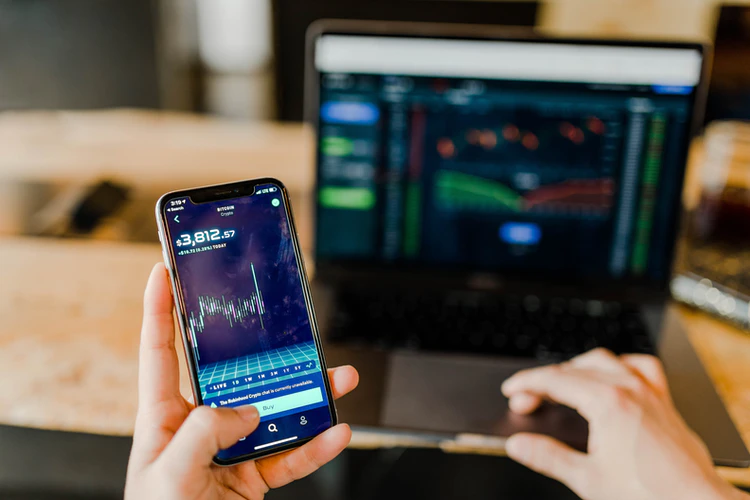
Online commodity trading has quietly shifted from a niche hobby to a mainstream strategy. Especially for tech lovers, it’s quick, transparent and puts them in control. Forget dialing up a broker or navigating labyrinthine systems. It’s as simple as opening an app, live-charting and making trades in seconds. So, why does interest soar right when markets feel the most unsteady?
What is online commodity trading, really?
At its core, commodity trading means buying and selling raw materials: Gold, crude oil, natural gas, silver and wheat. These are the backbone of global economics, and their prices change constantly based on supply, demand and big-picture trends.
Add the online layer, and it’s all about direct access. Traders skip traditional middlemen, diving straight into global markets through digital platforms. These sites offer live prices, technical tools, automated strategies and even AI-powered insights.
For tech folks, this gets really interesting. It’s more than commodity trading online, it’s engaging with a world of data where decisions come from analytics, not wild guesses.
Why uncertainty drives people toward commodities
Commodities have a reputation for stability
Gold is the gold standard, literally. When inflation jumps or currencies sag, gold typically holds its value, just like it always has. Oil’s more volatile but is directly tied to global demand, making it a key signal of economic health.
In shaky times, investors usually pull cash from risky assets like tech stocks and move it into commodities. Sometimes, it’s about protecting what’s already there rather than hunting for jackpot gains.
Diversification becomes a priority
When everything feels unpredictable, parking all your money in one place seems reckless. Commodities help spread the risk.
Savvy traders know this. They’re comfortable mixing crypto, stocks and now commodities. Dropping gold or oil into the portfolio can smooth out the ups and downs elsewhere.
Real-world demand still exists
Unlike some speculative financial tools, commodities have real-world uses. Oil keeps cars moving. Metals power manufacturing. Grains feed the planet.
Even when markets are wild, people still need energy and food. That base-level demand brings a measure of stability that attracts cautious investors.
The role of technology in the surge
From Wall Street to your smartphone
Online commodity trading is growing because it’s accessible. What used to take specialized know-how or institutional connections is now open to anyone with a phone.
Today’s trading platforms focus on user experience. Clean designs, custom dashboards and real-time alerts, they make it simple to track what’s happening.
For developers and data fans, some platforms even offer APIs, so building custom trading tools or bringing market data into personal projects is well within reach.
Speed matters more than ever
In choppy markets, timing is critical. Prices swing in minutes. Online platforms handle that reality with lightning-fast execution.
Infrastructure matters, too. Low-latency systems, cloud tech and strong security, all ensuring trades happen fast and safe.
Now, commodity trading online isn’t just easy, it’s a real advantage. Some platforms go global, offering brokerage in commodities like gold and oil, along with instant withdrawals, blazing-fast deals and high-security environments. For a generation hooked on speed, that’s tough to ignore.
Behavioral shifts in a digital-first generation
Younger traders think differently
Millennials and Gen Z approach the market with fresh eyes. They’re tech-handy, up for new asset classes and lean heavily on data.
When things get dicey, they don’t panic, they analyze. They look for patterns and check out alternatives. Commodities, with their history and real-world connections, fit right in.
Information is everywhere
Another big driver? Nonstop information flow. Social sites, blogs and trading groups, they’re always buzzing about market trends.
When gold prices spike or oil supplies run thin, the news blasts out instantly. That buzz pulls more people into the action and into the market.
Risks still exist, and they are worth understanding
Commodities aren’t risk-free. Oil prices can plummet if there’s too much supply. Agricultural products get slammed by bad weather. Gold can drop out of nowhere, too.
What’s changed is how people manage risks. Online platforms give tools; stop-loss orders, risk dashboards and portfolio trackers, that make all the difference for savvy traders.
There’s a psychological angle, too. Easy access means it’s tempting to overtrade. Just because you can trade instantly doesn’t mean you should.
Why this trend isn’t going away anytime soon
Global uncertainty isn’t slowing down
Uncertainty is basically the new norm: Inflation worries, geopolitical stuff and even tech evolution, all fueling wild markets.
As long as that continues, commodities aren’t losing their appeal.
Technology keeps lowering barriers
Trading platforms keep evolving. Expect more automation, sharper analytics and better hooks into other financial tools.
AI-powered trading is already picking up. Blend that with commodity markets, and you get a powerful duo.
Trust in digital platforms is growing
Security used to be a big worry. Now, with encryption, multifactor logins and regulators watching, trust is way up.
That trust matters. Without it, none of this would happen.