




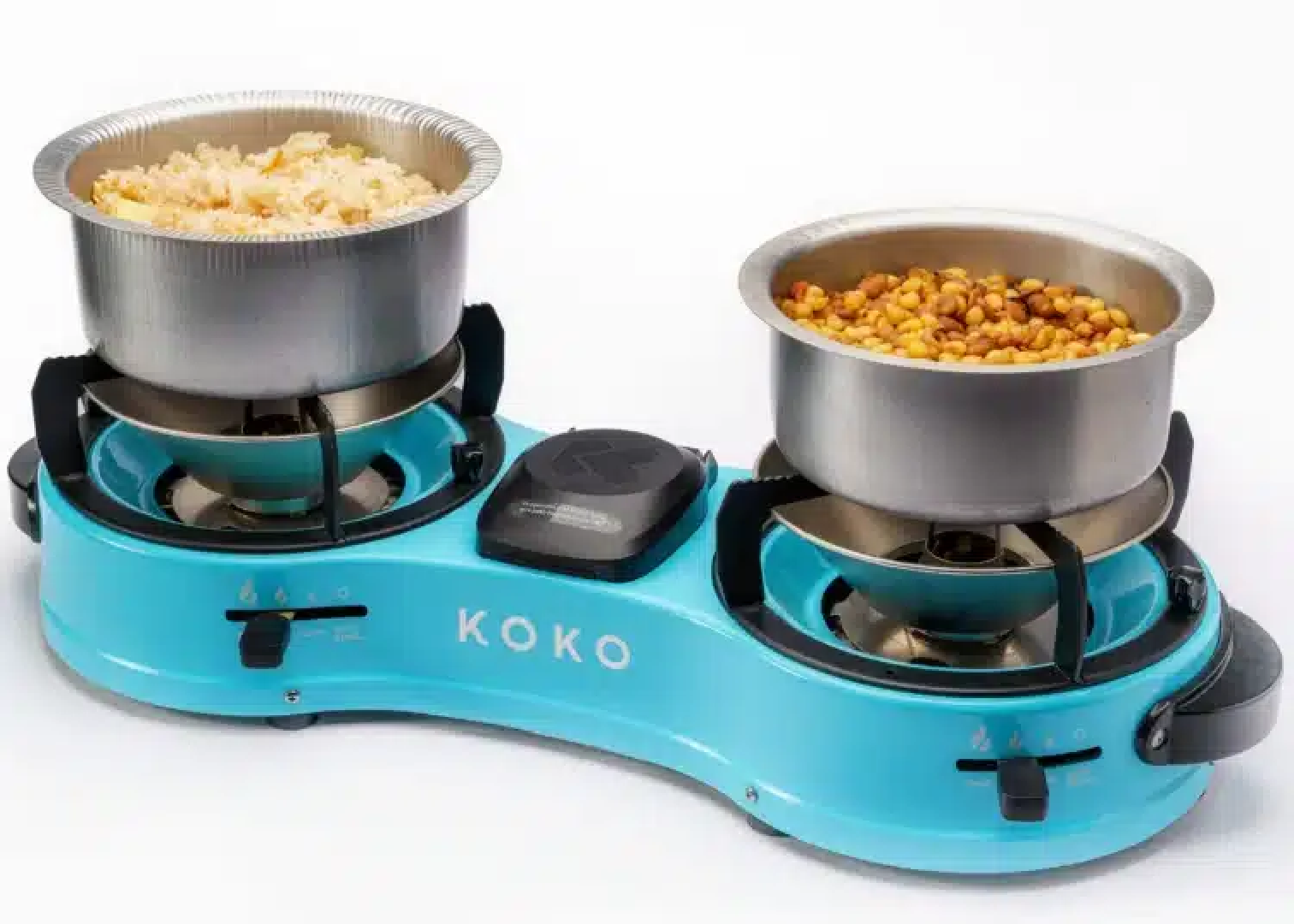
KOKO Networks is now formally shopping around the technology that once fueled 1.5 million Kenyan kitchens.
A public notice filed by PricewaterhouseCoopers (PwC), acting as administrator and liquidator for the collapsed clean cooking company, has opened a Request for Expressions of Interest covering the sale of KOKO’s integrated ethanol cooking technology and manufacturing platform.
The process marks the first concrete step toward finding a buyer since the company ran out of cash in January and laid off its entire 700-person workforce across Kenya, Rwanda, India, the UK, and Mauritius.
Three entities are named in the notice, all part of KOKO’s wind-down. KOKO Networks Limited is under Rajeev Basgeet, the appointed administrator, working out of PwC’s office in Mauritius.
ts two Indian arms, Saarus Innovations Private Limited and KOKO Networks Private Limited, are going through voluntary liquidation instead, both handled by liquidator Nidhi Poddar with support from PwC’s corporate business services team in India.
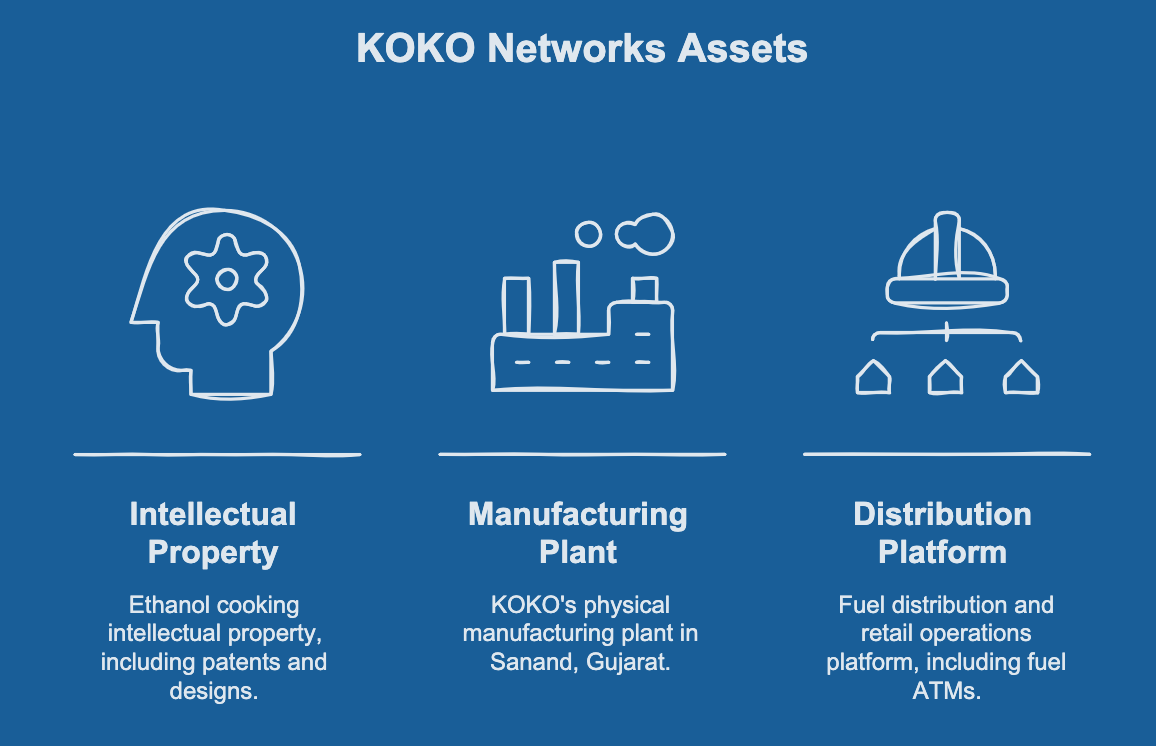
The assets for sale fall into three categories. The first is KOKO’s ethanol cooking intellectual property, including the patents and designs behind its stoves, canisters, and the software that supports them.
The second is KOKO’s manufacturing plant in Sanand, Gujarat, where the stoves and canisters were made. The third is its fuel distribution and retail platform, including the network of fuel ATMs and logistics used to deliver bioethanol to homes across Kenya.
The bar for entry is high, with PwC targeting corporate and institutional participants who can demonstrate the financial capacity to conclude a transaction exceeding $15 million.
The sale follows KOKO’s collapse after the Kenyan government declined to issue the Letter of Authorization the company needed to sell its carbon credits into compliance markets like CORSIA, a dispute compounded by allegations that KOKO’s credits were significantly overstated.
Proceeds from whatever this sale eventually raises will flow first to secured creditors, among them FirstRand Bank, the AfricaGoGreen Fund, and the Mirova Gigaton Fund, before staff owed salary arrears see anything under Kenyan insolvency rules.
Whoever ends up buying the platform inherits an operational track record but also the underlying problem that broke it: a business model built on carbon credit economics that a home government wasn’t willing to unlock.
Anyone interested has to submit a formal request for the Invitation for Expression of Interest, addressed to both [email protected] and [email protected], no later than 5:00 PM UK time on Friday, July 17, 2026.