




The Communications Authority (CA) has drafted rules that would turn an old, informal practice into a strict, documented process: reclaiming mobile numbers nobody is using anymore.
The proposal, open for public comment until September 11, 2026, aims to solve two problems at once. Kenya has a finite pool of mobile numbers, and a dormant SIM still tied to someone’s bank account, WhatsApp, or email recovery is a fraud risk waiting to happen.
Submissions go to [email protected], and the draft lists September 19, 2026, as its effective date, just eight days after comments close. That tight turnaround suggests the CA intends to move fast, even as some of the thornier legal questions remain unsettled.
What Counts as an Inactive Mobile Number
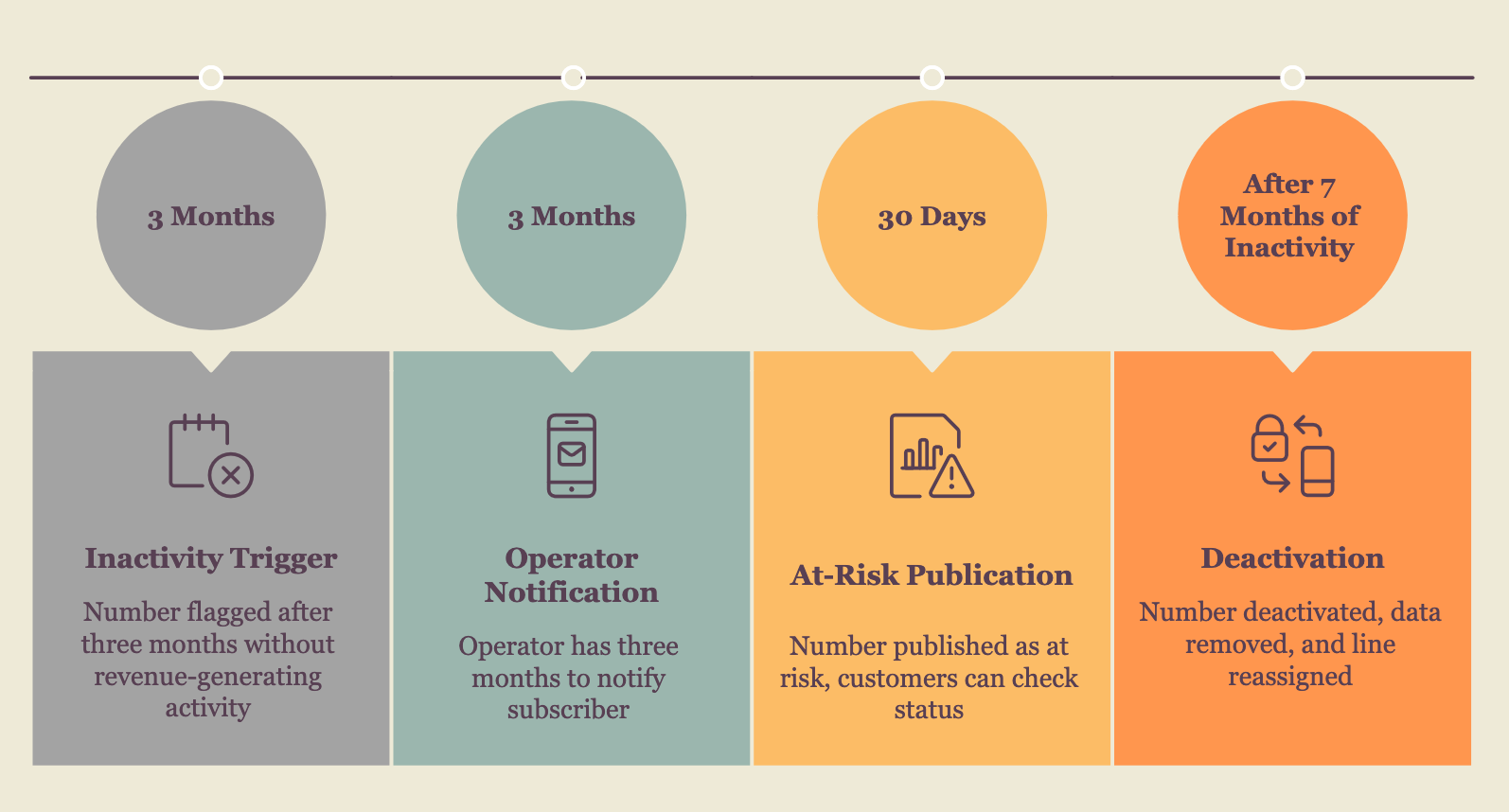
A mobile number would be flagged after three months without a “revenue-generating activity,” a term that covers calls, texts, data use, airtime top-ups, or value-added services.
Passive uses, like a mobile number that only receives one-time passwords or sits quietly on a WhatsApp account, would not count.
Once flagged, the operator gets another three months to notify the subscriber, using whatever contact details it collected at registration. 30 days before that window closes, the number gets published as at risk, and customers can check their status by dialing *106#.
If nobody reactivates it, the telco can deactivate the line, strip it of the former owner’s data, service links, and marketing permissions, then report it into a central system before handing it to a new customer.
The Build-Out Telcos Are Staring At
The proposal is not a policy memo operators can bolt onto existing systems.
Telcos will need to build an inactivity engine that tracks the right activity events across prepaid, postpaid, and enterprise accounts, run a notification pipeline with proof of delivery, and stand up the *106# status service so its labels actually match reality.
The harder task will be disentangling a phone number from every account it touches, since a number often works as a login, a recovery channel, or a mobile money identifier well beyond the telecom network itself.
Where Users and Businesses Should Pay Attention
For ordinary subscribers, the safest move is simple.
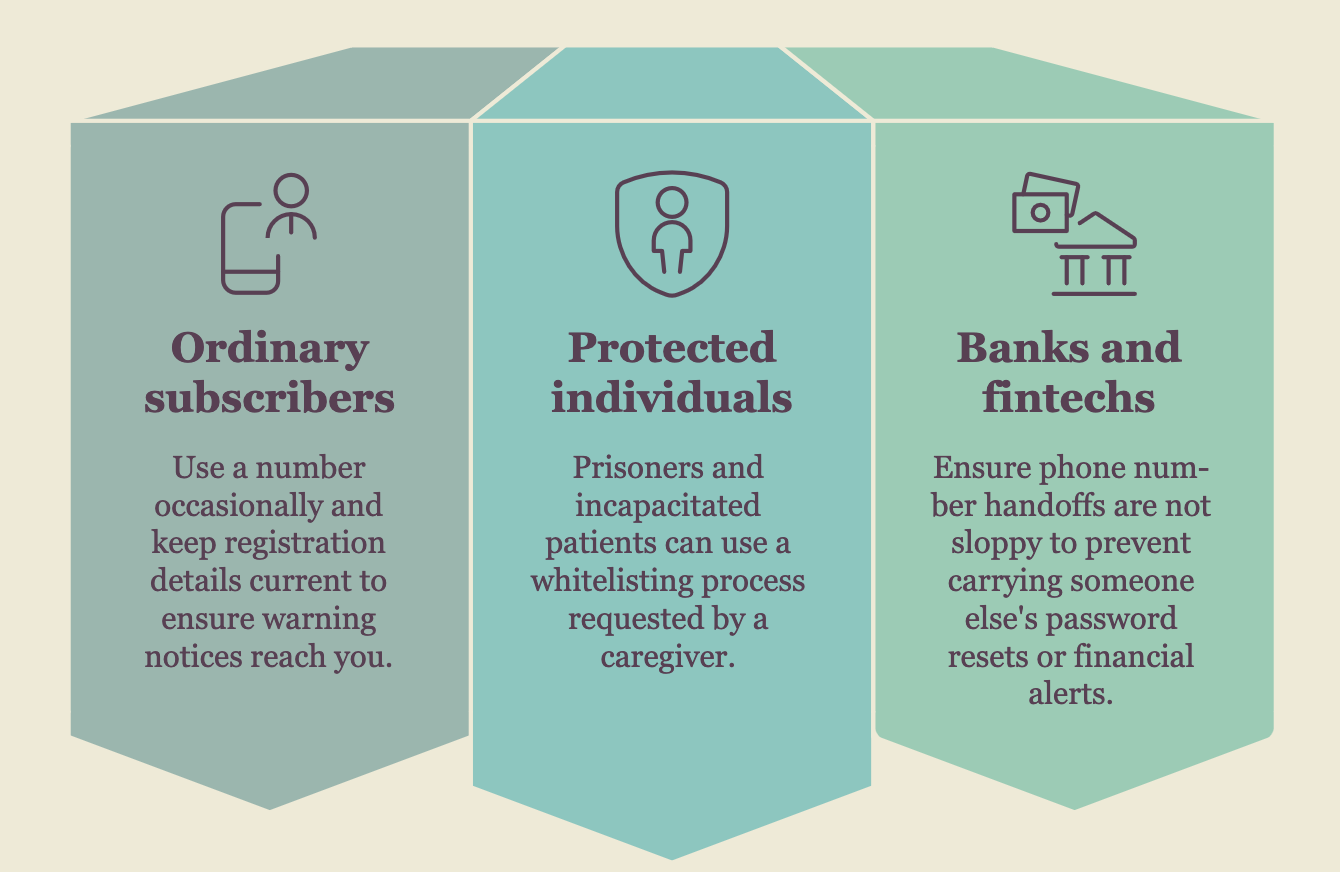
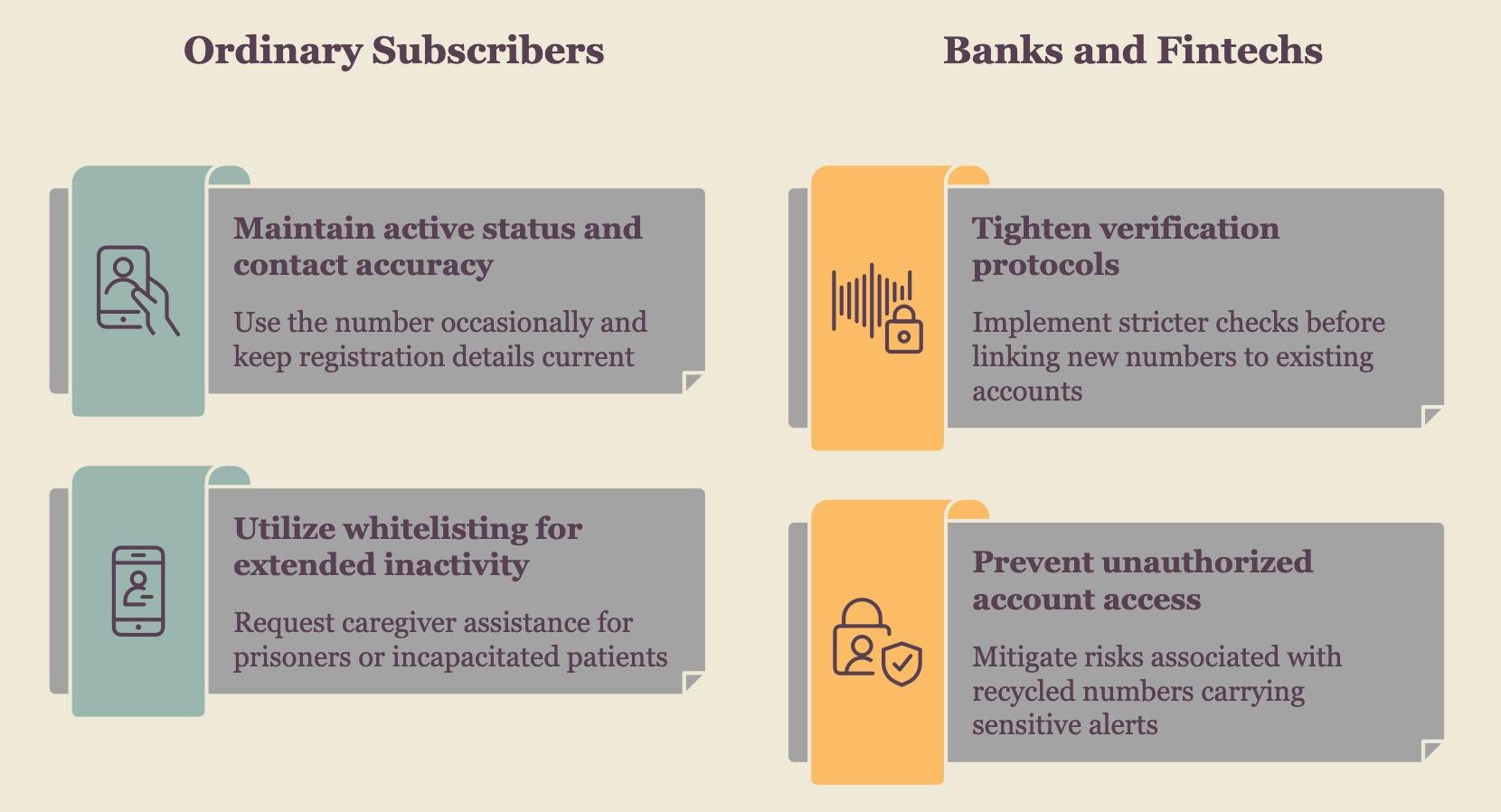
The safest move is to use your number every so often, whether that’s sending a text, making a call, or topping up airtime, and to keep your registration details current, so a warning notice actually finds you if the line goes quiet.
The draft also carves out protection for people who genuinely cannot use a line for six months, including prisoners and incapacitated patients, through a whitelisting process that a caregiver can request on their behalf.
Banks and fintechs have their own homework. A recycled number can end up carrying someone else’s password resets or financial alerts if the handoff is sloppy, so institutions relying on phone numbers for authentication should tighten verification before letting a new number take over an old account.
The unresolved piece is consent. A High Court ruling earlier this year held that recycling a number without the original owner’s agreement violates privacy rights, yet the draft leans on notice and a failed reactivation window rather than spelling out how consent gets obtained.
Kenyans with an interest in how this plays out should get their comments in before the window shuts.