





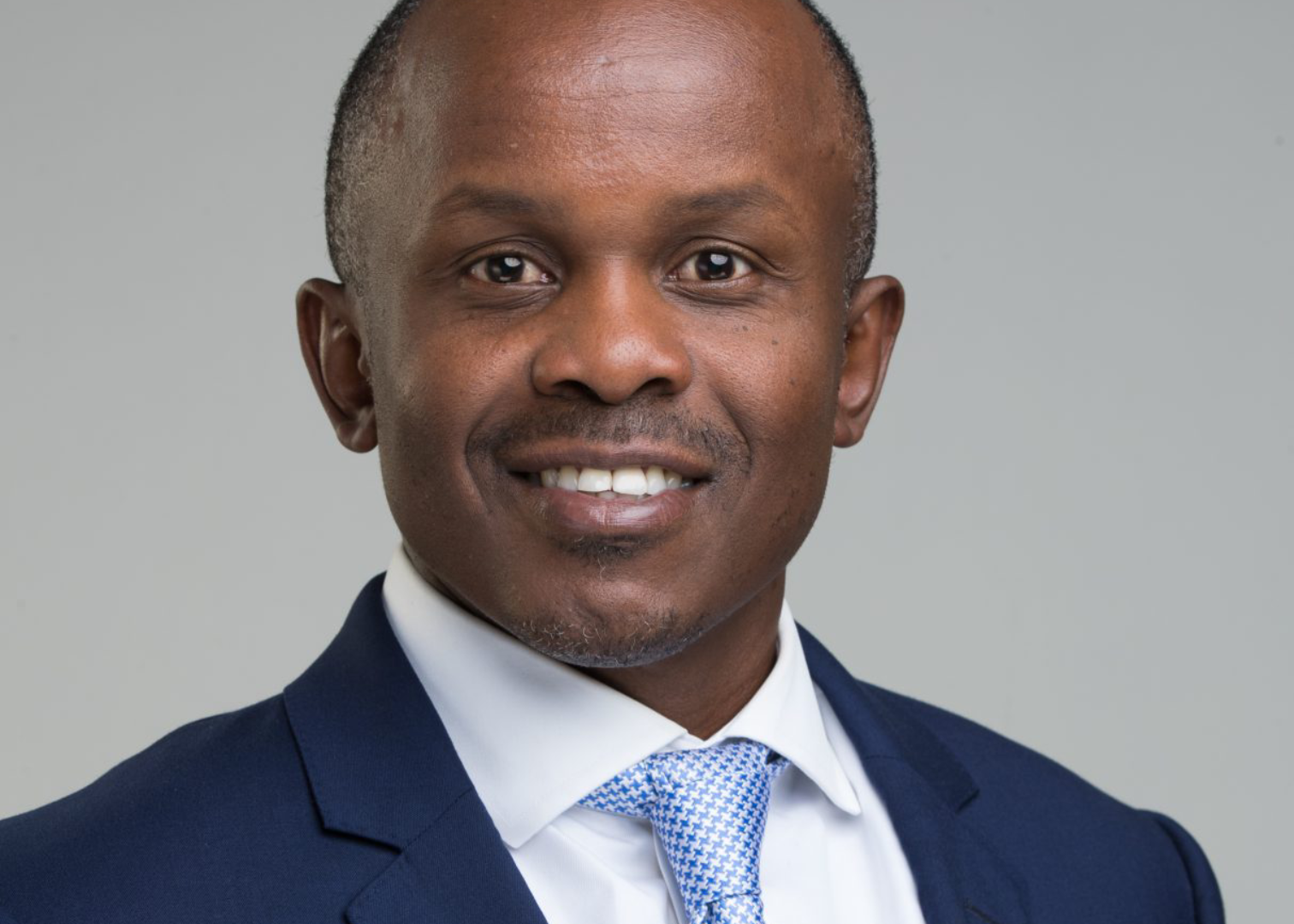
James Mworia, the man who has run Centum Investment for nearly two decades, has a new job.
Starting September 7, 2026, he is the founding CEO of Kenya’s National Infrastructure Fund (NIF), a new state-backed institution meant to pull in private money for big infrastructure projects instead of relying so heavily on government borrowing.
The NIF Board picked him after a competitive hiring process. The timing is a bit unusual because Mworia only joined the NIF Board as an independent director in July, alongside five other members. Two months later, he’s moved from watching over the fund to actually running it.
What the Fund Is Supposed to Do?
The National Infrastructure Fund was set up under a 2026 law with the aim of finding ways to finance big projects like roads, railways, power plants, and water systems without piling more debt onto the government’s books.
It will focus on six sectors: transport, logistics, energy, ICT, water, and agriculture. Some of the projects expected to benefit include the expansion of Jomo Kenyatta International Airport, extending the Standard Gauge Railway to Malaba, building new dual carriageways, and clean energy investments.
The way it’s supposed to work is fairly simple in concept. The fund takes infrastructure needs, turns them into projects that are actually attractive to investors, and brings in money from pension funds, banks, development finance institutions, and other investors.
Once a project is up and running successfully, ownership gets handed over to long-term investors or the capital markets, and the fund recycles that capital into the next project. It’s a model built around reusing money rather than spending it once and starting from scratch every time.
Building an Institution From Nothing
Mworia’s job right now isn’t really about running a fund yet. It’s about building one. He has to hire staff, set up operational systems, and put together the investment and risk management frameworks the fund will need to actually function.
On top of that, he has to find real infrastructure projects and shape them into something investors will actually want to put money into.
Who Is James Mworia?
Mworia’s own story is one of the more remarkable ones in Kenyan corporate history. Born in 1978, he went to Alliance High School and later studied law at the University of Nairobi.
Despite having a law degree, he started his career at Centum Investment Company in 2001 as a filing clerk, an entry-level job organizing paperwork.
He didn’t stay there long. By 2005 he was Centum’s Chief Investment Officer. In 2006 he moved to TransCentury Investments to head their investments division.
Then in 2008, at just 30 years old, he came back to Centum as CEO, making him one of the youngest people to lead a listed company in Kenya at the time.
During his 17 years running Centum, the company’s shareholders’ funds grew roughly 11 times over, and notably, this happened without the company raising extra shareholder equity at the holding company level.
Under him, Centum expanded into real estate, banking, education, energy, and manufacturing.
Beyond Centum, he has served as Chancellor of Machakos University and sat on the boards of the Nairobi Securities Exchange, Sidian Bank, and the Central Depository and Settlement Corporation.
He holds a law degree, is an Advocate of the High Court of Kenya, a Certified Public Accountant, a Chartered Global Management Accountant, and a CFA charterholder.
Who’s Taking His Old Job?
With James Mworia gone, Centum has appointed Thomas Omondi-Achola as Acting Group CEO. Omondi-Achola has been at Centum since 2018, serving as Group Chief Operating Officer and Partner for Portfolio Operations.
Before that, he worked at Kenya Airways as Chief Transformation Officer and General Manager of Jambojet, and he also helped turn around Sidian Bank. He brings more than 25 years of experience in corporate leadership and business transformation.