




If you keep your savings in a money market fund (MMF), you are in very large company. As of June 2026, 4.14 million Kenyans held units in a collective investment scheme, and the whole industry managed KES 948.7 billion.
The Capital Markets Authority (CMA) now wants those funds, and the firms running them, to carry an independent risk rating.
The Market Behind the Proposal
When the CMA started tracking the industry in March 2018, unit trusts held KES 56.6 billion, as reported by Business Daily. Sixteen-fold growth later, there are 66 approved schemes offering 320 funds, and assets are expected to pass KES 1 trillion before the end of 2026.
The investor count has grown even faster. It stood at 171,904 in March 2021 and is now above 4.1 million.
Money market funds are the most popular product by a wide margin. They put money mainly into cash and near-cash instruments such as Treasury bills. After them come special funds, fixed income funds, balanced funds and equity funds.
The CMA attributes the growth partly to existing funds getting bigger, partly to umbrella schemes registering new funds, and partly to heavier marketing by fund managers.
That last point is the uncomfortable one.
The Problem the CMA Is Describing
Investors currently have a hard time judging what sits inside a fund. Managers publish returns and asset allocations, and the CMA requires regular disclosures, but a person with no finance training cannot easily tell whether a portfolio is sturdy or fragile.
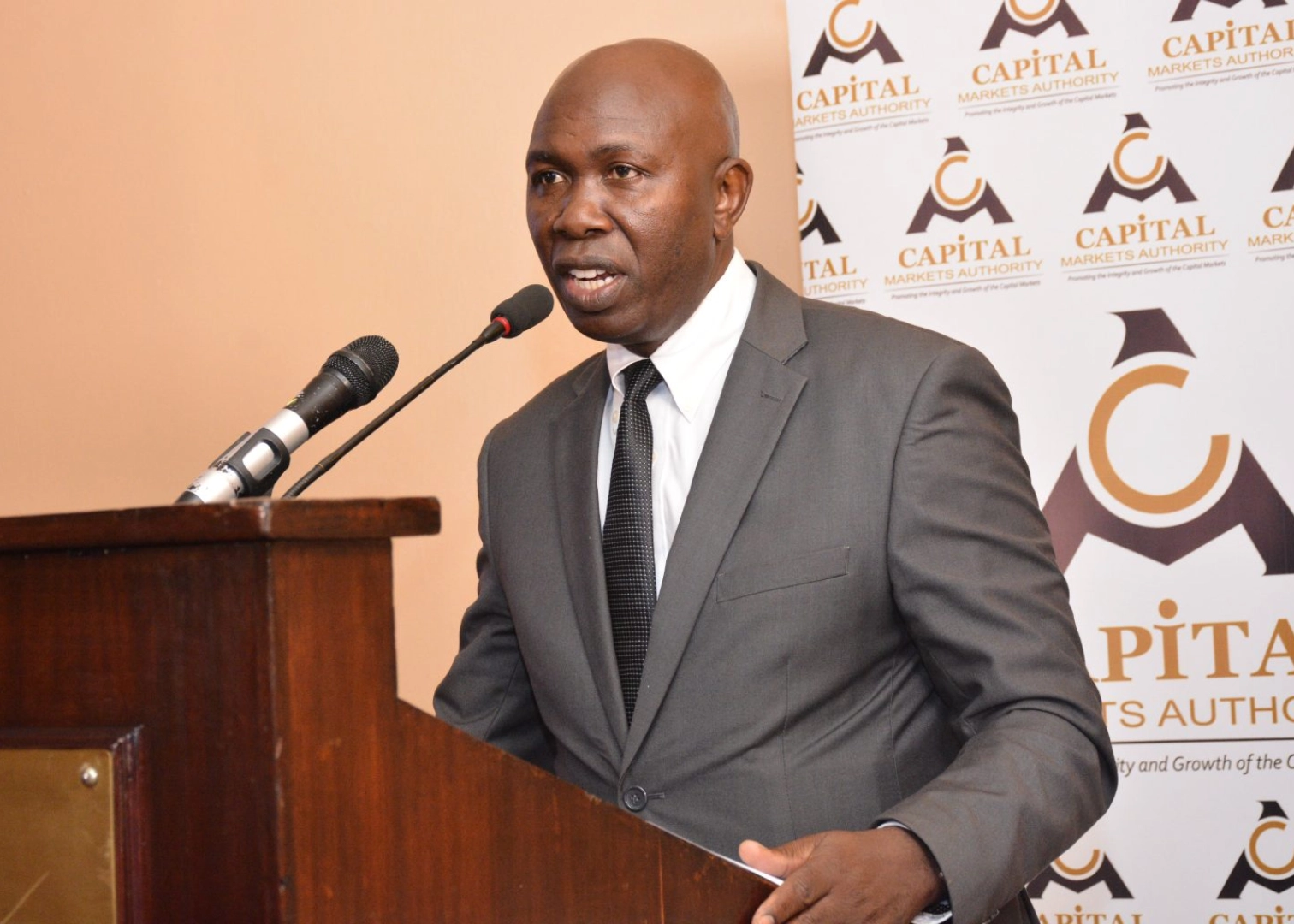
CMA chief executive Wycliffe Shamiah says the authority gets enquiries every day from investors asking whether one fund is good or another is safe.
There is also a trust issue. The CMA has cautioned some managers for marketing unrealistic returns.
Shamiah put the choice plainly: either an independent party reviews what managers disclose, or things carry on as usual and everyone keeps wondering whether the published figures are real.
READ: Safaricom Launches Ziidi Shari’ah Money Market Fund on M-PESA
What Would Actually Be Rated?
There are two separate ratings on the table, and they answer different questions.
A fund rating looks at the portfolio. Assessors would check the quality of the underlying assets, whether those are shares, offshore investments or bank deposits.
They would weigh the risk that a borrower defaults on a bond the fund holds, how much returns swing, and exposure to foreign currencies. They would also test liquidity, meaning whether the manager can sell assets fast enough to pay investors who want their cash back.
That is important because a fund can hold assets that only sell quickly at a discount.
Special funds, which focus on particular sectors, themes or asset classes, would face a tougher test. Raters would look at the cash flows coming from the assets, how liquid the fund is, and how much debt it carries, since borrowing magnifies losses when investments go wrong.
READ: New Bill Could Let M-Pesa and Airtel Money Invest Customer Funds
An investment manager rating looks at the company instead of the portfolio. It covers the firm’s systems and people, including the track record of senior management and the abilities of its staff.
Neither rating promises anything about returns. The CMA has been clear that a rating does not remove investment risk or guarantee profit.
Why Nigeria Keeps Coming Up
Shamiah named Nigeria as the model. There, every money market fund must be rated, and managers of specialized funds must hold two investment manager ratings. The aim is to protect small savers and build confidence in pooled investments.
Kenya is leaning toward the softer approach used in the United States and the European Union, where external credit ratings for unit trusts are encouraged but not required by law.
American money market funds are limited to high-quality, short-term debt and must run their own credit analysis, and some voluntarily seek ratings from agencies such as S&P, Moody’s or Fitch.
So the likely Kenyan version is voluntary. The Fund Managers Association has welcomed that. Its chief executive, Fred Mburu, says ratings would complement managers’ own due diligence rather than replace it, and that they could add credibility to the work managers already do.
What to Watch
A rating is only as useful as the information behind it, the independence of the agency issuing it, and how clearly it explains the risks. A rating paid for by the fund manager being rated carries an obvious conflict, so how the framework handles that will matter.
READ: Safaricom Launches Ziidi Money Market Fund For Investments
A voluntary system also has a built-in weakness: the funds most likely to skip ratings may be the ones investors most need to be warned about.
For now, these are proposals the CMA is working on, with no final rules announced. Until something is in place, the advice is the old one. Read the disclosures, find out what the fund actually holds, and be suspicious of any return that looks too good for the assets behind it.