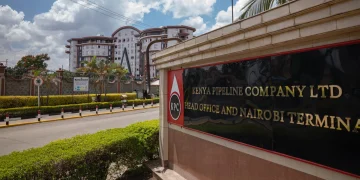




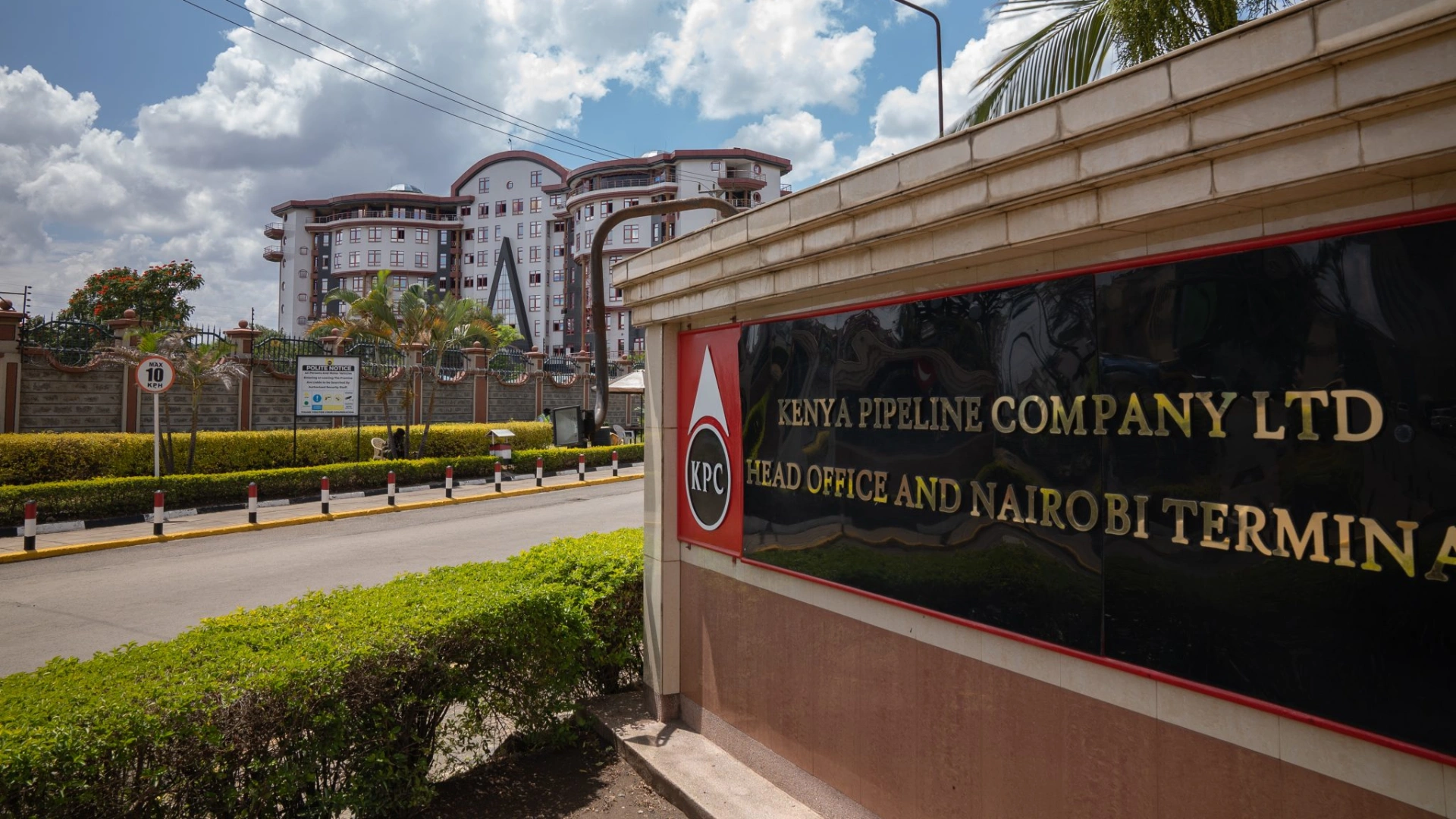
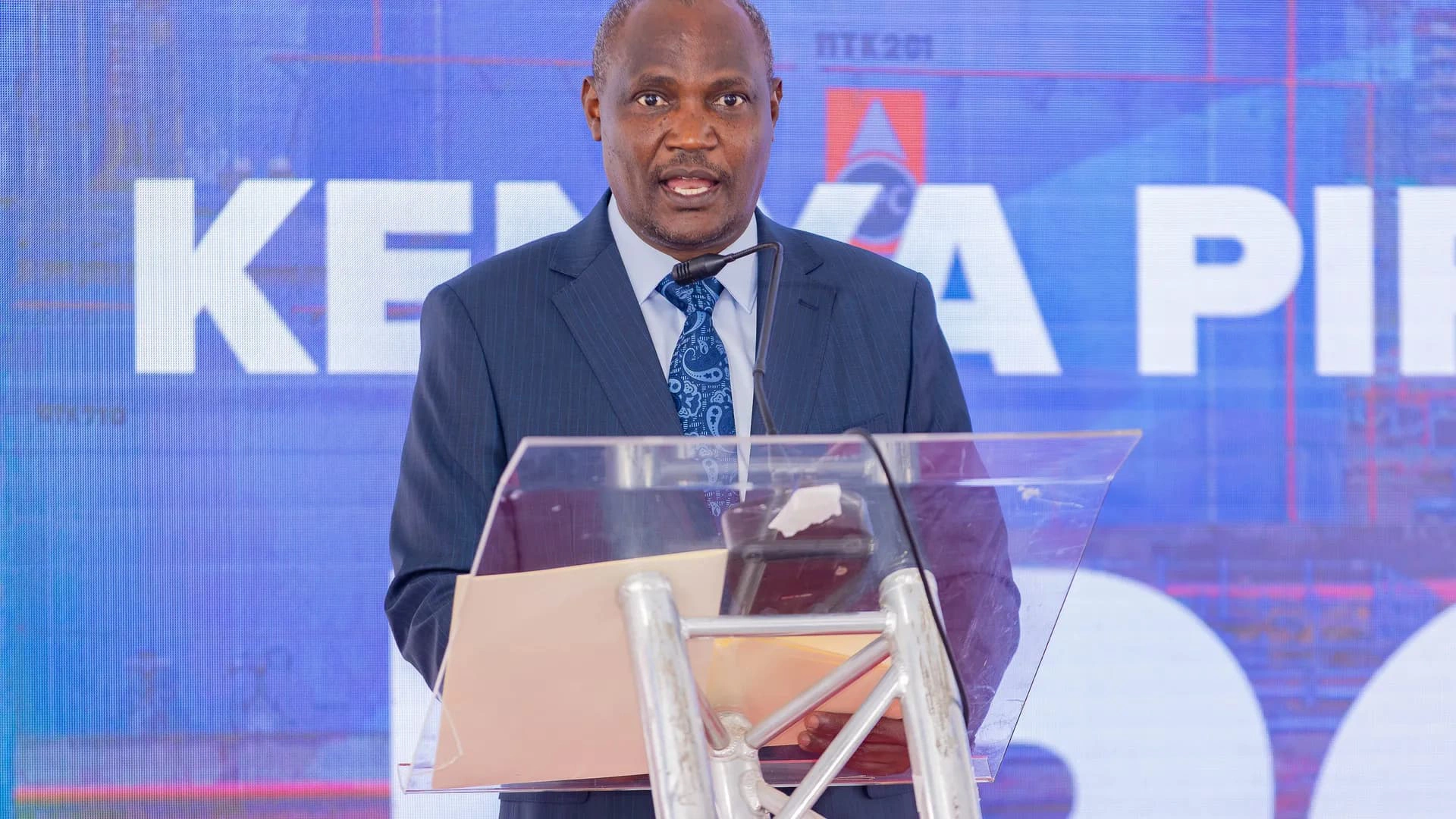
When the Kenya Pipeline Company went public in January 2026, Treasury Cabinet Secretary John Mbadi stood before the cameras at the Nairobi Securities Exchange and called it a historic moment.
This was Kenya’s first government-led IPO in 17 years, the largest such offering ever conducted in East Africa in local currency terms, and the first fully electronic IPO in Kenya’s history.
The pitch was to come and own a piece of a profitable, debt-free national asset for as little as KES 900, enough to buy the minimum requirement of 100 shares at KES 9.00 each.
However, when the dust settled on February 24, local retail investors, the everyday Kenyans the government kept invoking in its speeches, held just 2.56% of the company.
This raised the question of whether ordinary Kenyans stayed away because the price was too high or because they looked more closely and decided the investment simply was not worth making at any price.
The answer? It was a mix of both.
Overpriced, Unviable, or Both?
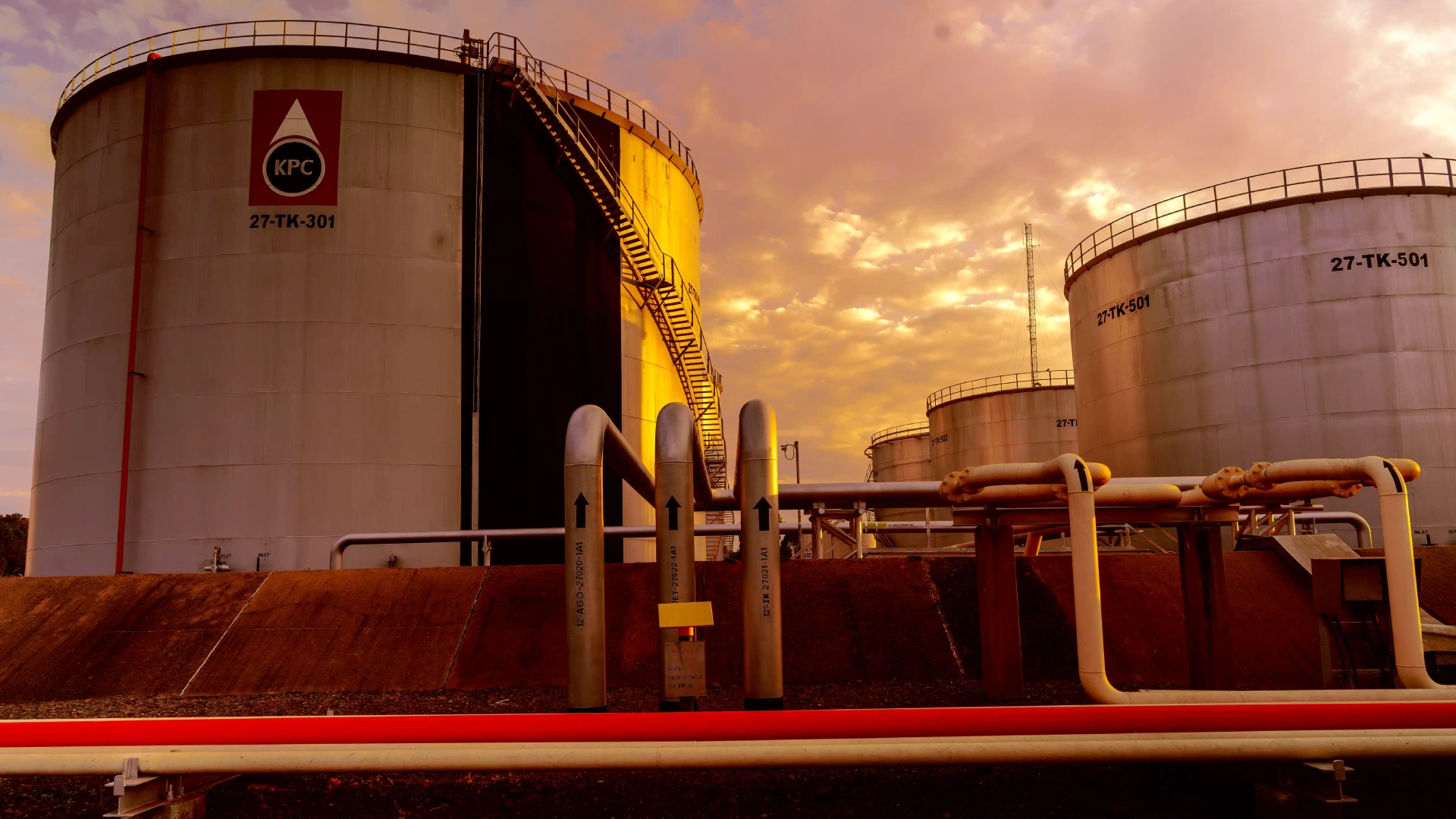
Starting with the price, the government set the offer at KES 9.00 per share, but every independent institution that reviewed the IPO came back with a lower number.
Old Mutual Uganda put fair value at KES 4.61; Sterling Capital came in at KES 4.40; Standard Investment Bank said KES 5.61, while NCBA Investment Bank, the most generous of the lot, offered KES 6.35.
The average across all four independent valuations is roughly KES 5.24, barely half the offer price. For a cautious retail investor, this alone was reason enough to walk away.
Overpricing explains only part of the story. A stock can be expensive and still attract buyers if people believe the company will grow. The deeper problem with KPC was that its business case gave investors little reason for confidence.
The company had skipped 42% of its planned maintenance spending, meaning its aging pipeline network was not being kept in good shape.
It was also facing a KES 3 billion lawsuit over environmental damage from pipeline leaks, and union strikes had brought operations to a halt in July 2025.
Even more telling, KPC’s own listing documents acknowledged that Uganda, which accounts for over 30% of the company’s revenue, is building its own refinery and developing an independent crude oil pipeline with Tanzania. If that revenue shrinks over the coming years, the investment case shrinks with it.
This is important because the complaint about overpricing and the complaint about viability lead to different conclusions. If the issue were purely price, a lower offer would have solved it.
If the issue is viability, no price adjustment would have fully convinced a skeptical investor. If the evidence suggests that both were at play, this explains why even financially literate Kenyans who could afford to invest chose not to.
In the Government’s Defense
Throughout the subscription period, CS Mbadi consistently made the case for the IPO and its pricing, citing the government’s difficult fiscal position.
Kenya’s debt repayments have reached a staggering level, consuming over 80% of every shilling collected in taxes in the first half of the 2025/26 financial year alone.
Raising taxes was off the table after the deadly 2024 youth protests, and taking on more debt would only make a bad situation worse.
Faced with those constraints, selling a mature and profitable asset to fund public infrastructure was, on its face, a reasonable thing to do.
Mbadi also pointed to KPC’s strong fundamentals. The company posted revenues of KES 38.6 billion and after-tax profits of KES 7.49 billion for the year ended June 2025.
It carries no debt on its balance sheet, having cleared a $350 million 10-year loan ahead of schedule. KPC also paid KES 10.5 billion in dividends to the Treasury in the previous 12 months.
These are the numbers of a cash-generating infrastructure business with regulated revenues and strong regional positioning.
When the results were announced on March 4, Mbadi pushed back firmly on the overpricing criticism, dismissing it as coming from unnamed individuals who were simply intent on frustrating the process.
He pointed to the 105.7% subscription rate as proof the market had spoken, noting that investors applied for more shares than were available and that Uganda had to be turned away despite wanting a larger allocation.
Critics were quick to provide the comparison Mbadi chose to willfully ignore. The Safaricom IPO in 2008, Kenya’s previous landmark listing, drew applications from nearly 5 million investors.
The KPC IPO, in comparison, attracted just over 70,000. A subscription rate of 105.7% sounds healthy until you place it next to that number.
When the Government Sells to Itself
The final ownership structure is where the critique of this IPO reaches its most uncomfortable conclusion. When you look at who actually bought the shares, local institutional investors hold 41%, the government itself retained 35%, and Uganda and Rwanda’s state-linked pension funds account for most of the 21.2% EAC allocation.
Add those three together and you account for nearly the entire deal.
The largest single investor group, the local institutional bloc at 41%, is dominated by the National Social Security Fund (NSSF). The NSSF is not an independent commercial investor making free decisions with its own capital. It is an extension of the state.
When the government sells 41% to a pension fund it controls while retaining 35% itself, it has simply moved money between its own pockets. Effectively keeping 76% of KPC while calling it a privatization.
READ: The Safaricom Sale: What’s Really Happening Behind Kenya’s Biggest Privatization Deal
The whole point of an IPO is to bring in genuine private investors who hold the company accountable and introduce real commercial discipline.
None of that happens when the biggest buyer is a government-controlled institution that may have been compelled to participate to save face.
From the outside looking in, the NSSF did not buy into KPC because it saw a great investment opportunity. The harder question is whether this was ever a worthy use of people’s pension savings. It was bought in because the government needed the numbers to work.
The National Infrastructure Fund: The Car That Was Sold Before It Was Built
The government’s central justification for the IPO was that the KES 106 billion raised would seed a new National Infrastructure Fund that would then attract private sector investment into roads, dams, energy, and health infrastructure.
CS Mbadi repeated this consistently throughout the campaign.
The problem is that when the IPO results were announced on March 4, the fund itself did not yet legally exist. The Standard reported that Mbadi had told a court under oath that the fund had not been incorporated and its name had not even been secured.
Mbadi disputed the characterization, insisting the fund’s bill was before the National Assembly and nearly concluded, but the damage to its credibility was already done.
Investors who had been told their money would flow into a defined, accountable vehicle learned that the vehicle was still being built while the money was already being collected.
For retail investors already skeptical about where their KES 9.00 per share was going, this was not a reassurance. It was a confirmation of their instinct that the promises were ahead of the planning.
What the Numbers Actually Say
The KPC IPO did what it was designed to do in its narrowest sense: it raised the money. At 105.7% subscription, it is, technically, a success.
However, success in those terms was achieved by leaning almost entirely on captive institutional capital, regional state actors, and a structurally driven allocation framework that left little room for the retail investor the government claimed to be empowering.
Compare this with the Safaricom IPO. It was priced at a level that independent assessments considered fair; the money raised stayed within the company to fund its own expansion, and the business story was one of real growth in a market that was still finding its feet.
Nearly 5 million Kenyans applied because the deal made sense to them on its own terms.
The KPC IPO, by contrast, attracted just over 70,000 applicants. To put that in perspective, even the Fahari REIT listing in 2015, which is remembered as one of the Nairobi Securities Exchange’s more notable disappointments, managed to raise KES 3.6 billion against a target of KES 12.5 billion, achieving just 28% of what it set out to collect.
Kenya led Africa in startup funding in 2025, attracting close to a billion dollars in private capital. The appetite for investment is clearly there. It is not flowing to the NSE because investors do not believe the NSE is offering them a fair deal.
The KPC IPO did nothing to change that perception and, in some ways, reinforced it.