




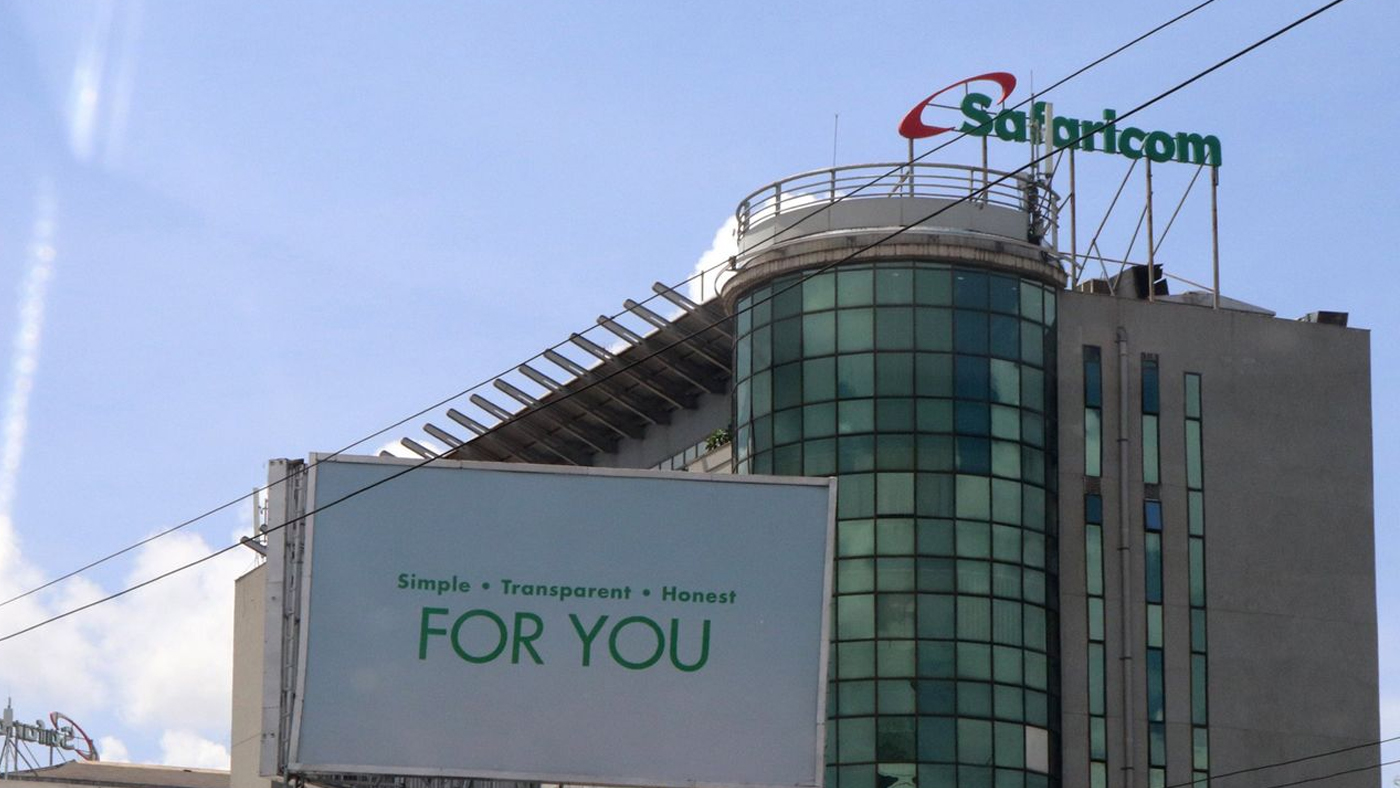
The Kenyan government is in the final stages of selling 15% of its stake in Safaricom to South Africa’s Vodacom for KES 204.3 billion, but the deal has triggered intense debate about whether taxpayers are getting a fair price and what it means for Kenya’s control over its most important telecommunications company.
The transaction would see Vodacom pay KES 34 per share for 6 billion government-owned shares. On paper, this represents a 23.6% premium over the six-month trading average.
The government would also receive an additional KES 40.2 billion as an upfront dividend payment on its remaining 20% stake, bringing the total payout to KES 244.5 billion.
Meanwhile, Vodafone Group, which owns stakes in both Safaricom and Vodacom, would sell 2 billion of its own shares to Vodacom for KES 68.1 billion.
Once completed, Vodacom would control 55% of Safaricom, up from its current 35%. The government’s stake would drop from 35% to 20%, and the free float available to public investors would remain at 25%.
READ: Kenya to Sell 15% Safaricom Stake to Vodafone for $1.57 Billion
The KES 34 price point has become the central flashpoint in this debate. While industry regulators from the Communications Authority, Capital Markets Authority, and Competition Authority have defended it as competitive and achievable only through a block sale, professional accountants and technology experts are questioning the methodology used to arrive at this figure.
The Institute of Certified Public Accountants (ICPAK) has pointed out that no publicly disclosed valuation methodology accompanied the price announcement.
Their concern centers on the reliance on historical trading data rather than Safaricom’s intrinsic value, future cash flow potential, or strategic importance to Kenya.
They note that the KES 34 price sits well below Safaricom’s all-time high of KES 44.7 in 2021, fueling perceptions that the company is being sold below its true worth.
The current market price of around KES 29.7 per share doesn’t necessarily reflect what Safaricom is worth either. With only 25% of shares freely trading on the Nairobi Securities Exchange, the remaining 75% locked up by the government, Vodacom, and Vodafone creates limited liquidity that can suppress market prices.
This is precisely why accountants argue that basing valuations primarily on recent trading history misses the bigger picture of what Kenya’s dominant telco is actually worth.
The Kenya Bankers Association has proposed a modification to the deal structure. Instead of selling all 6 billion government shares to Vodacom, they want 300.4 million shares offered to the Kenyan public while the remaining 5.7 billion go to Vodacom.
This would amount to a 0.75% stake being made available for public purchase at KES 10.2 billion. The bankers argue this would deepen capital markets and broaden ownership of what they describe as a national key asset.
Their proposal faces practical challenges, though. At the deal price of KES 34 per share, which sits above current market prices, institutional investors might find it attractive as a bulk purchase opportunity.
Retail investors, however, could simply buy shares more cheaply on the open market rather than participate in such an offering.
The deal structure itself is technically not final. Vodacom has stated that no irrevocable commitments have been made and no binding agreements exist yet with existing shareholders. However, changes to large negotiated transactions of this scale rarely happen in practice.
Beyond pricing, the transaction raises a lot of questions about national control. Several members of parliament have expressed concern about handing majority control of Kenya’s critical telecommunications infrastructure and citizen data to a foreign company.
With Vodacom holding 55%, the government’s ability to influence strategic decisions would diminish considerably from its current position as the largest shareholder.
The Technology Service Providers Association has called for safeguards, including golden share provisions or limits on foreign ownership, to protect national security and data sovereignty.
These concerns aren’t hypotheticals. Safaricom processes vast amounts of financial data through M-Pesa, handles sensitive communications, and operates infrastructure that’s essential to Kenya’s digital economy.
READ: Safaricom Upgrades M-PESA To Handle 6000 Transactions Per Second
Let’s also not forget the necessity of this sale, which has also come under question. The Institute of Certified Public Accountants has argued that divestiture of strategic national assets should only happen as a last resort after all alternative financing options have been exhausted.
The government hasn’t publicly demonstrated why this particular moment requires selling down its stake in one of its most profitable investments.
Safaricom dealers, who have collectively invested over KES 1 trillion in the distribution network and represent a value chain employing some 800,000 people, are nervous about potential restructuring.
They’re seeking explicit protections and even representation on the Safaricom board to safeguard their interests if the ownership structure changes dramatically.
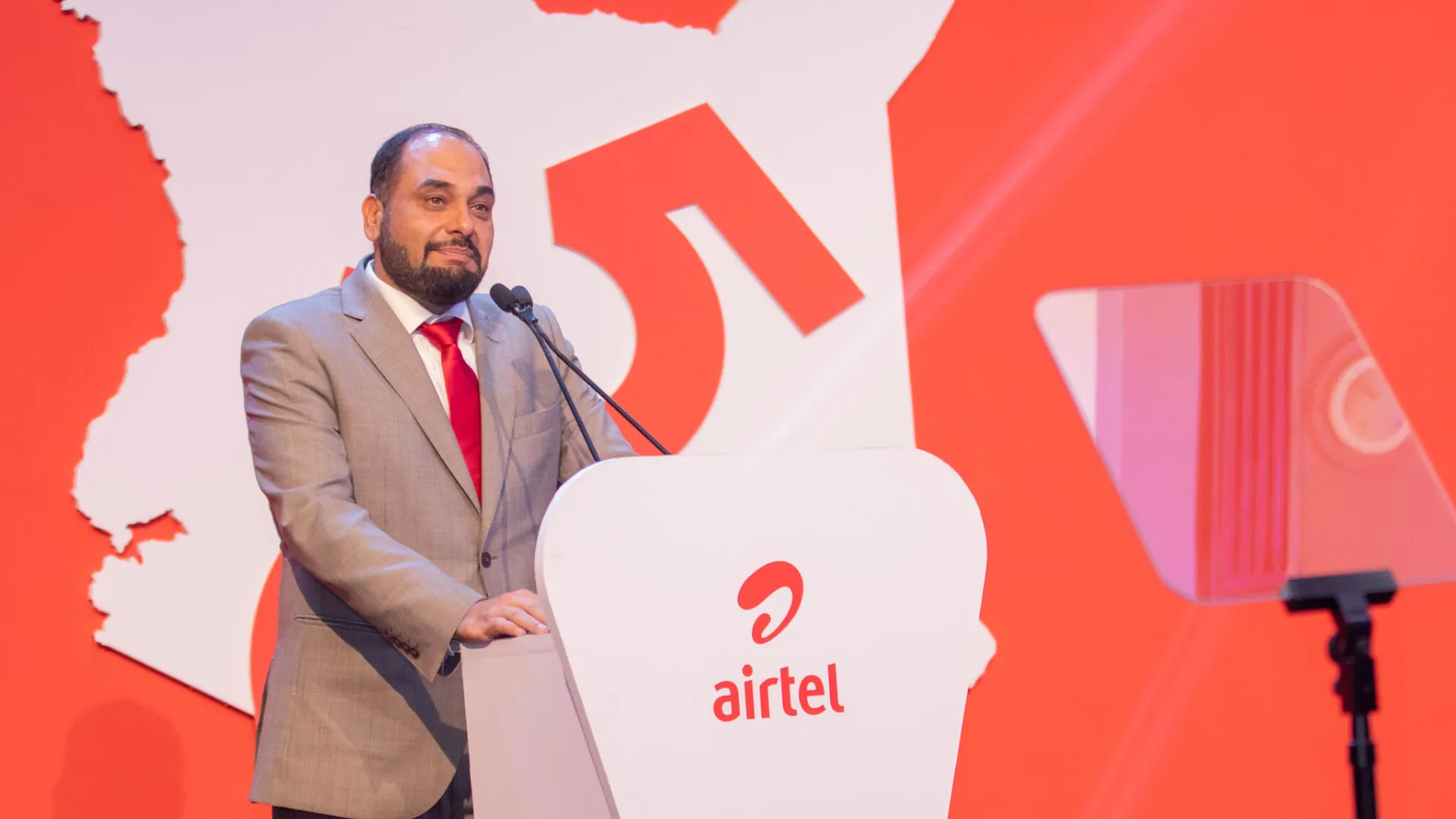
Airtel Kenya, Safaricom’s main competitor, has taken an unusually neutral stance. They don’t oppose the transaction since it represents internal ownership changes rather than new market entry, though they’ve requested continued regulatory commitment to maintaining a level playing field.
READ: Airtel Grows Faster Than Safaricom As It Hits 24 Million Users
The deal is moving forward under the new Privatization Act of 2025, which requires public consultation, Cabinet approval, and National Assembly ratification.
Parliamentary committees are currently conducting hearings, which is where much of the criticism and alternative proposals have emerged.
This is an especially complex transaction because it’s not just about money. The government gets a massive cash injection it clearly wants for budget purposes.
READ: Kenya Plans Mega Sale of Safaricom Shares to Raise Over a Billion Dollars
Vodacom gets control of one of Africa’s most successful telecommunications companies. However, Kenya potentially loses strategic control over digital infrastructure that touches nearly every aspect of its economy, from mobile money to data services.
Regulators say the price is fair and the process sound. The accountants say the valuation methodology is opaque and potentially undervalues the asset.
The bankers want more public participation. The dealers want protection for their investments. And parliament is caught weighing immediate fiscal needs against long-term strategic interests.
The final decision rests with the National Assembly. All we can do is wait and see if they will approve the deal as structured, demand modifications like the bankers have proposed, or insist on more transparent valuation before proceeding.
At the end of it all, this sale will create the template for future privatizations of state-owned enterprises in Kenya.