





The telecommunications sector in Kenya is becoming increasingly dynamic, with Airtel steadily gaining new subscribers in a market long dominated by Safaricom.
New data has shown that Airtel Kenya is registering new SIM card subscribers at a faster rate than Safaricom, with 3.01 million new users amassed during Q1 2025.
This now sees the telco surpass the 24 million mark for the first time and outpace its rival, which gathered 1.7 million new users in the same period.
According to the data released by the Communications Authority of Kenya (CA), Airtel had 24.5 million active SIM cards as of March 2025, rising from 21.5 million at the end of 2024. This translates to a 13.95% increase.
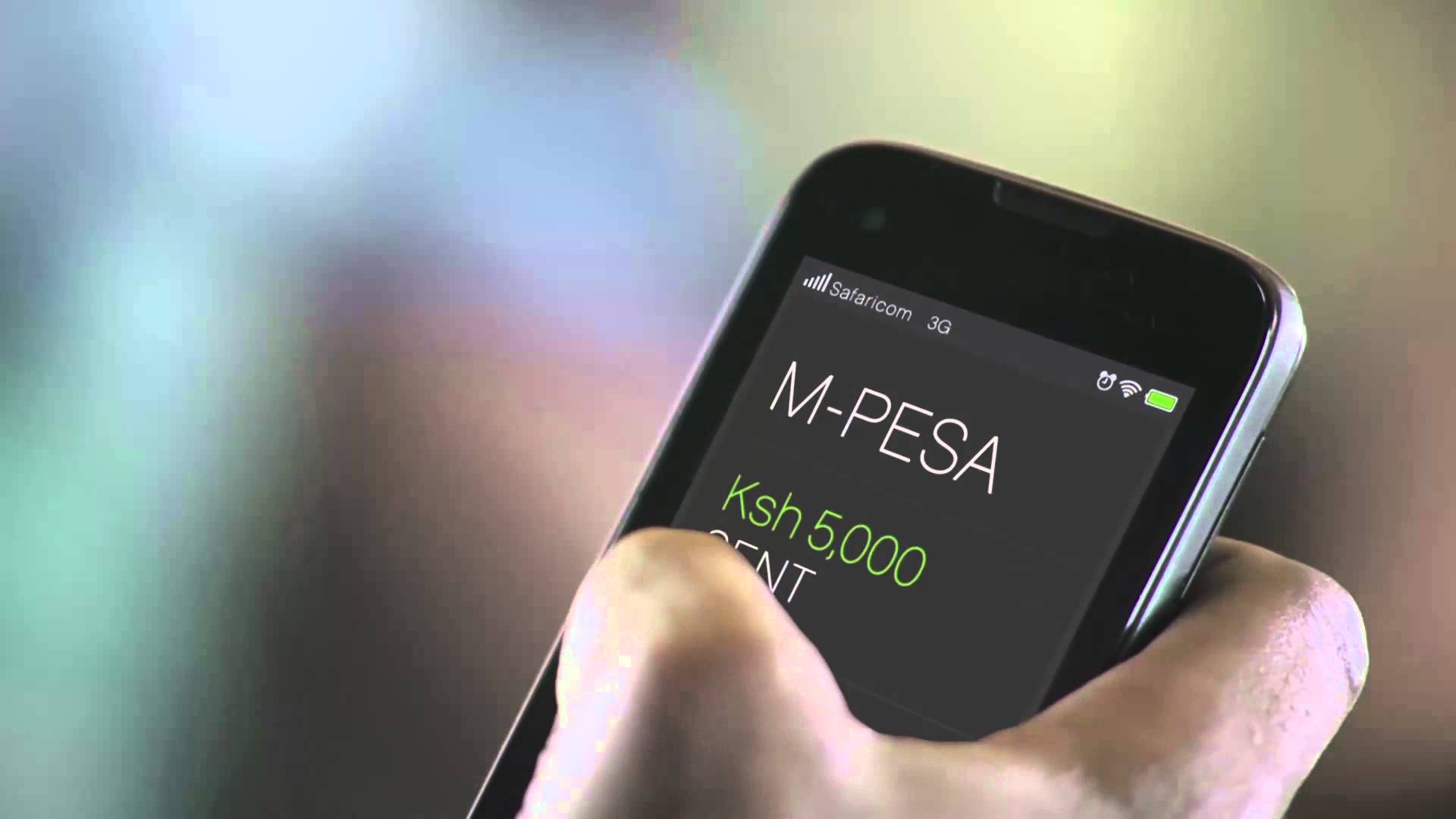
Meanwhile, Safaricom grew by 3.6% in the same timeframe, standing at 48.2 million subscribers by March this year.
As a whole, the telco industry saw a 6.7% increase in SIM subscriptions from 71.4 million to 76.2 million during the same period. The reason for these numbers crossing the country’s population is multiple subscribers being allowed to own more than one line.
Other industry players, Equitel, Telkom and Jamii Telecommunications (JTL), registered 1.5 million, 1.2 million and 700,000 subscribers, respectively, by the end of Q1 2025.
Airtel Kenya has expressed its joy at having crossed this milestone in an industry that has almost seemed like a monopoly for many years now.
“We are deeply humbled by the support of over 24 million customers who continue to believe in us. This is not the destination, it is part of a longer journey,” said Airtel Kenya Managing Director Ashish Malhotra in a statement.
“We are committed to Kenya, and whilst we have made huge investments, our mission of enriching lives and driving progress is still not done,” he added.
One of the main factors associated with this growth has been the pressure from the country’s regulator for all telcos, including Airtel, to increase coverage quality through network booster masts.
However, there is still a very long way to go before Safaricom feels any kind of real rival competition from the other telcos, thanks to its mobile money presence that’s ingrained deep into Kenya’s economy.