





X has finally turned its long-promised payments feature into a real product. On July 27, 2026, X Money went live in the United States, starting with Premium and Premium+ subscribers.
It is not just another way to send cash to someone; X is building it as a full digital bank inside a social media app, and the ambition behind it says a lot about where global tech companies think money is headed.
X Money represents a major leap from traditional peer-to-peer (P2P) payment apps, positioning X as a comprehensive “everything app,” kind of like China’s WeChat.
What X Money Does (Or Intends To Do)
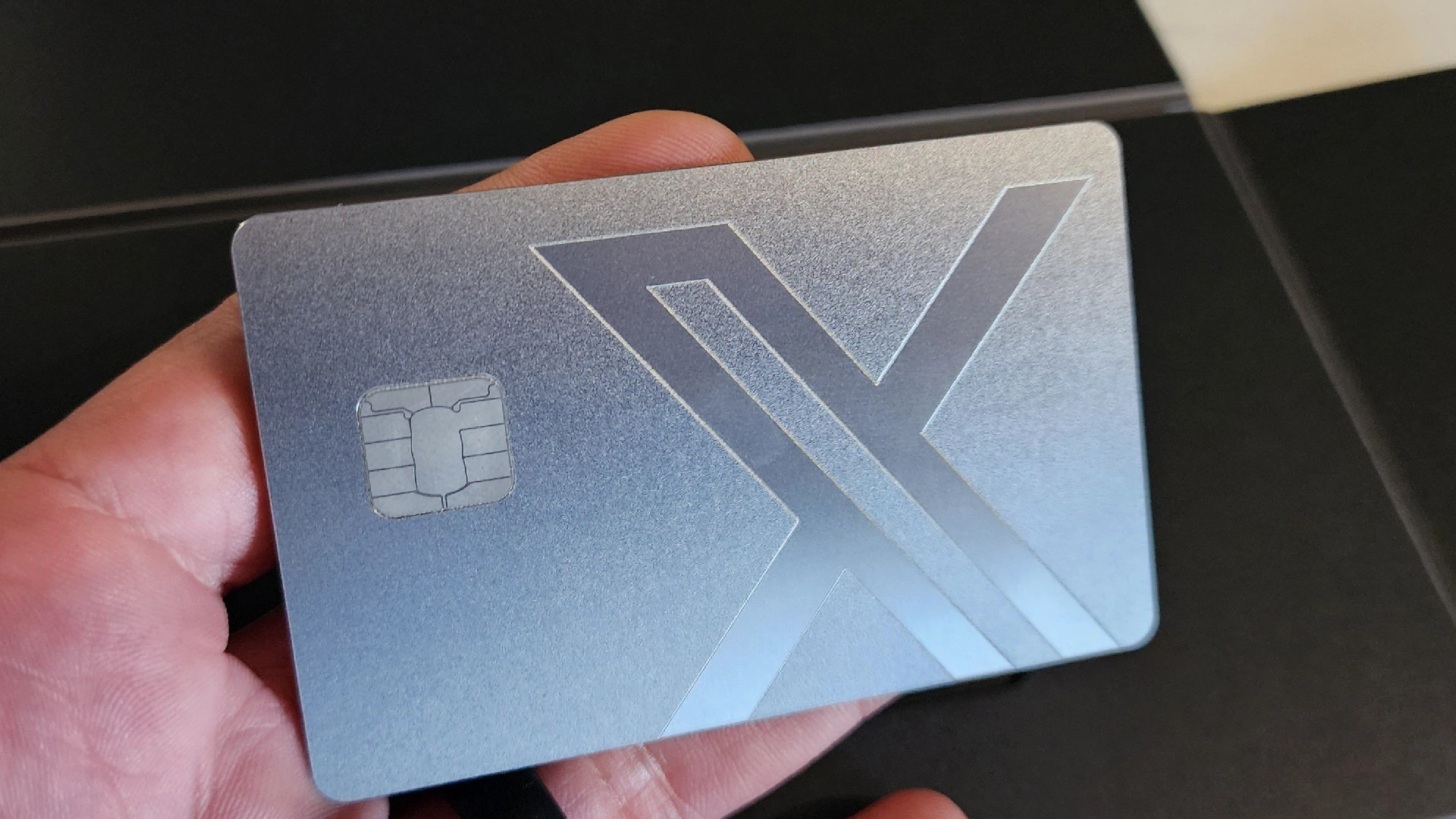
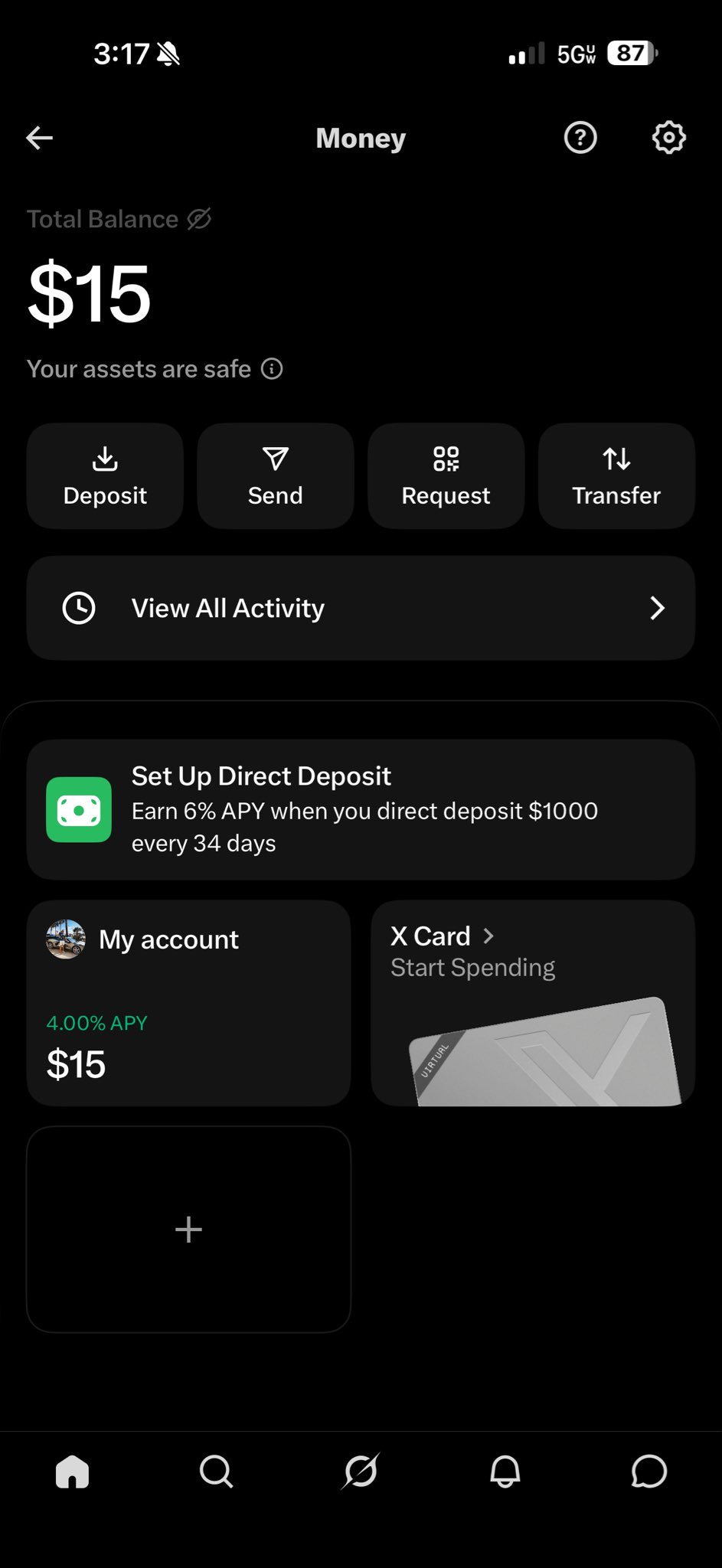
Let’s set aside the idea of a simple “send money” button. X Money gives users a virtual and physical debit card, made from brushed metal, that pays back 3% cashback on purchases with no foreign transaction fees.
READ: X Partners with Visa to Create ‘X Money’ Payment Service
Deposits earn up to 6% annual interest, well above what most traditional savings accounts offer, and Premium+ subscribers get that rate from day one. The app also handles direct deposits, wire transfers, and even paper checks and logs users in with passkeys instead of passwords.
X itself is not a bank, so the money sits with Cross River Bank, a real American financial services organization that provides technology infrastructure to fintech and technology companies.
It’s also an FDIC-insured institution, and through a sweep arrangement with IntraFi Cash Service, deposits are spread across a network of banks so users can get up to $10 million in insurance coverage.
It is a clever workaround that lets X offer banking features without becoming a bank itself.
Potential Parallels and Lessons From WhatsApp Pay
Before getting excited about X Money going global, it helps to look at WhatsApp’s payments history. WhatsApp tried to launch payments in India back in 2018 and ran into years of regulatory delay.
In Brazil, its 2020 launch was shut down by the central bank after just one week, over competition concerns, before eventually returning. Nearly a decade later, WhatsApp Pay only works properly in two countries: India, riding on the UPI rails, and Brazil, riding on Pix.
Everywhere else, including Africa, it barely exists. The implication here is that having billions of users does not guarantee a payments product survives contact with local regulators and local infrastructure.
Could X Money Work In Kenya?
The short answer, not anytime soon.
Kenya’s payments space is guarded closely by the Central Bank of Kenya and the Communications Authority of Kenya.
Any foreign company wanting in has to set up a local subsidiary, put up real capital (from KES 5 million for retail payment services to KES 20 million for e-money issuers), and get sign-off from both regulators, all while meeting strict anti-money laundering rules.
Then there is M-PESA itself, which is the plumbing the economy runs on. M-PESA has also grown into a full financial ecosystem with Lipa na M-PESA for merchant payments, M-Shwari for savings and loans, and Fuliza for overdrafts.
For X Money to even compete, it would need to build a physical agent network from scratch, support USSD for the many Kenyans without smartphones, and undercut M-PESA on price, all while Safaricom holds enormous sway with regulators.
WhatsApp, despite reaching over 97% of Kenyans, still could not crack this market. That sets a challenging precedent for the X payment feature to surpass.