




Vodafone is buying more control of Kenya’s biggest telco, and the government needs the money.
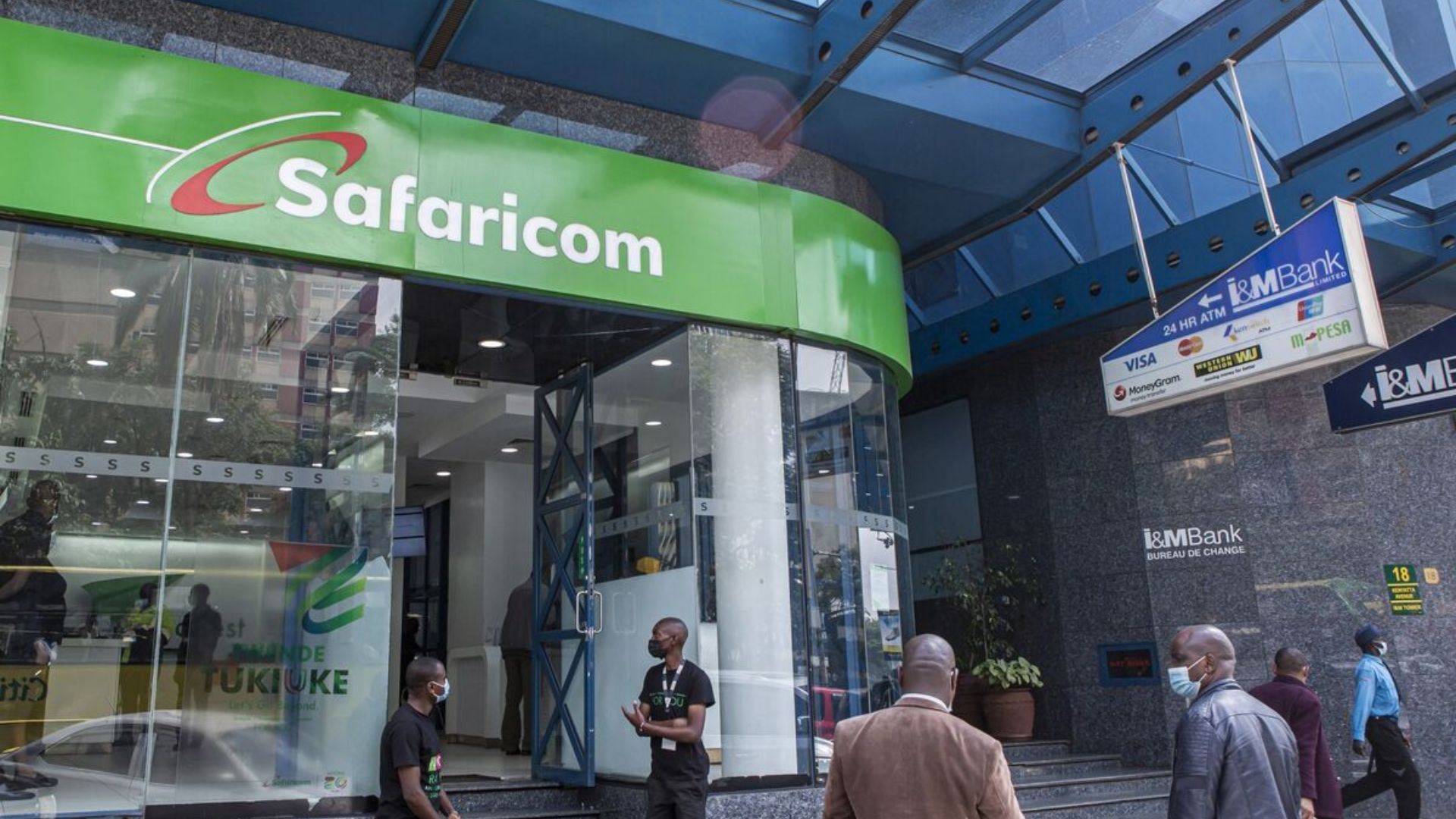
In what is shaping up as Kenya’s largest corporate transaction in years, Vodafone Kenya will pay $1.57 billion to acquire 15% of Safaricom from the Kenyan government, pushing its total stake to 55% and giving it majority control of East Africa’s most profitable company for the first time since the telecom giant went public in 2008.
The deal values Safaricom shares at KES 34 each, roughly 33.9% above their six-month trading average on the Nairobi Securities Exchange.
That’s a healthy premium for a government facing serious budget pressures and looking for quick cash without raising taxes or adding debt.
Here’s how the ownership will shake out: Vodafone Kenya jumps from 39.9% to 55%, the government drops from 35% to 20%, and public investors keep their 25%. The transaction involves some corporate shuffling too.
Vodacom Group, the South African telecom operator that already owns 87.5% of Vodafone Kenya, will buy out the remaining shareholders to take full control. This restructuring adds another 5% indirect stake in Safaricom to the mix.
In addition, Vodafone Kenya is also paying the government an additional $309 million upfront for the rights to future Safaricom dividends that would have gone to the state’s remaining 20% stake.
That’s essentially letting the treasury cash out years of dividend payments now instead of waiting for annual checks. Total cash flowing to Kenya’s government: $1.89 billion.
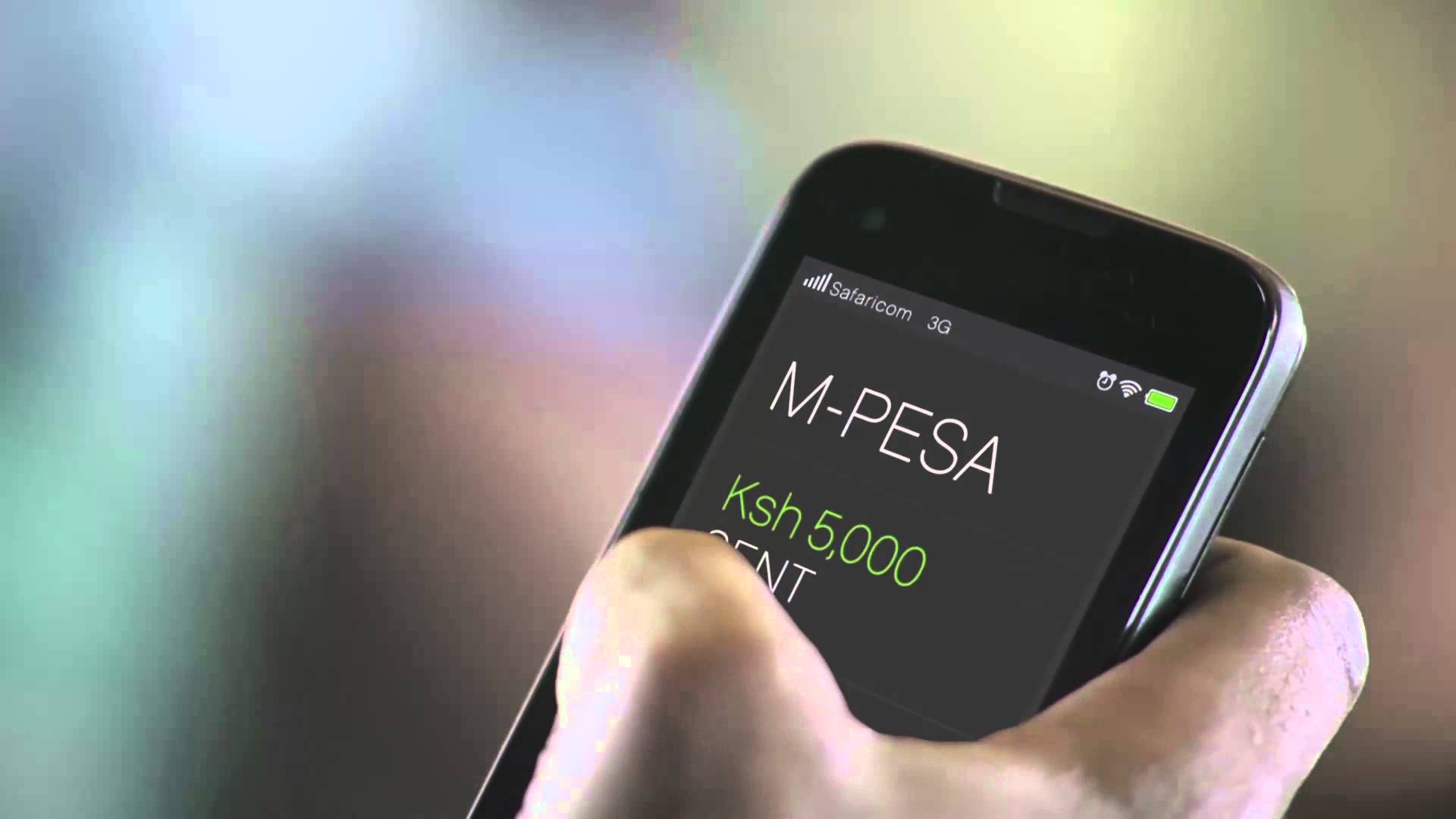
For context, Safaricom paid out $379 million in dividends last fiscal year alone. The company dominates Kenya’s telecom landscape with a 65% customer market share and controls 91% of the mobile money market through M-PESA, which processes over 100 million transactions daily. It’s worth about $8.7 billion and serves 62 million customers across Kenya and Ethiopia.
The government is framing this as smart fiscal management, allowing it to raise capital at above-market prices without borrowing or taxing.
READ: Kenya Plans Mega Sale of Safaricom Shares to Raise Over a Billion Dollars
These proceeds are earmarked for infrastructure projects in energy, roads, water, and airports. For Vodacom, it’s a bet on Safaricom’s growth story and a way to consolidate its fintech capabilities across the region, especially the wildly successful M-PESA platform.
However, there are some regulatory hurdles that still need to be overcome. Kenyan takeover rules say that anyone crossing the 50% ownership threshold must make an offer to buy out minority shareholders.
Vodafone Kenya plans to apply for an exemption from the Capital Markets Authority, arguing this is a strategic investment tied to technical support and management, not a full takeover.
They’re committed to keeping Safaricom listed on the Nairobi exchange and have promised no merger-related job cuts for at least three years.
The deal still needs approval from multiple regulators in Kenya, Ethiopia, and South Africa, including Kenya’s Cabinet, Central Bank, National Assembly, and various competition authorities. If all goes smoothly, it should close in the first quarter of 2026.