




Kenya’s education sector runs on data, and for years that data lived in a platform called NEMIS, the National Education Management Information System.
NEMIS tracked enrollment, learner records, and institution details across the country, but it also carried persistent problems, including mismatched records, downtime, and gaps that made it unreliable for something as sensitive as school funding.
The government’s answer to this is the Kenya Education Management Information System (KEMIS).
Unlike NEMIS, which mostly served basic education, KEMIS is built to pull together data from early childhood education right through to university, giving the Ministry of Education one consolidated view instead of several disconnected ones.
The stated goal of better data collection means better planning, more accurate capitation, and fewer chances for schools to inflate enrollment numbers to draw funding they are not entitled to.
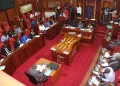
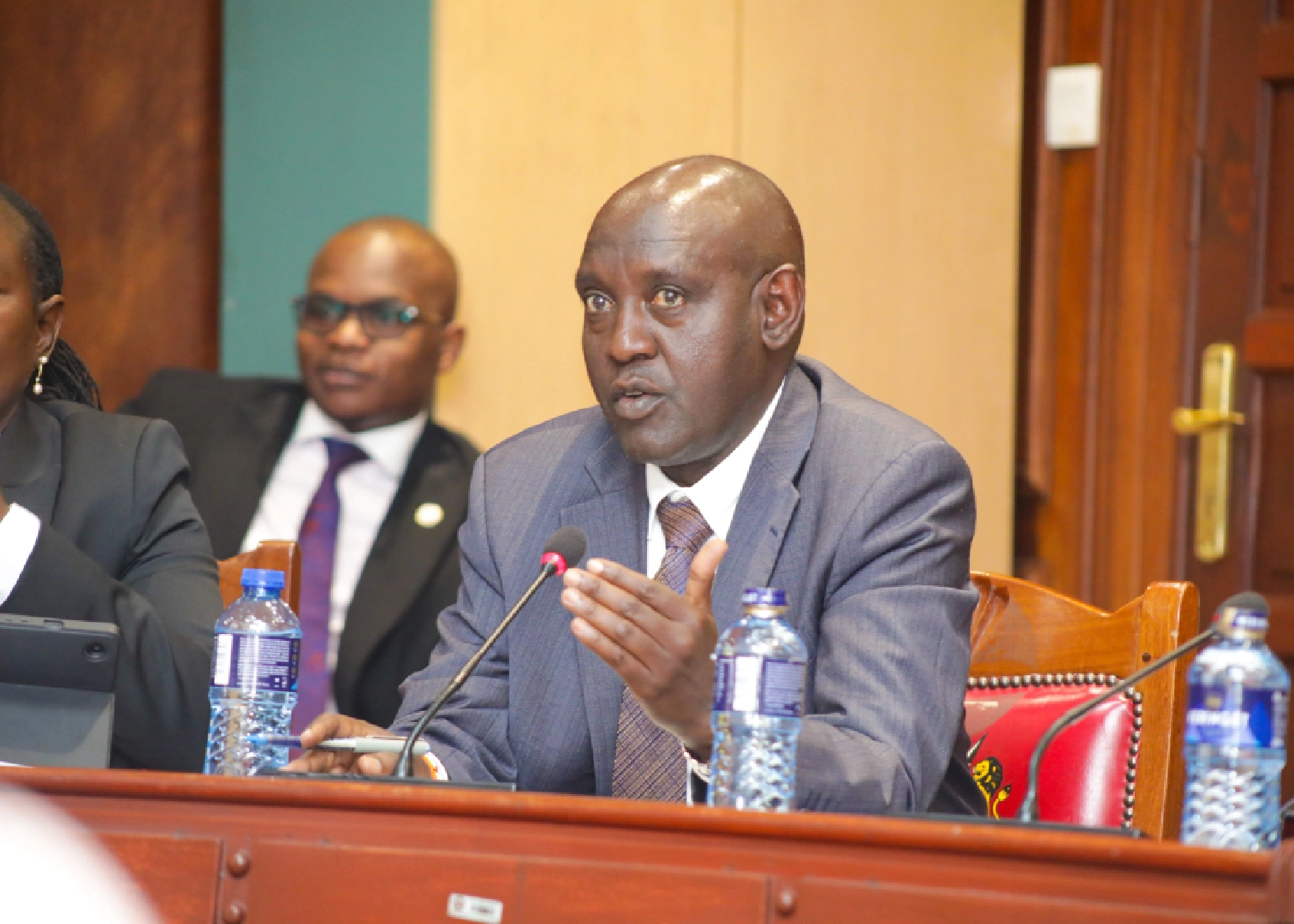
Parliament is not convinced the handover was properly done. The Public Accounts Committee questioned Education PS John Ololtuaa in late August. He admitted that the latest capitation disbursement used neither NEMIS nor KEMIS, as reported by Citizen.
Instead, officials relied on manually verified data because KEMIS is not yet complete. MPs have criticized the approach as guesswork.
Education News reports that MPs had already flagged over KES 103.99 billion disbursed against unverified NEMIS learner numbers, and lawmakers like Nabii Nabwera are questioning whether KEMIS is a genuine upgrade or a costly repackaging of the same problem.

Where It Started Going Wrong
The timing of this transition could not have been more consequential.
KEMIS became the required platform for the 2026 Grade 10 selection exercise, where nearly 1.2 million Grade 9 learners choose their pathway, subject combination, and preferred senior schools under the Competency-Based Education (CBE) model.
It was during this critical process that the platform’s early problems began to emerge. Schools reported failed logins, slow response times, and submissions that appeared to go through but never actually saved.
Some administrators pulled up learner records only to find data from the previous Grade 9 cohort staring back at them, raising the uncomfortable possibility that a school could submit choices against the wrong learner entirely.
The Ministry has directed field officers to monitor the rollout while technical teams work to stabilize the system, but the exercise was scheduled to close on September 11, 2026, leaving little room for error.
A second, less obvious problem makes things worse. Senior schools must be correctly uploaded to KEMIS with details such as their category, pathway, subject combinations, and available capacity before learners can select them.
When this process is delayed, some schools that exist and have available spaces do not appear as options. This means a learner’s first choice can be valid and available in reality, but not appear on the screen when they are making their selection.
What It Means for Learners and Schools
It is important to separate two issues that are being mixed together.
The Ministry also reduced the number of preferred senior school choices from 12 to eight this year. This was a policy change introduced for the second CBE cohort. It was not caused by a technical problem with KEMIS.
KEMIS is the system used to process the new rule. It is not the reason the rule was introduced.
The evidence points to a real risk to the accuracy of this year’s selection data. However, it does not prove that learners have already been permanently placed in the wrong schools. That distinction matters to both parents and schools.
The immediate priority should be making sure every submitted choice has been saved, can be verified, and is linked to the correct learner profile before automated placement begins. A printed, checked and signed record remains stronger evidence than a screen that simply appeared to work.
The Ministry also needs to give the public a clearer picture of what happened. This should include how many schools were affected, how many records were corrected, and whether the final placement process will use an independently verified copy of the choices learners actually submitted.
The Ministry Has Not Named the KEMIS Builder
For a system designed to hold records of millions of children, surprisingly little is publicly known about who built KEMIS.
The Ministry describes KEMIS as a government-led project involving other state agencies, development partners, and unnamed “technology providers.” It is funded through the World Bank-backed Kenya Primary Education Equity in Learning Programme.
There are also unanswered questions about whether KEMIS is a new system or a rebranded version of NEMIS using migrated data. Questions also remain about its planned links to Maisha Namba and national identity records.
Until the Ministry identifies the contractor and publishes the relevant agreements, Kenyans are being asked to trust a system without knowing who built it or who operates it.