





A sweeping new order by the Tanzania government, published on July 28 2025 under the Business Licensing Act (Cap.101), has been a point of contention and conversation across the East African region and beyond.
While key sectors like agriculture and tourism are set to be heavily affected, the new order is also set to significantly impact foreign participation in Tanzania’s ICT sector.
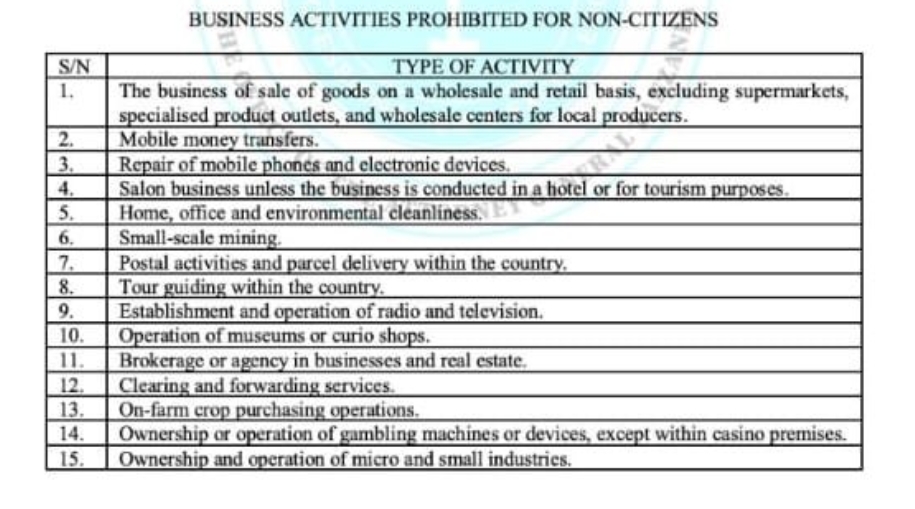
The order outlines a list of 15 business activities that non-citizens can no longer undertake in Tanzania, with several ICT-related ventures included. Among the affected activities are:
Mobile money transfers: A critical digital financial service across East Africa, this ban could force foreign-owned fintech startups and mobile transaction service providers to exit or partner with local entities.
Repair of mobile phones and electronic devices: Foreign-operated repair shops, particularly in urban centres, will now be off-limits, potentially disrupting small to mid-sized tech service companies run by non-citizens.
Broadcasting of content via radio and television: This clause may affect foreign-owned digital media startups and streaming platforms that rely on traditional or hybrid content distribution models.
Operation of courier services: With the rise of e-commerce and digital logistics platforms, this restriction may affect tech-driven delivery businesses, many of which depend on foreign investment and expertise.
So what happens to the foreign business owners who are already operating in the country? Well, the order stipulates that licenses already held by non-citizens in the sectors will remain valid until they expire. After the expiry date, the government will not renew any of them.
The implications of this order have sparked a lot of conversation and outrage from foreign investors and entrepreneurs, who now have to figure out their next steps.
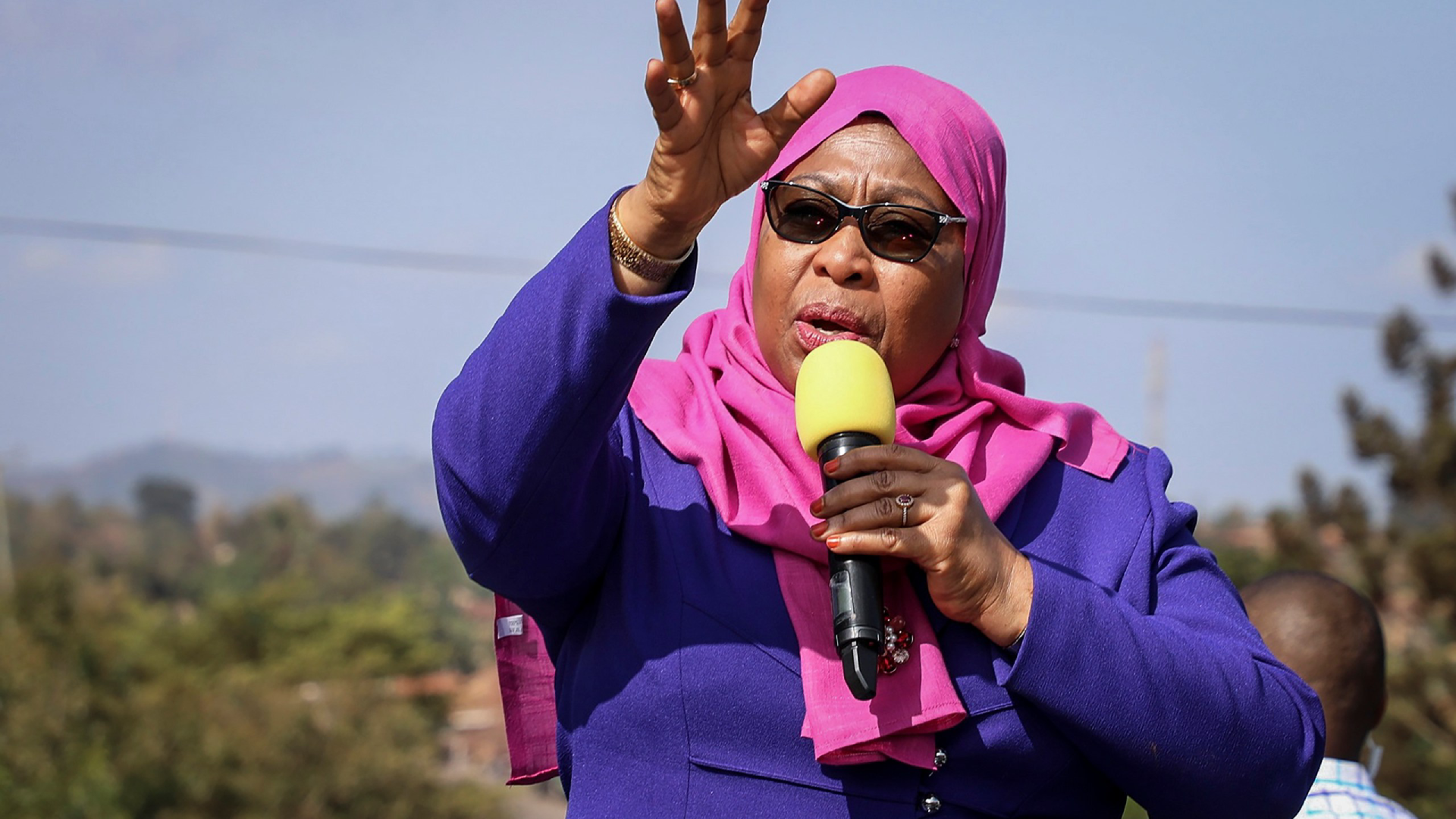
According to the Samia Suluhu-led administration, the regulations are aimed at preserving economic opportunities for Tanzanian citizens and giving them a chance to keep competition within the country’s borders.
Read: X (Twitter) Goes Dark in Tanzania
However, concerns have been raised about the potential of the country’s digital growth and innovation slowing down due to reduced foreign participation.
So, it’s only a matter of time before we get to see the progress of Tanzania’s economy following this ban and how locally owned tech-focused companies will have to adapt to keep operations going as normal.