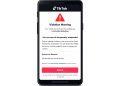





TikTok has removed more than 450,000 videos and banned over 43,000 accounts in Kenya during the first quarter of 2025, according to its latest Community Guidelines Enforcement Report.
The report shows that 92.1% of the removed videos were taken down before they received any views, while 94.3% were removed within 24 hours of being uploaded.
Content flagged for removal covered a wide range of violations, including hate speech, graphic or violent material, child safety concerns, nudity, misinformation, drug-related content, and videos promoting self-harm or suicide.
Compared to previous quarters, the Q1 2025 data shows a significant increase in video removals, indicating that TikTok is tightening its enforcement strategies, especially in regions like Kenya, where digital safety has become a rising concern.
In Q2 and Q3 of 2024, TikTok removed between 334,000 and 360,000 videos, with over 60,000 accounts banned in each of those periods.
Interestingly, while video removals increased earlier this year, the number of account bans slightly declined.
This may suggest that TikTok’s detection systems are becoming more effective at intercepting harmful content early, potentially before users engage in repeated or large-scale violations.
Read: TikTok Removes Over 360,000 Videos in Kenya
Why Is TikTok Being So Strict?
Kenya remains one of TikTok’s most active markets in Africa, and with that comes increased scrutiny from regulators and the public.
Local conversations around content regulation, especially concerning minors and viral trends with potentially harmful consequences, have intensified in recent months.
In response, TikTok has continued to invest in expanding its trust and safety operations, strengthening local content moderation, and launching digital literacy campaigns aimed at helping users understand and follow its Community Guidelines.
These efforts are designed to strike a balance between creative freedom and platform integrity.
However, challenges still persist. Issues around language-specific moderation, creator education, and fair enforcement practices continue to raise concerns. As TikTok’s influence grows, so does the need for clear policies that are enforced globally and adapted to regional nuances.