



TikTok has announced an additional $200,000 (~KES 25.8 million) in ad credits to support local organizations across Sub-Saharan Africa working on AI media literacy.
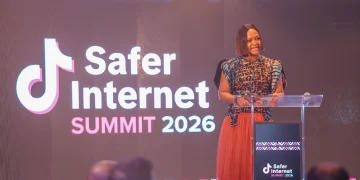
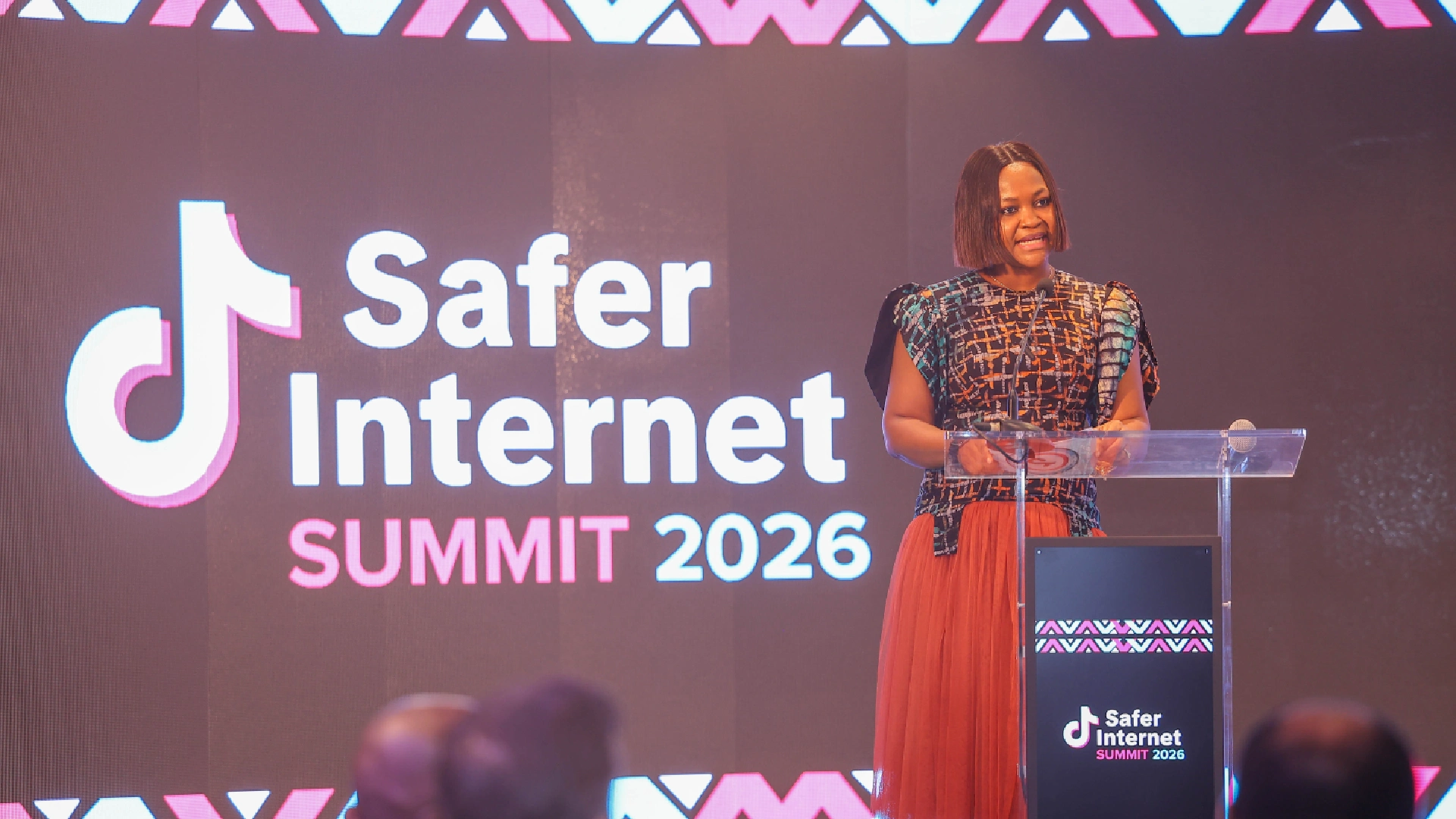
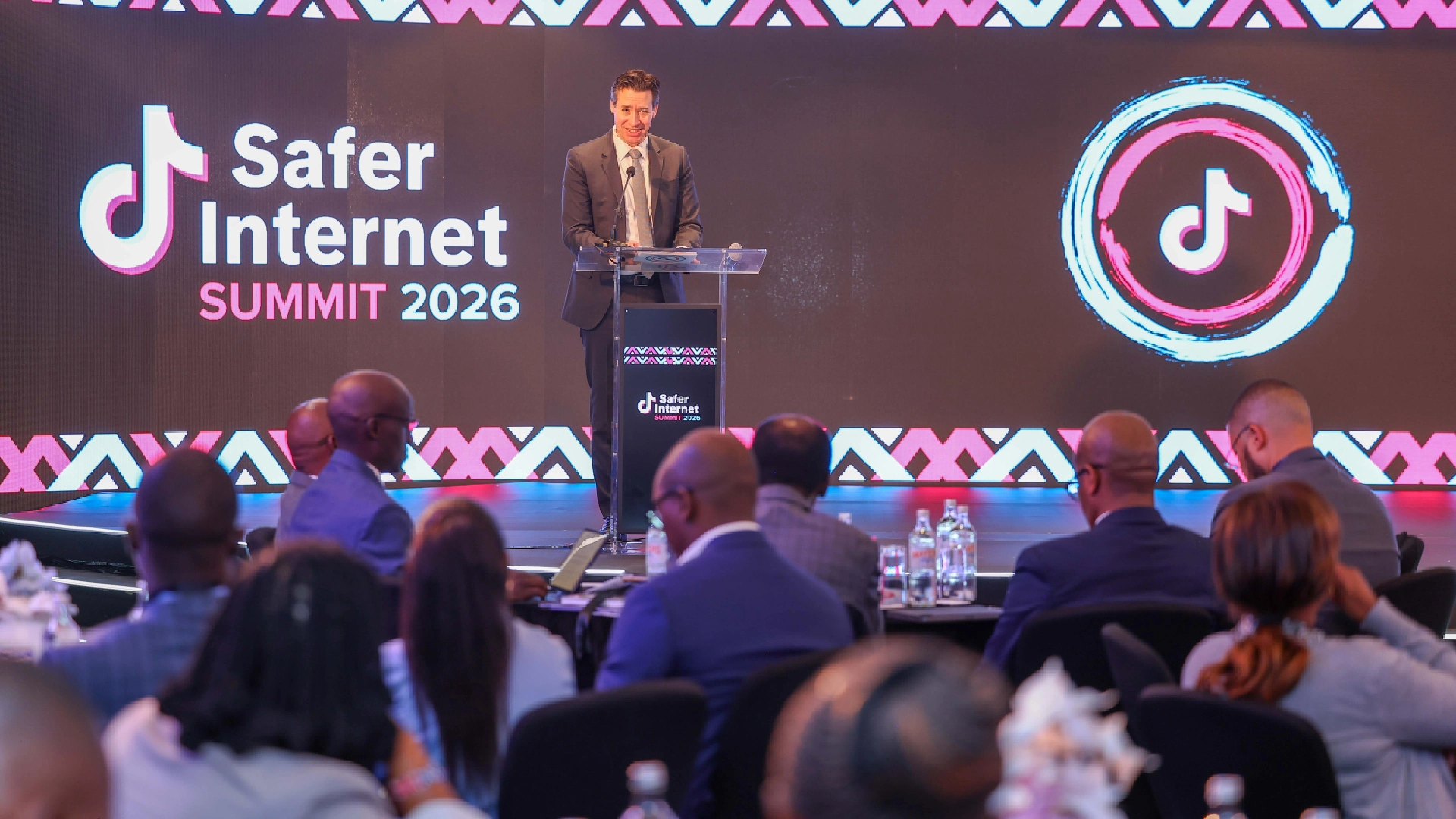
This announcement came after the platform’s third annual Safer Internet Summit, held in Nairobi, during an event that brought together regulators, government officials, and digital safety advocates.
The new funding builds on a $2 million global fund TikTok launched in November 2025, which supported 20 nonprofits to produce public education content about AI.
In Sub-Saharan Africa, three organizations have benefited from that initial investment. Mtoto News, a Kenyan child-focused digital media company; Africa Check, which runs fact-checking operations across Kenya, Nigeria, and South Africa; and CJID, a Lagos-based journalism think tank whose platform DUBAWA counters misinformation.
The ad credits are meant to help organizations like these reach wider audiences on the platform.
AI-generated misinformation is a real and growing problem across the continent, and supporting organizations with the credibility and local reach to address it is not a small thing.
However, the announcement is hard to separate from a persistent issue that TikTok has not yet solved. Most creators in Sub-Saharan Africa still cannot earn directly from the content they produce on the platform.
TikTok’s Creator Fund, which pays creators directly for views and engagement, covers the United States, the United Kingdom, Germany, France, Brazil, Japan, and South Korea. Not a single Sub-Saharan African country is on that list.
The Effect Creator Rewards scheme, a separate payout mechanism for creators who design video effects, covers 53 regions globally, of which only Morocco, Egypt, and South Africa are in Africa. Kenya is crucially excluded from both.
Kenyan creators do have access to LIVE gifting, video gifts, and a subscription model, but these tools place the financial burden on audiences rather than on TikTok itself.
READ: How Creators in Kenya Make Money From TikTok Content
For a long time, TikTok had a reasonable defense that the local advertising market was too thin to share meaningful revenue from. That argument has since run out of road.
In January 2025, TikTok formally launched “TikTok For Business” in Kenya, and the results of that first year were evident. More than 200 Kenyan creators collectively earned over $350,000 (~KES 45 million) through brand collaborations spanning fintech, e-commerce and consumer goods in that first year alone.
TikTok is now Kenya’s third most popular social network after Facebook and WhatsApp, with more than half of surveyed users logging in daily. The advertising market is clearly there.
What has not followed is a direct share of that ad revenue going back to creators as a platform-level baseline, the way YouTube pays up to 55% of ad revenue to creators worldwide regardless of where they are based.
READ: TikTok Removes 580,000 Kenyan Videos in Three Months
The brand collaboration model TikTok has built through “TikTok For Business” benefits creators who are already commercially visible enough to attract deals.
The 200-plus creators who shared in the $350,000 are a fraction of the Kenyan creators producing content on the platform daily. For everyone outside that bracket, the gap between what TikTok earns off their content and what finds its way back to them remains wide.
South Africa’s Communications and Digital Technologies Minister Solly Malatsi told eNCA in April 2025 that Africa’s exclusion from TikTok’s Creator Rewards Program was an economic injustice.
He said his department had raised the issue directly with TikTok’s leadership. South Africa has more than 17 million active TikTok users but still has no access to direct creator payments, which makes the concern hard to dispute.
The infrastructure to close this gap now exists locally. The missing piece is a policy decision to route ad revenue back to creators systematically, not just through brand deals that require a creator to already be commercially attractive.
That is not a market problem. It is a choice.
With all that in context, $200,000 in ad credits directed at organizations, while useful for the organizations involved, does not address what individual creators here are missing. The two things are not in competition, but the contrast is hard to ignore.
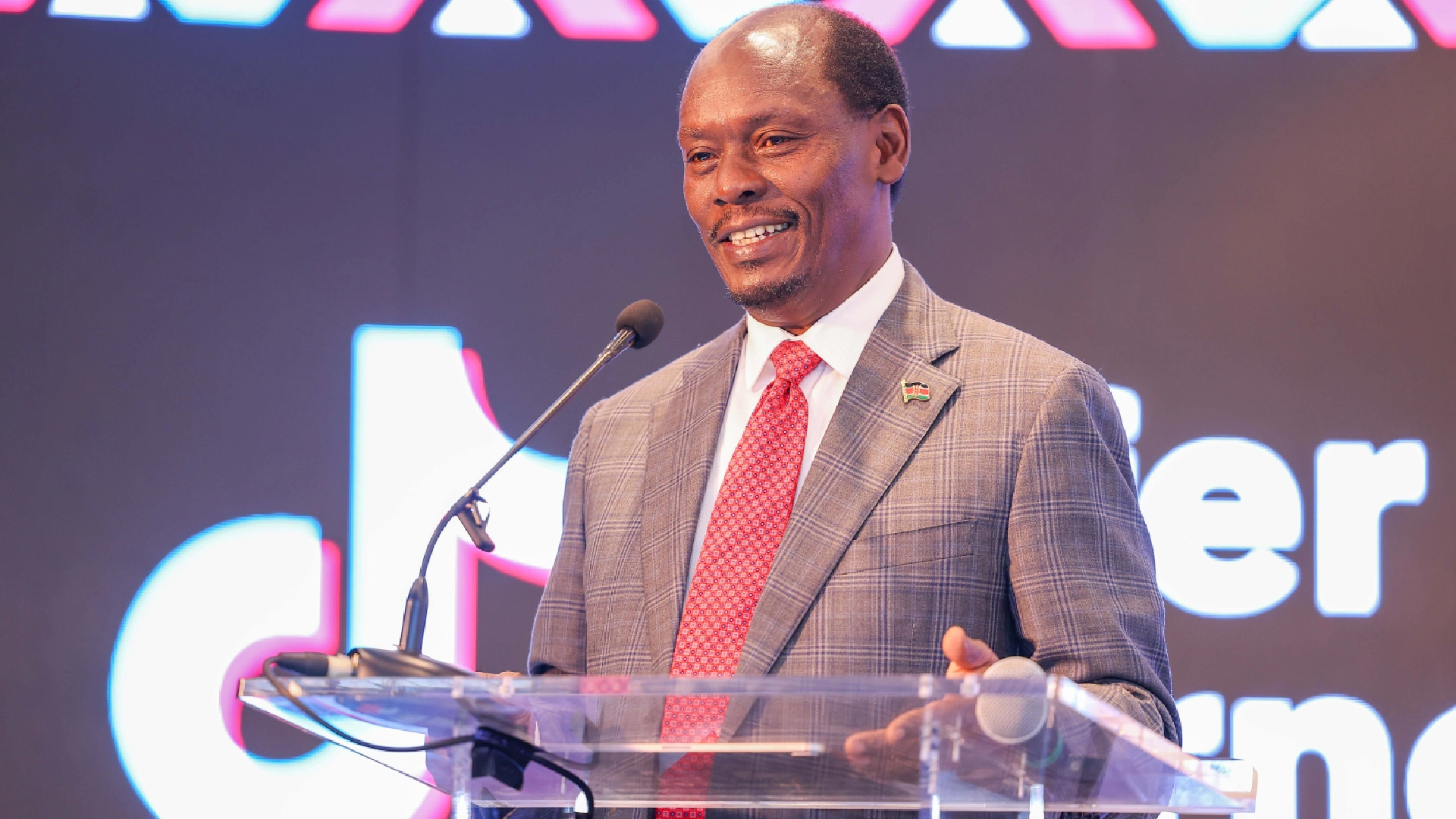
Cabinet Secretary for ICT William Kabogo opened the summit with remarks about Kenya’s commitment to digital safety and sector growth, a notable appearance given the growing pressure from within parliament to rein the platform in.
Kenyan MPs have been pushing for tighter controls on TikTok, citing concerns about its impact on young people and content they say conflicts with Kenya’s cultural and religious values.
However, with the 2027 general elections approaching, the push feels less like routine oversight and more like political positioning, given how social media shaped the Gen Z-led protests of 2024 and 2025.
TikTok seems clearly aware of this environment. By hosting the summit in Nairobi with a Cabinet Secretary present, announcing new investment, and sharing moderation figures, the company shows it is strengthening its relationship with the Kenyan government while also addressing digital safety.