





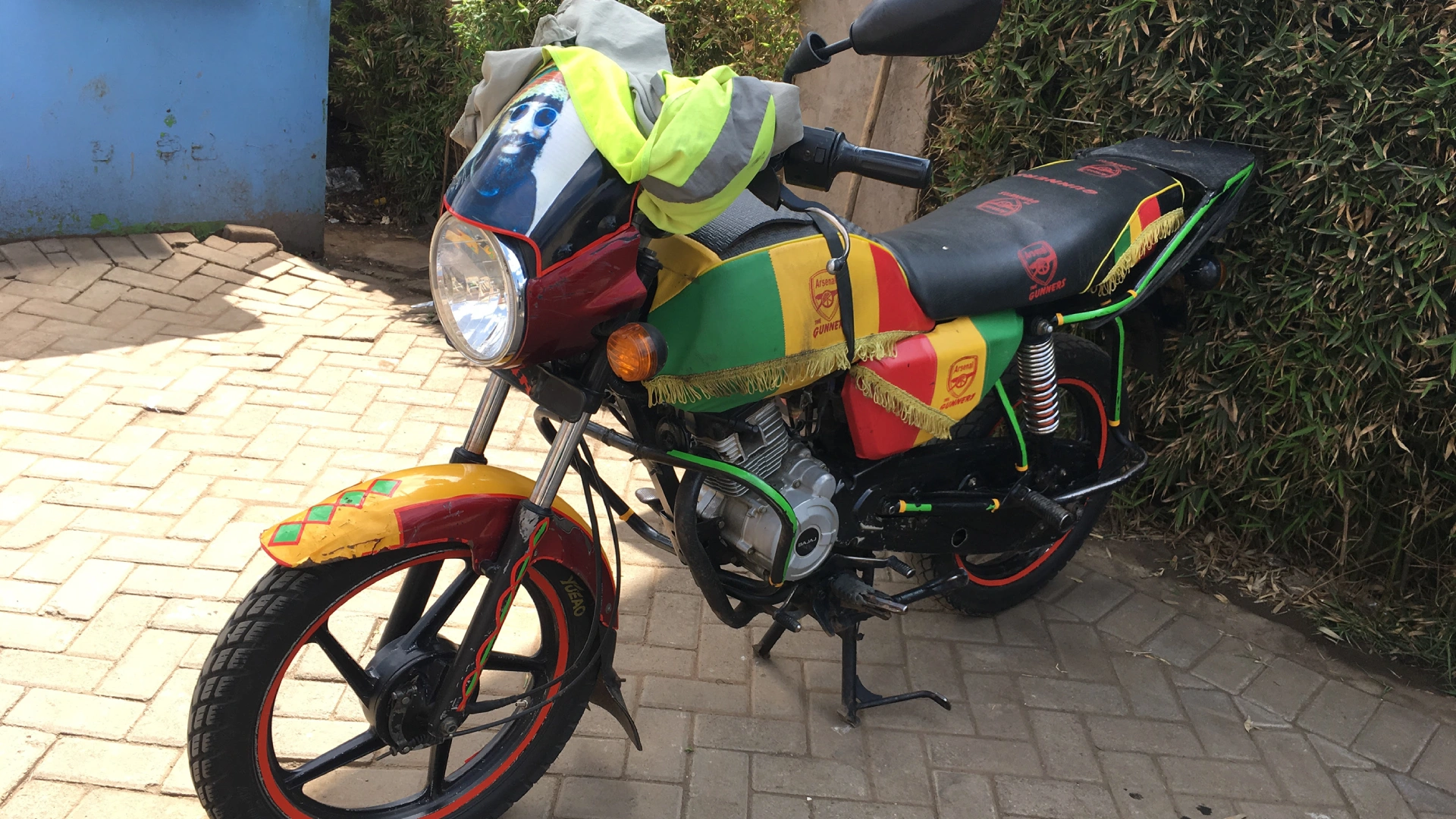
The government is finally addressing the boda boda problem that has been plaguing the country’s roads for years with new rules.
After mounting pressure from frustrated motorists and a series of violent incidents, authorities are rolling out regulations to bring order to the motorcycle transport sector.
The new rules arose from a crucial meeting today between senior police officials and the National Boda Boda Association leadership in Nairobi.
Regional Police Commander George Seda led the discussions, which came at a time when public anger over boda boda lawlessness had reached a boiling point.
The Fine Print of the New Regulations
Under the new regulations, every boda boda rider will need to wear county-specific uniforms with unique identification numbers. Each sub-county will have its own distinctive colored uniforms, making it impossible for riders to blend in anonymously across different areas.
Beyond uniforms, riders must now be at least 18 years old, hold valid driving licenses, possess certificates of good conduct, and carry two helmets.
They’ll also need to register with the authorities and join SACCOs along with stage chamas. These financial groups are designed to instill discipline and create a support structure that encourages responsible behavior.
Boda Boda and Crime Association
These regulations have been proposed after city lawyer Kyalo Mbobu was shot dead on September 9 by attackers on a motorcycle along Magadi Road.
His murder is part of a disturbing trend where criminals increasingly use boda bodas as getaway vehicles because they’re hard to trace and can easily disappear into traffic.
Murang’a Senator Joe Nyutu has taken the issue further, proposing that motorcycles should have larger, more visible front number plates in addition to the rear ones.
As it stands, current camera systems struggle to capture registration numbers from the back, especially when motorcycles are speeding away from crime scenes. Bigger front plates would make identification much easier for both cameras and witnesses.
“We need to think more seriously and regulate the motorcycles so that once the crime is committed by people on a motorcycle, in two to three days, we should be able to tell who was using the motorcycle,” Nyutu explained during an interview on Citizen TV.
Violent Conduct
Besides crime, there’s been public outcry to stop boda boda riders from becoming judge, jury, and executioner at accident scenes.
The Motorist Association of Kenya had raised alarm about growing lawlessness, citing incidents in Juja and Luanda where vehicles were stoned or torched after accidents. Pedestrians have also fallen victim to violent gangs of riders who take justice into their own hands.
Commander Seda made it clear that this behavior will no longer be tolerated. He warned riders against interfering with traffic accident investigations and emphasized that law enforcement belongs exclusively to police and other authorized agencies.
Individual riders who break the law will face individual consequences, not collective solidarity.
Kevin Mbadi, chairperson of the Boda-Boda Safety Association of Kenya, backed up this stance as well. Local boda boda leaders will face crackdowns if vehicles are torched in their areas until they provide names of those responsible.
READ: Boda Boda Association Opposes Live GPS Tracking in New Bill
To support riders who find themselves in legal trouble through legitimate means, his association has signed a deal with lawyers to provide free legal services for road-related cases.
While the new rules focus heavily on control and accountability, they also recognize that many boda boda operators are trying to make an honest living. The requirement to join SACCOs and chamas will help in creating financial stability and opportunities for riders to build legitimate businesses.
The registration system, while primarily designed to prevent criminals from using stolen or unregistered motorcycles, will also help legitimate operators establish credibility and access services that were previously unavailable to them.
Needless to say, the success of these new regulations will depend largely on enforcement. Previous attempts to control the sector have often failed because rules were announced but not consistently implemented.
This time, with clear consequences spelled out and both police and boda boda associations aligned, the chances of meaningful change appear higher. The real test will come in the coming months as these rules move from paper to practice on the streets.