





Kenya and Nigeria have signed a strategic agreement to strengthen cooperation in satellite technology, a move that will hopefully accelerate digital access and support critical sectors across Africa.
The Kenya Space Agency (KSA) has formalized a partnership with Nigeria’s Communications Satellite organization (NIGCOMSAT) to share capacity and expertise in satellite broadband.
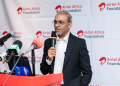
The announcement was made during a visit by Brigadier (Retired) Hillary Kipkosgey, Director General of the KSA, to the NIGCOMSAT ground station in Abuja.
Discussions centered on how Kenya can make use of Nigeria’s satellite resources to improve services in education, defence, healthcare, fintech, and public administration.
Jane Egerton Idehen, Managing Director of NIGCOMSAT, described the collaboration as a significant step in creating resilient digital systems for Africa.
She added that satellite technology is not only about expanding connectivity but also about protecting sovereignty, enhancing security, and positioning the continent as a competitive player in the global space industry.
Nigeria has been a long-time investor in space technology, and this partnership aligns with its mission to apply satellite solutions for socio-economic development.
NIGCOMSAT projects that the initiative could generate revenue of N8 billion (roughly KES 697 million) over the next three years. The agency expects Kenya’s involvement to expand that figure by opening new opportunities for joint projects and regional cooperation.
Brigadier Kipkosgey also highlighted the importance of knowledge exchange and continuous engagement between the two agencies. He emphasized that collaboration in space initiatives will help African countries achieve shared objectives more effectively than individual efforts.
He also pointed out that high-level meetings between partners are essential for building momentum and ensuring tangible outcomes.
“We are here to build a closer working relationship with our Nigerian counterparts. To achieve meaningful progress, we need deeper engagement and more frequent dialogue,” he said.