





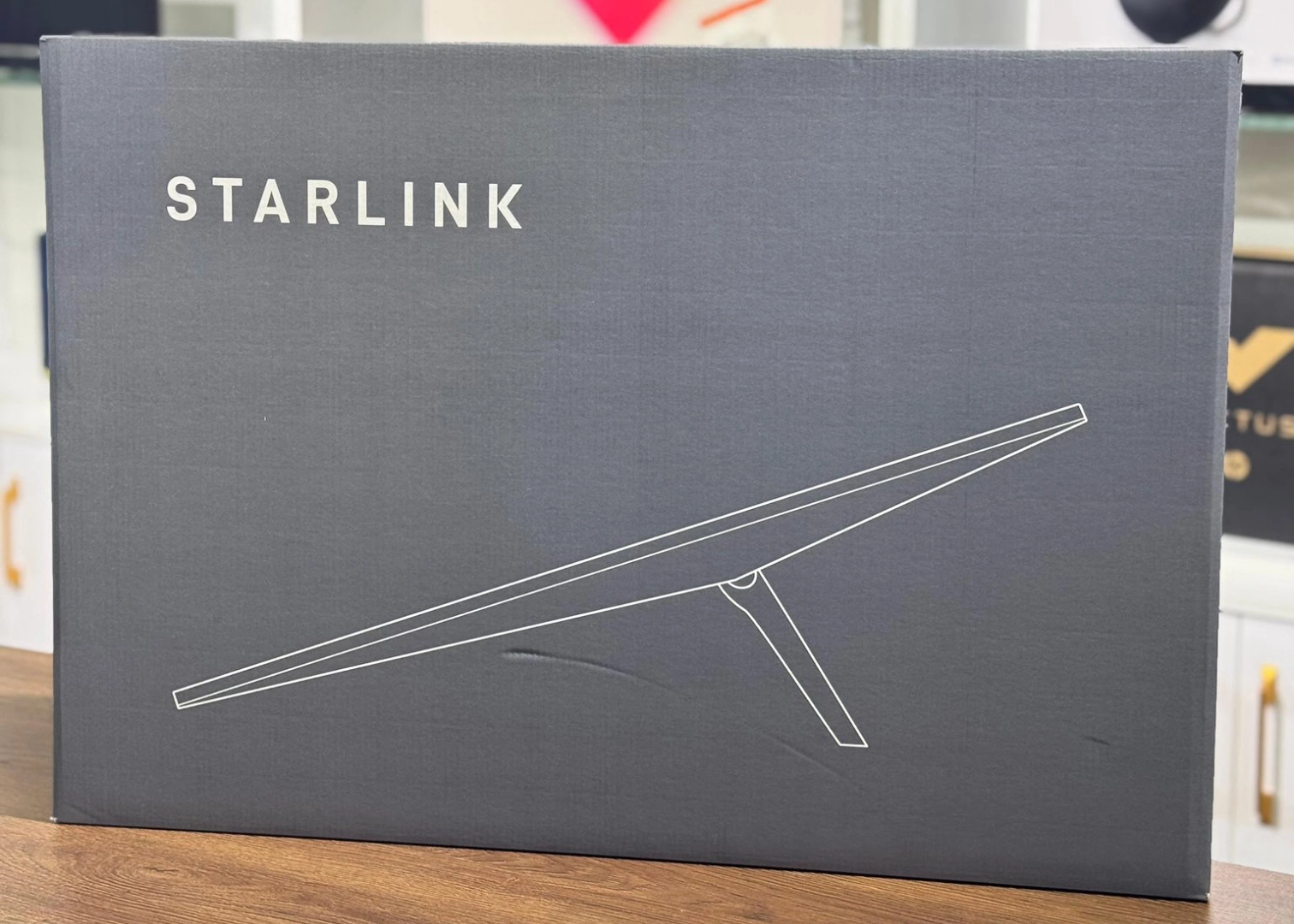
Starlink has run out of room in some of Kenya’s busiest counties. New customers trying to sign up in Nairobi, Kiambu, Mombasa, Machakos, Murang’a, Kirinyaga, and Kwale are no longer able to place an order.
Instead, the company’s website redirects them to a waitlist and asks for a deposit to hold their spot, with no promise of when a connection might actually open up.
READ: Starlink Suspends Unverified Kenyan Accounts After Government Deadline Hits
It’s an unusual problem for a company that has spent the last three years trying to get as many Kenyans online as possible. Since launching in the country in July 2023, Starlink built its growth by cutting prices again and again.
The satellite dish that once cost around KES 89,000 now goes for about KES 49,900, and customers who don’t want to pay that upfront can rent the equipment for KES 1,950 a month.
On top of that, a 50GB monthly data plan at KES 1,300 undercut most of what traditional internet providers were offering.
That strategy worked. Communications Authority figures show Starlink had just over 8,000 subscribers in June last year. By the end of March this year, that number had more than tripled to nearly 25,000.
It’s still a small slice of Kenya’s fixed internet market, under 1%, but the growth rate has outpaced almost every other licensed provider in the country.
READ: Starlink Drives 115% Growth in Kenya’s Satellite Internet
The catch is that Starlink doesn’t grow the way a fiber company does. A fiber provider can simply lay more cable to reach more homes. Starlink depends on satellites orbiting overhead, and each one can only handle so many users in a given area before the network gets congested.
Once a region hits that ceiling, the company has to either launch more satellites or shift capacity around before it can take on new customers there. That appears to be exactly what’s happening in these seven counties now.
The slowdown doesn’t erase what Starlink has built so far. It has become a real option for people in places fiber never reached, from farms and tourist lodges to construction sites and rural schools, while also picking up city dwellers frustrated with patchy home broadband.
Yet, the waitlist is a reminder that beaming internet from space has its own limits, and unlike digging trenches for cable, you can’t just add more satellites overnight.