







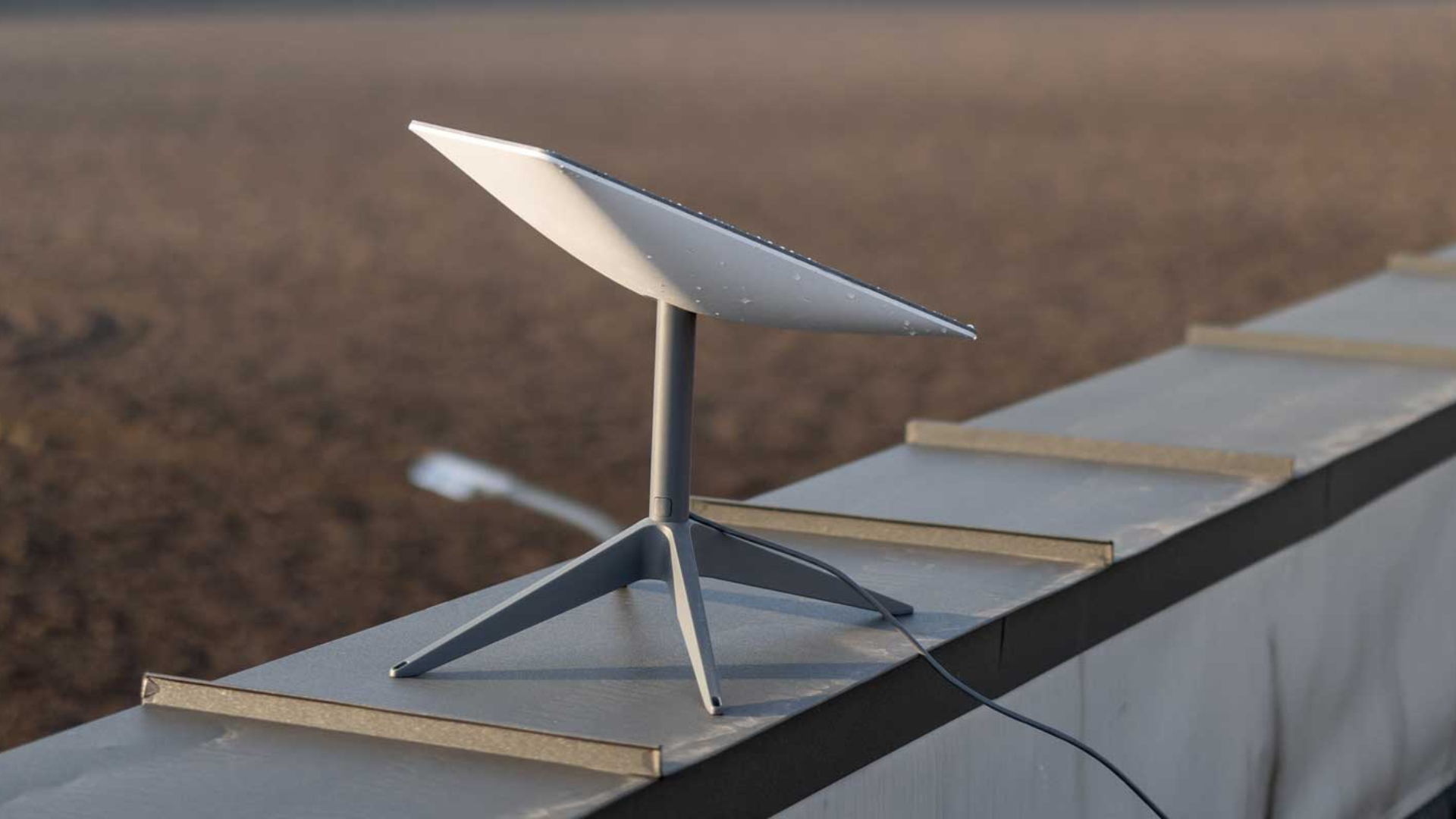
Satellite communication companies operating in Kenya, including Starlink, are about to pay significantly more to stay in business here.
The Communications Authority of Kenya rolled out its Revised Telecommunications Market Structure for 2026 this week, introducing a new licensing category that replaces the relatively cheap entry ticket these firms previously enjoyed.
The old Satellite Landing Rights license cost a flat $12,500 (~KES 1.6 million). Under the new rules, companies will need an International Gateway Systems and Services license starting at KES 15 million for a 15-year term, or KES 45 million for 25 years.
On top of that, there’s an annual operating fee set at 0.4% of gross turnover, with a floor of KES 4 million, meaning even smaller operators won’t escape lightly.
The CA is also introducing a separate Landing Rights Authorization license for companies transmitting signals into Kenya via satellite or submarine cables, priced at $25,000 with a $500 application fee. Depending on the services a company offers, it may need both licenses.
Starlink, which has operated in Kenya since 2023 and currently holds 0.8% of the local internet market as the ninth-largest ISP, faces a more immediate trigger.
It needs the IGSS license specifically to launch its direct-to-cell service in Kenya, which is part of a broader Africa deal with Airtel covering 14 markets.
The service will start with internet-based texts and calls like WhatsApp, with voice calls and SMS expected to follow by 2028.
The new rules also affect satellite broadcasters like MultiChoice and regional mobile operators using satellite infrastructure.
These changes aren’t entirely coincidental. The overhaul was first proposed in December 2024, shortly after Starlink’s arrival shook up Kenya’s broadband market enough that Safaricom, which is the dominant telco, formally petitioned the CA to pull Starlink’s license, citing concerns about illegal connections and network interference.
Safaricom has since changed its tune and is now looking to use Starlink’s network itself to reach remote areas.