




The July 16 Ol Kalou by-election was marred by violence that left journalists assaulted, voters teargassed, and armed men roaming polling stations in unmarked SUVs.
Nation Media Group confirmed that NTV cameraman George Kieru was tasered and stripped of his equipment, while a Nation reporter was threatened at gunpoint, a statement condemned by NMG Board Chairman Joe Muganda, as reported by the Daily Nation.
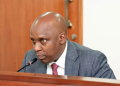
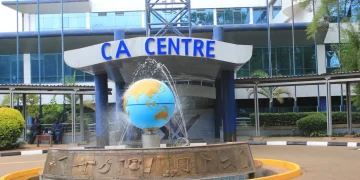
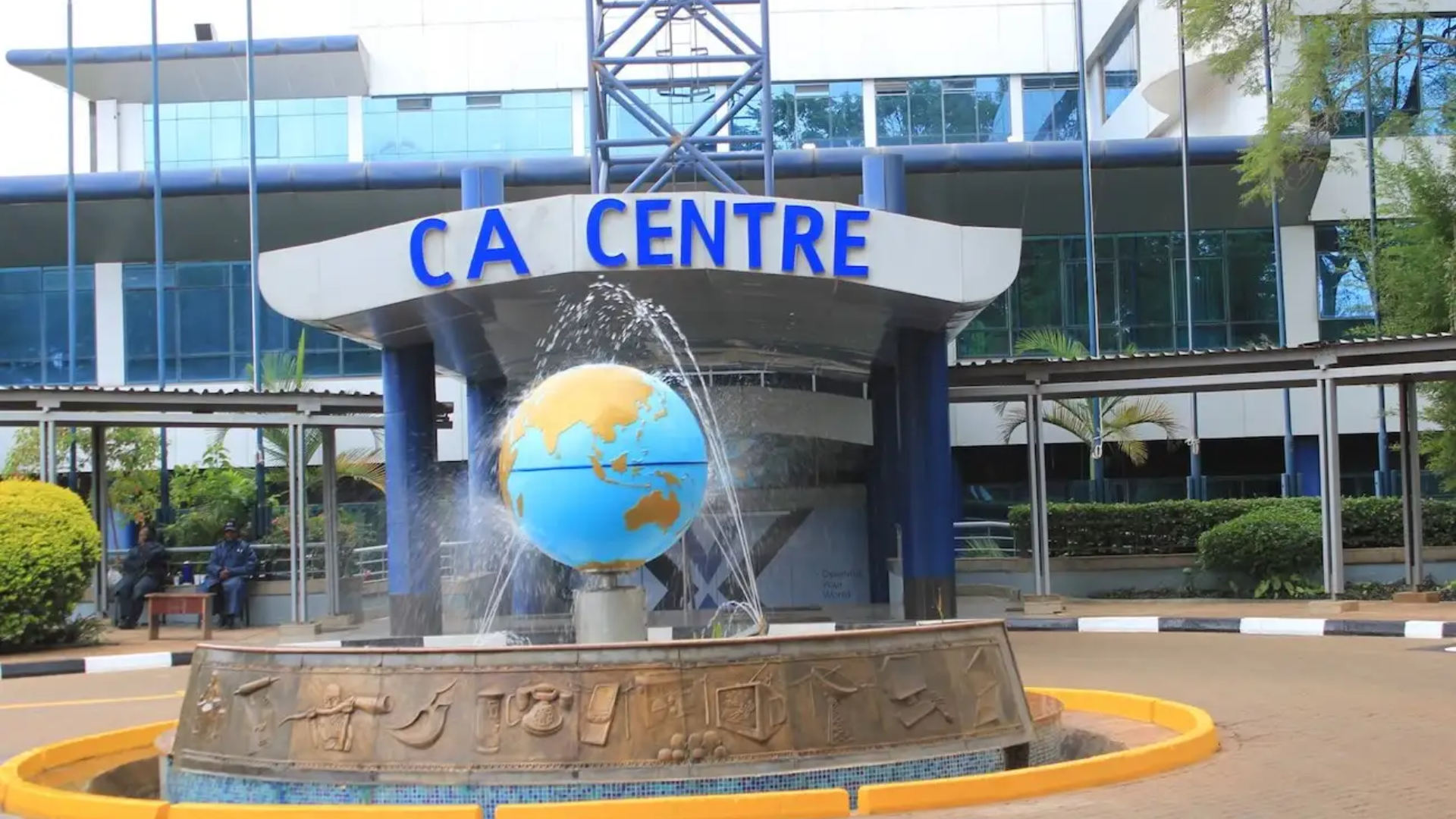
The events also drew attention to Charles Kamau Karondo, Chairman of the Communications Authority of Kenya’s Board of Directors.
NTV’s investigative report, #TheOlKalouCrimeScene, used hidden cameras to track the movements of masked, armed men in Ol Kalou.
The investigation also showed Karondo at a meeting attended by some of the same individuals and traveling in the same vehicle as men the report identified as being involved in the unrest.
The exposé placed Karondo inside the orbit of the operation NTV was investigating. It also did not emerge in isolation.
Days before polling, DCP leader Rigathi Gachagua had already named Karondo publicly, alleging that a group of roughly 40 officers “linked to Charles Karondo of the Communications Authority” was one of three teams deployed to disrupt the vote.
Gachagua’s political framing notwithstanding, the NTV footage now supplies an independent, visual basis for the same name surfacing in connection with the violence.
The problem is one of role, not just conduct, as Karondo does not hold a partisan office. He chairs the statutory body responsible for regulating Kenya’s broadcasting and telecommunications sector, the same sector whose journalists were being beaten and disarmed a short distance from where he was filmed.
The Leadership and Integrity Act requires state officers to remain politically neutral and to conduct themselves in a manner that sustains public confidence in their office.
When the chairman of the Communications Authority of Kenya is photographed or filmed together with individuals implicated in an assault on the press, it goes to the core of what the office is meant to safeguard.
The Standard has separately reported that the Law Society of Kenya has raised concern over the participation of public officers in partisan activity during the by-election.
The concerns raised formed part of a wider pattern the by-election exposed, where state-linked officials appear inside a campaign contest they had no formal role in. Karondo’s appearance in the NTV footage fits that pattern rather than standing apart from it.
As of this writing, Karondo has not publicly responded to the specific claims made in the NTV broadcast.
The National Police Service said the Inspector General has directed the DCI to investigate the individuals seen operating in Ol Kalou during the election, but no suspects have been named.