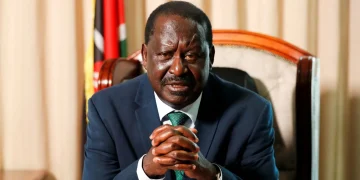




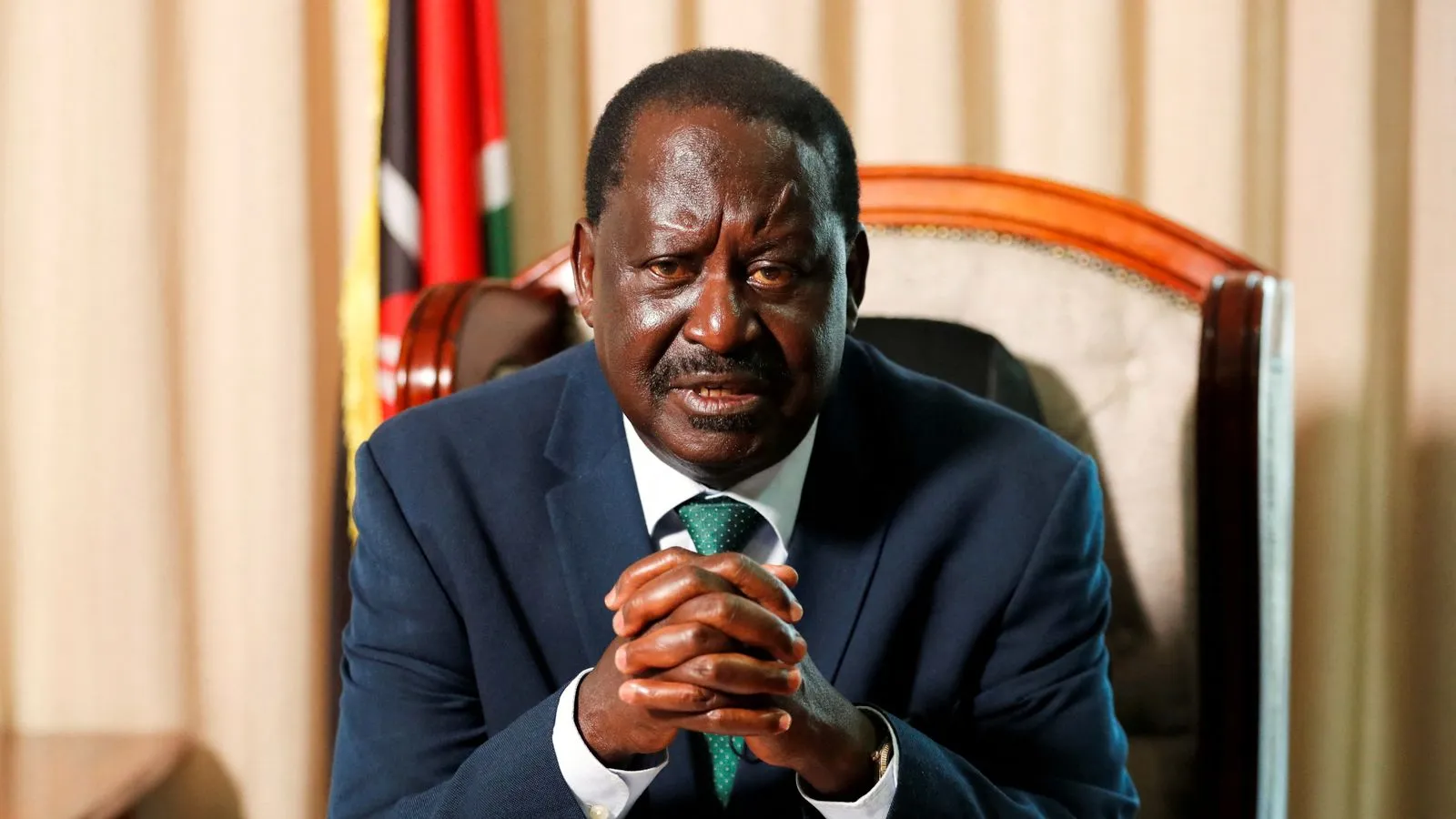
Kenya woke to grief and global attention after the passing of Raila Amolo Odinga in Kochi, India, on Wednesday, October 15. The veteran opposition figure, whose life was intertwined with Kenya’s democratic evolution, drew tributes from around the world.
Online and on the ground, Kenyans expressed grief, pride, ambivalence and debate. The hashtag #RailaOdinga trended globally, and voices young and old reflected on what he meant to them.
Many praised his consistency, his refusal to cede the fight for justice, while others questioned political deals he struck later in his life. In Nairobi, Kisumu, Siaya and beyond, crowds gathered to sing, march and grieve in honor of him.
World leaders joined the chorus of tribute. Former President Uhuru Kenyatta said, “We have lost a father to the nation, a steadfast champion for the people, and a true son of Kenya. His legacy is … etched in the very fabric of our nation.”
Tanzanian President Samia Suluhu called his death “not just a tragedy for Kenya, but for all of us.” Indian Prime Minister Narendra Modi described Odinga as “a towering statesman and a cherished friend of India,” showcasing their long diplomatic and personal ties.
Mahmoud Ali Youssouf, chair of the African Union Commission, praised his “decades-long commitment to justice, pluralism, and democratic reform” across Africa.
South African President Cyril Ramaphosa lauded him as “a patriotic and selfless leader” who was “committed to the development of his own nation as well as prosperity and the silencing of the guns on our Continent”.
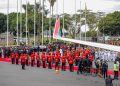
Here in Kenya, President William Ruto declared seven days of national mourning and announced that Raila Odinga would receive a state funeral with full honors.
The nation’s media broke into continuous coverage; public buildings flew flags at half-mast; and political leaders, civil society, and ordinary citizens prepared for a farewell that may define how the next chapter of Kenyan politics unfolds.
As news of his death circulated, Kenya Airways announced that the flight repatriating his remains would adopt the call-sign RAO001 upon entering Kenyan airspace. The move was largely seen as symbolic and an honor seldom given, even to heads of state. As a result, thousands tracked the flight’s path in real time.
Raila Odinga was born in Maseno in 1945. As the son of Jaramogi Oginga Odinga, Kenya’s first Vice President, politics coursed through his upbringing.
He studied mechanical engineering in East Germany before returning home and steadily becoming a vocal advocate for multiparty rule. Under President Daniel Arap Moi’s regime, he endured detentions and crackdowns as Kenyans fought for a more democratic state.
Over his career, he ran for the presidency five times, served as Prime Minister from 2008 to 2013, and was instrumental in the push for the 2010 Constitution. His storied life embodied both the hopes and contradictions of Kenyan politics.