





The unveiling of Neo, the humanoid robot from American company, 1X Technologies, has stirred both excitement and skepticism across the internet.
Marketed as the world’s first consumer-ready humanoid robot designed for everyday home use, Neo is seen by some as a remarkable step toward the future of domestic automation, while others remain cautious about what it means for human life and privacy.
Neo is built to handle common household tasks such as folding laundry, opening doors, switching off lights and fetching items. Standing roughly human height and weighing about 30 kilograms, it features a tendon-driven system that allows smoother, more human-like movements compared to traditional mechanical robots.
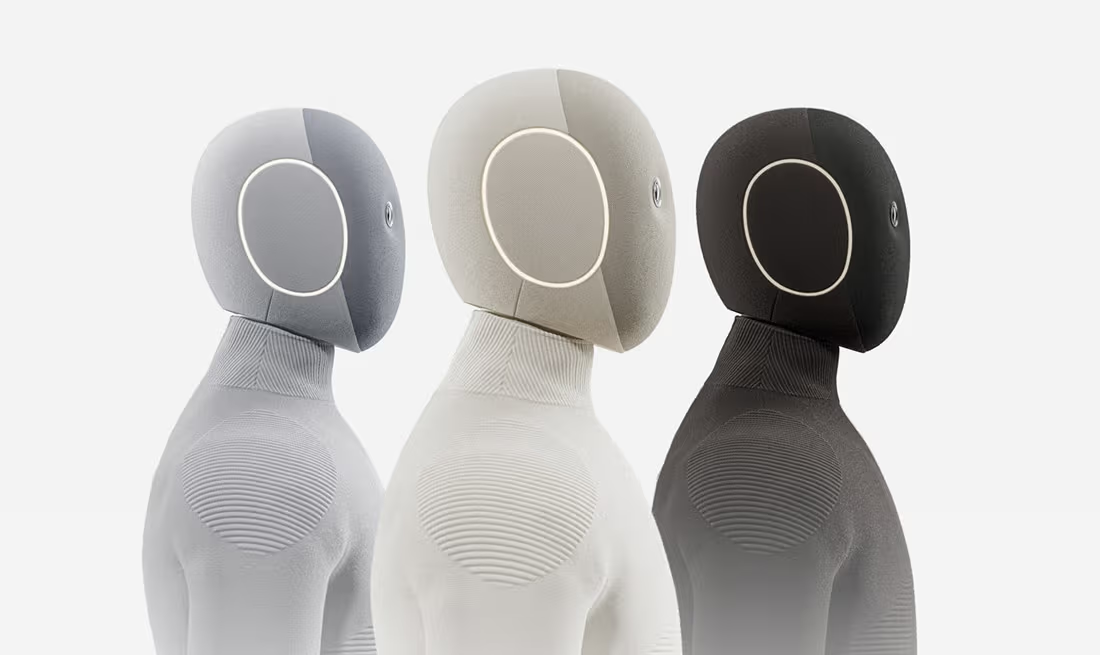

It can reportedly lift up to 69 kilograms and carry about 25 kilograms, making it both agile and capable of performing practical chores safely.
The robot is powered by advanced AI, including a large language model that allows it to understand commands, interact naturally, and remember contextual details such as grocery lists or scheduled activities.
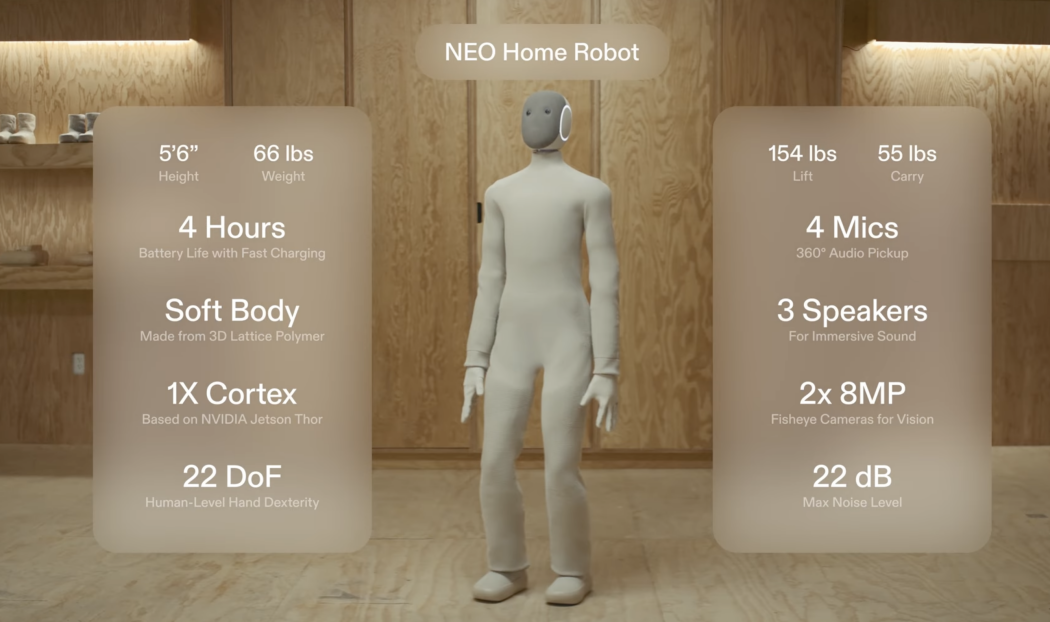
According to its developers, Neo can recognize objects, navigate complex environments and respond appropriately to real-world scenarios. It has also been designed with a memory system that helps it learn and adapt to household patterns over time.
Early hands-on reviews reveal that Neo’s “autonomous” performance is still largely guided by remote human tele-operators, and that tasks take considerably longer than one might hope. One reviewer noted that even simple chores required manual intervention and the pace was slow.
Another dimension of the concern revolves around privacy and reliability. Because Neo can be controlled remotely by company staff to teach new tasks, users must accept that the robot’s cameras and microphones may stream data externally.
There are also durability and safety questions even though Neo’s soft body and design prioritize safe human-robot interaction, the complexity of a real home environment, with stairs, pets, clutter and unexpected situations, presents far more variables than the controlled demos show.
Online Reactions
Reactions across social media platforms have been mixed. Many people expressed genuine fascination, viewing Neo as a milestone for robotics that could redefine how we live and work at home.
Others welcomed the potential benefits for elderly individuals or people with disabilities, noting that such machines could provide valuable assistance. Yet, some observers expressed discomfort, describing its presence as slightly uncanny or unsettling.
The sight of a humanoid figure performing familiar household routines left some questioning how ready society is to accept robots as domestic companions.
Pricing and access also shape the conversation. U.S. customers now have two options: a one-time purchase for US$20,000 (about KES 2.6 million), or a monthly subscription plan at US$499 (about KES 64,000).
The subscription option offers flexibility, while the outright purchase gives ownership and priority support. Deliveries begin in 2026 in the U.S., with global rollout expected thereafter.