




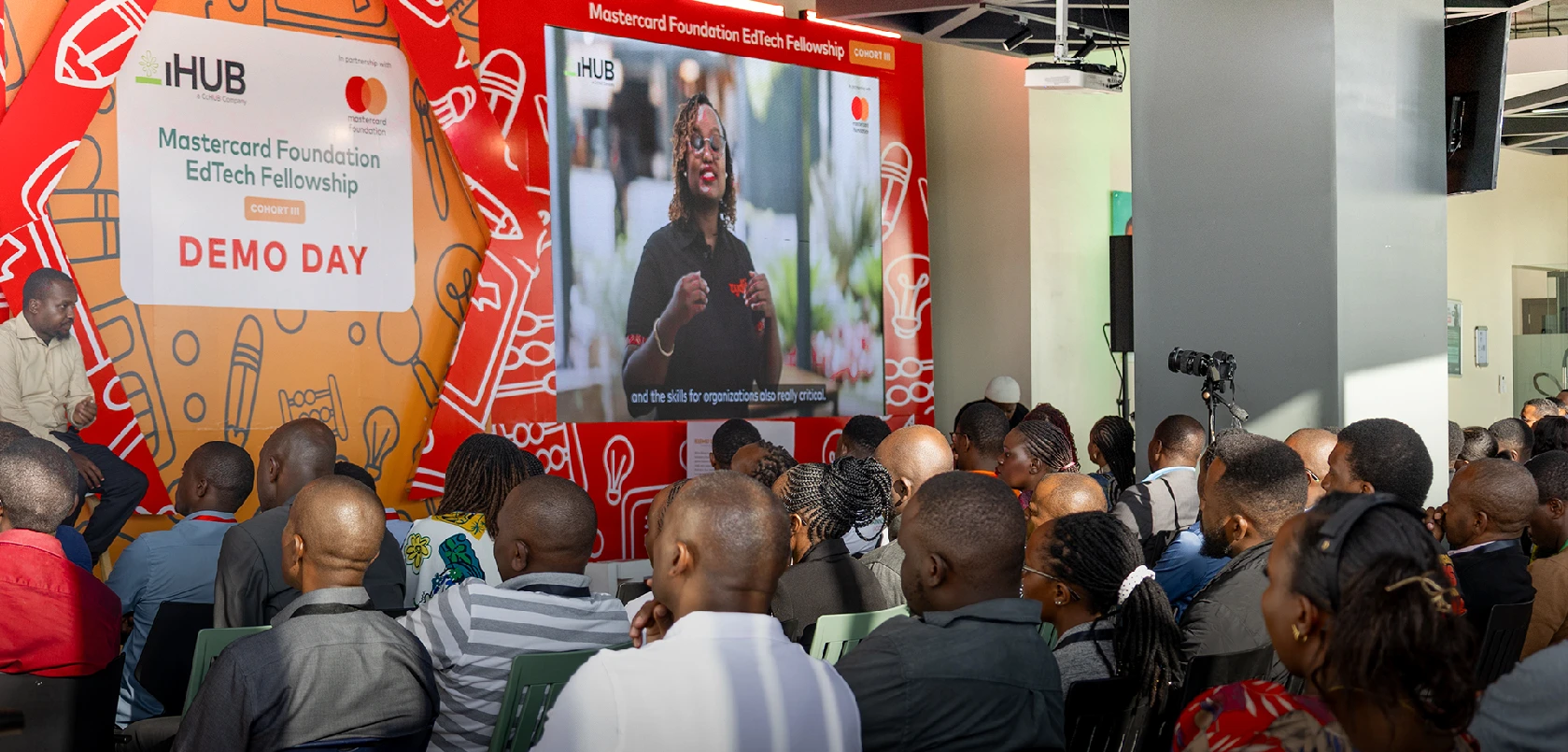
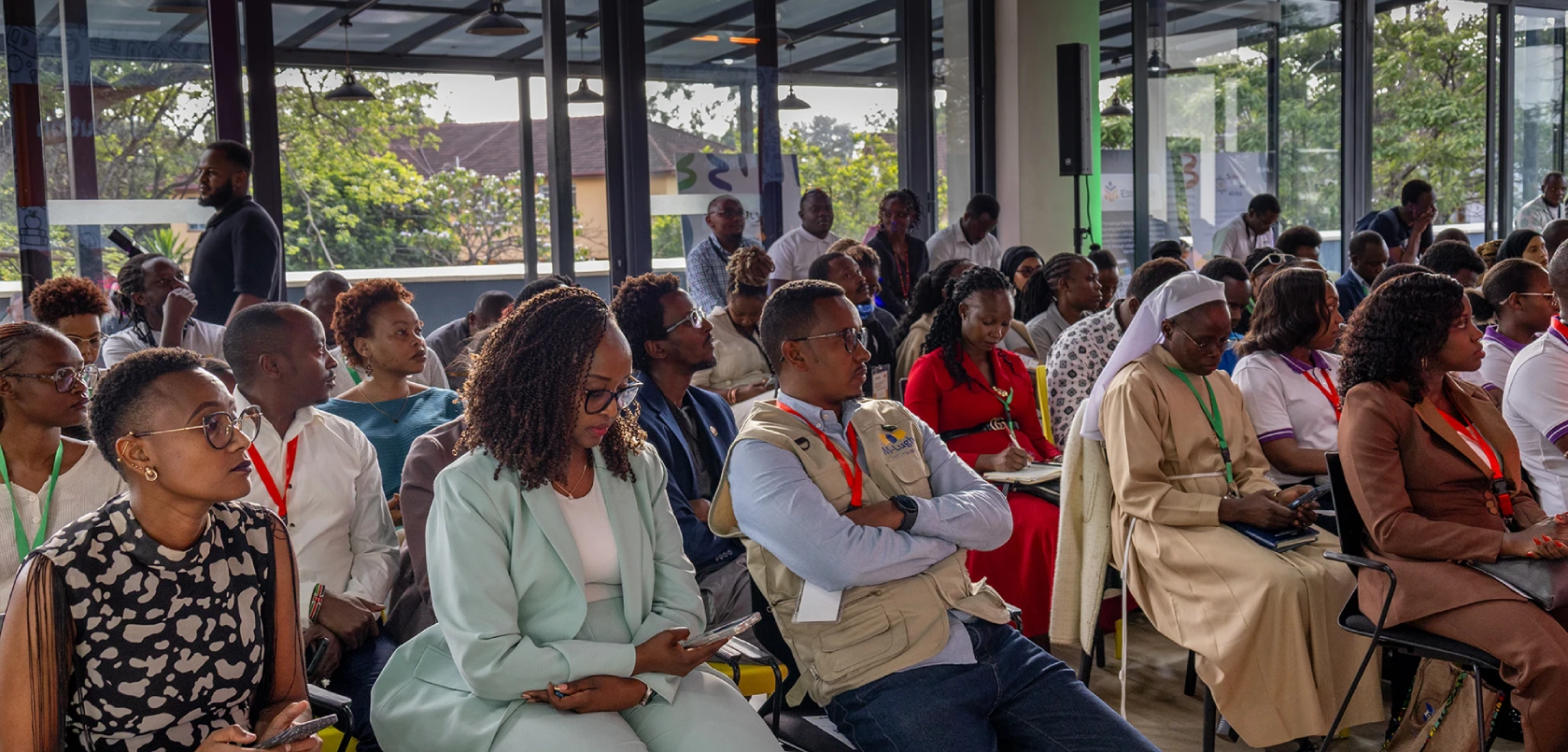
The Mastercard Foundation EdTech Fellowship Cohort 3 Demo Day, held on Thursday at the iHUB Event Space in Nairobi, brought together founders, innovators, investors, educators, and ecosystem players for a powerful showcase of high-potential EdTech solutions shaping the future of learning in Africa.
The Fellowship, implemented by iHUB, supports startups using technology to improve access to quality education, bridge skills gaps, and address learning challenges affecting millions across the continent.
This year’s Demo Day marked the official close of Cohort 3, spotlighting a new wave of EdTech startups building homegrown solutions for classrooms, teachers, and learners.
Live demonstrations of tools used in schools and communities, along with clear stories showing real improvements in learning, kept the attendees engaged.
The event also facilitated meaningful engagement between founders, funders, and education stakeholders, with discussions centered on policy, skills development, and the evolving EdTech landscape.
A Message of Purpose from the Mastercard Foundation
Speaking at the event, Suraj Shah, Head of Strategic Partnerships and Corporate Leadership at the Center for Innovative Teaching and Learning, outlined the Foundation’s commitment to building an education system that keeps pace with a rapidly changing world.
He stressed the need to create inclusive solutions that make it easier for people to access technology, introduce training programs that match today’s changing job market, and encourage better cooperation between government agencies, EdTech companies, teachers, and local communities.
Suraj noted that removing technology from schools while it exists everywhere outside the classroom creates a dangerous gap that the Fellowship seeks to bridge by supporting innovations built for real African learning environments.
Showcase: The 12 Startups of Cohort 3
The 2025 cohort featured 12 startups addressing literacy, school administration, digital skills, teacher development, and localized learning content.
1. DigiFunzi

A mobile-first platform delivering interactive, curriculum-aligned digital lessons designed to improve learner engagement and performance.
2. Zydii
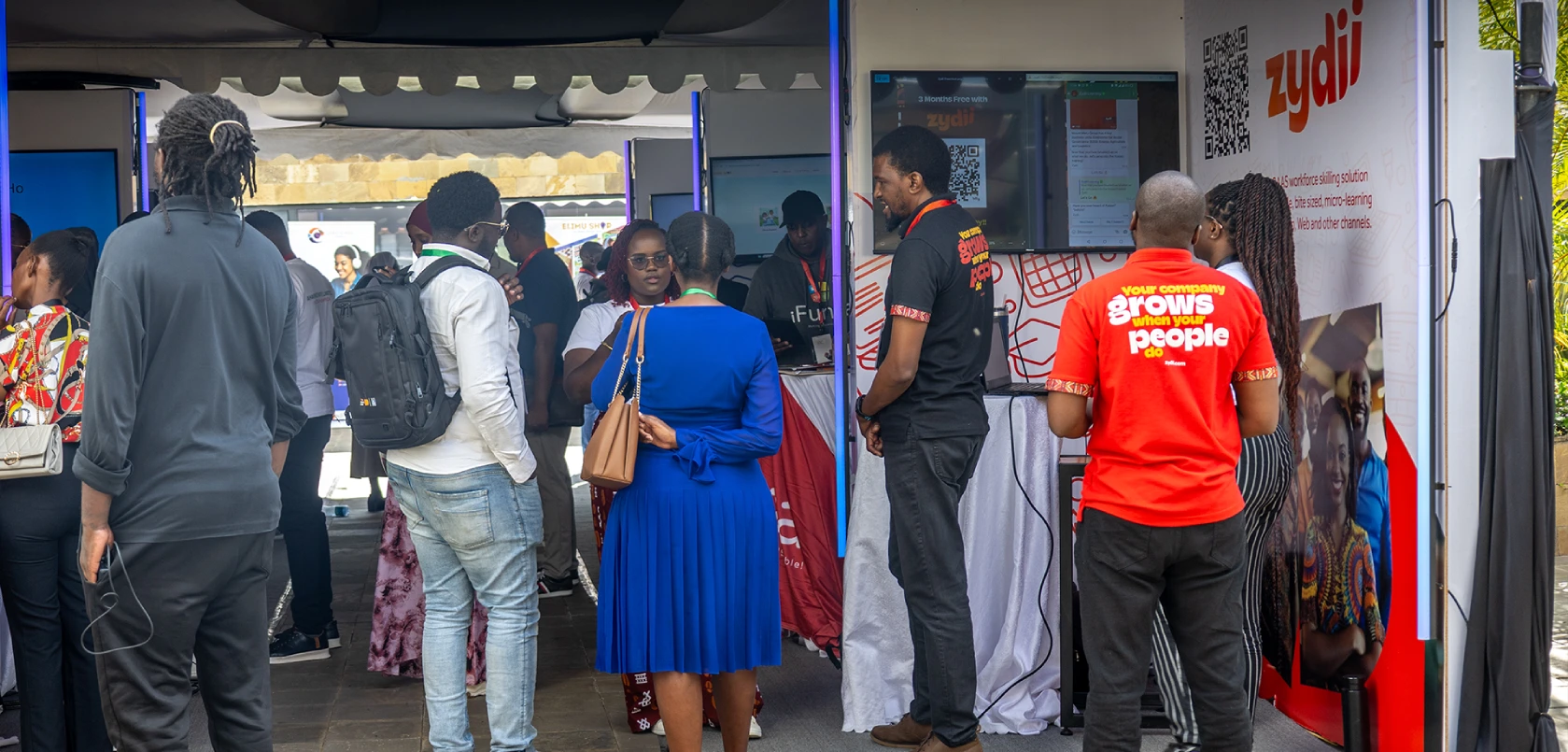
A digital skills provider offering localized, bite-sized online courses tailored for African learners and professionals.
3. AHAINNOVATE Ltd
EdTech solutions that strengthen learning delivery and accessibility across underserved regions.
4. Verb Education Ltd
Interactive literacy and numeracy tools aligned with Kenya’s curriculum and designed for both teachers and learners.
5. DigiSkool
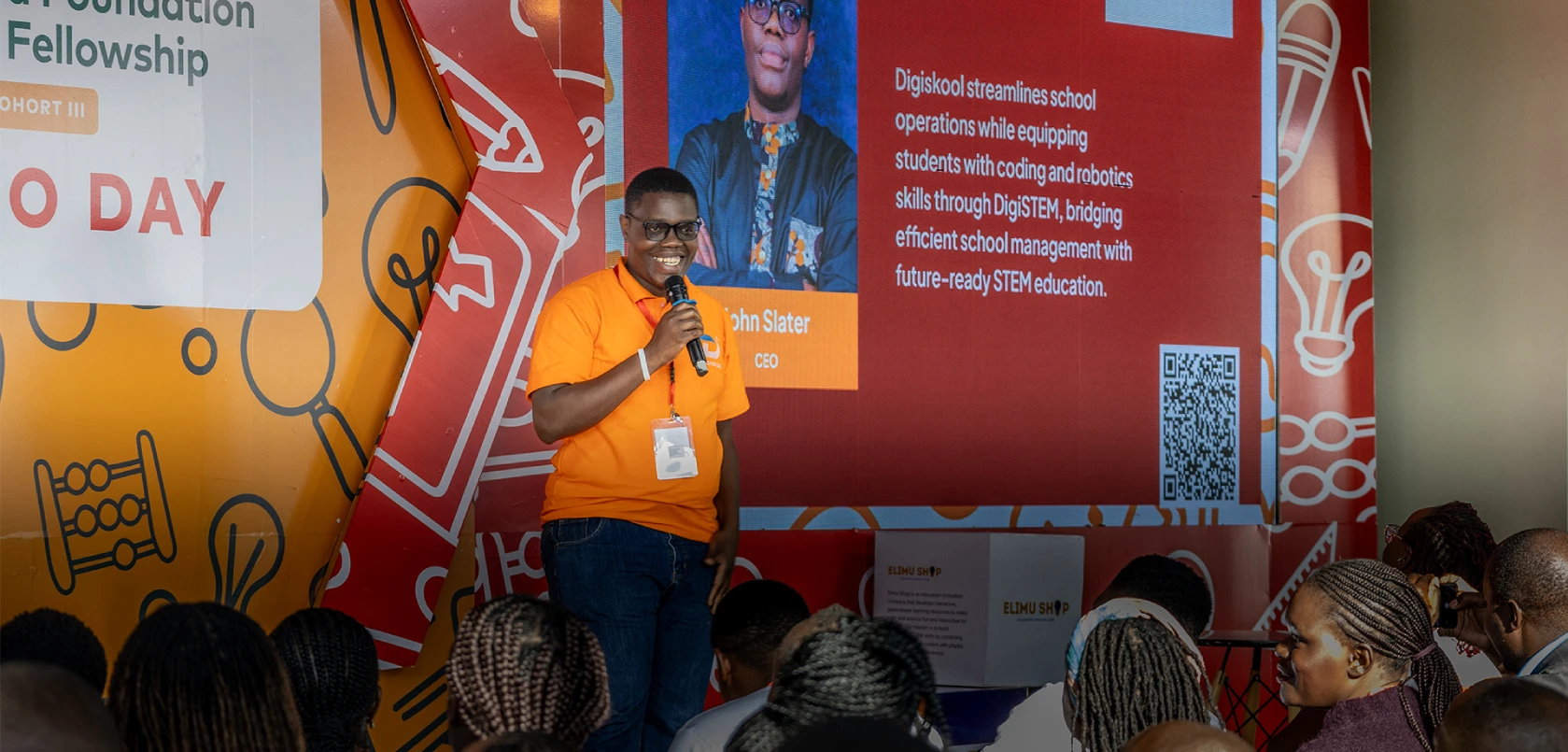
A smart school management system that simplifies communication, administration, and day-to-day operations for schools.
6. Nyansapo AI
AI-powered adaptive learning tools that personalize assessments and content for mastery-based learning.
7. M-Lugha Technologies
Digitizing local languages to support foundational literacy and early childhood education in mother-tongue environments.
8. Infoney Solutions Limited
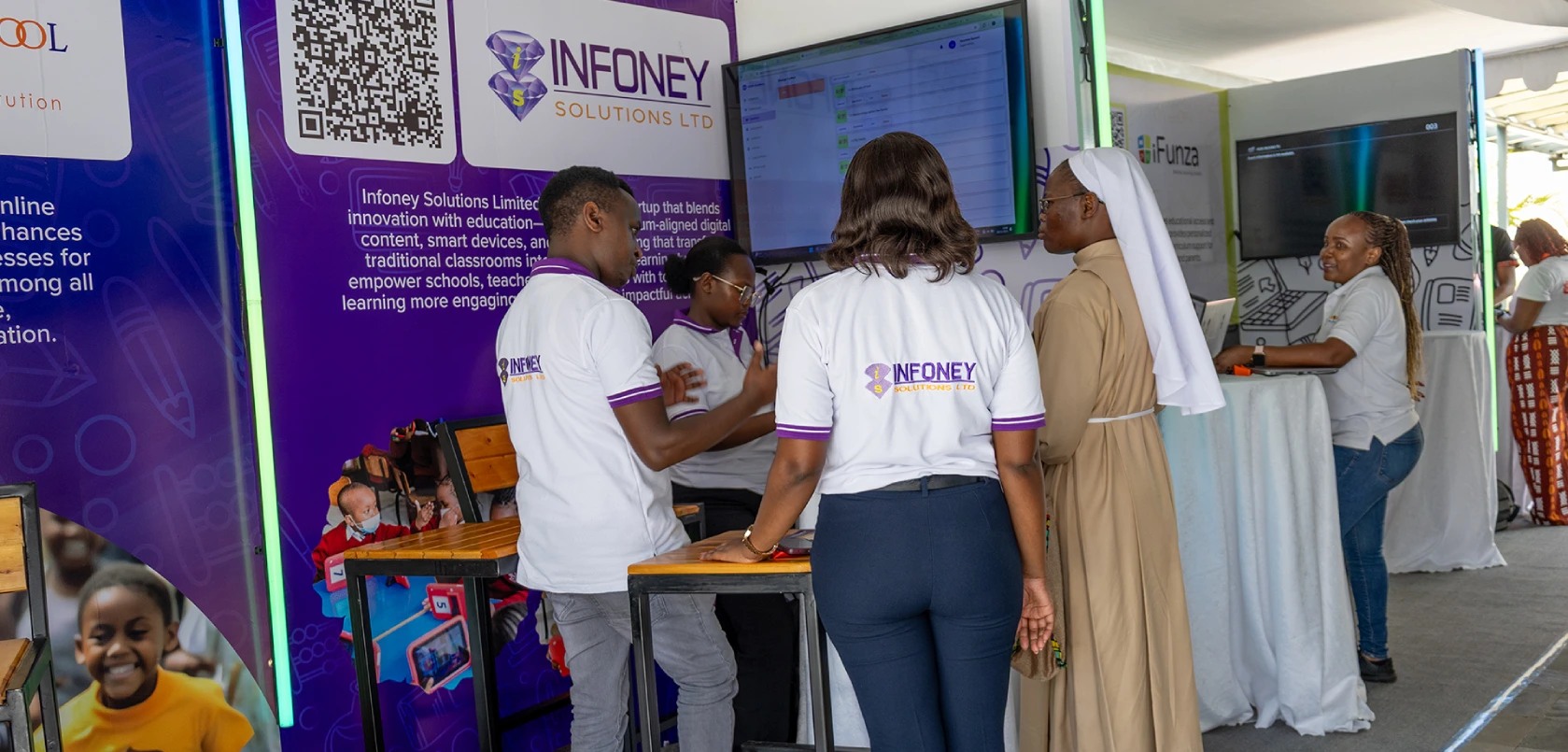
Digital solutions for school payments, communication, and streamlined administration.
9. iFunza
A teacher-focused platform offering digital content, analytics, and resources that strengthen instructional delivery.
10. Elimu Shop Limited
A marketplace for affordable, curriculum-aligned digital learning materials for both learners and teachers.
11. Cloud School System
A cloud-based school platform integrating attendance, academic tracking, communication, and analytics.
12. LeadNow by Dignitas
A digital leadership coaching and capacity-building platform for school leaders and educators.
During the event, each startup presented a demo illustrating how their solutions address real challenges in Kenyan and African education.
These innovations have already been adopted in schools, community centers, and training institutions. The solutions also reflect the ongoing shift toward competency-based and digital learning.
From AI-driven assessments to the digitization of local languages, these locally developed innovations showcased how technology is transforming classrooms and learning experiences across the region.
Over the past three cohorts, the Fellowship has proven that African EdTech startups can scale solutions that meaningfully transform learning outcomes.
As Cohort 3 wrapped up, the call to action was clear: the next phase is about scaling what works. With stronger products, refined models, and deeper networks, the startups now move into their growth journeys with renewed confidence.