




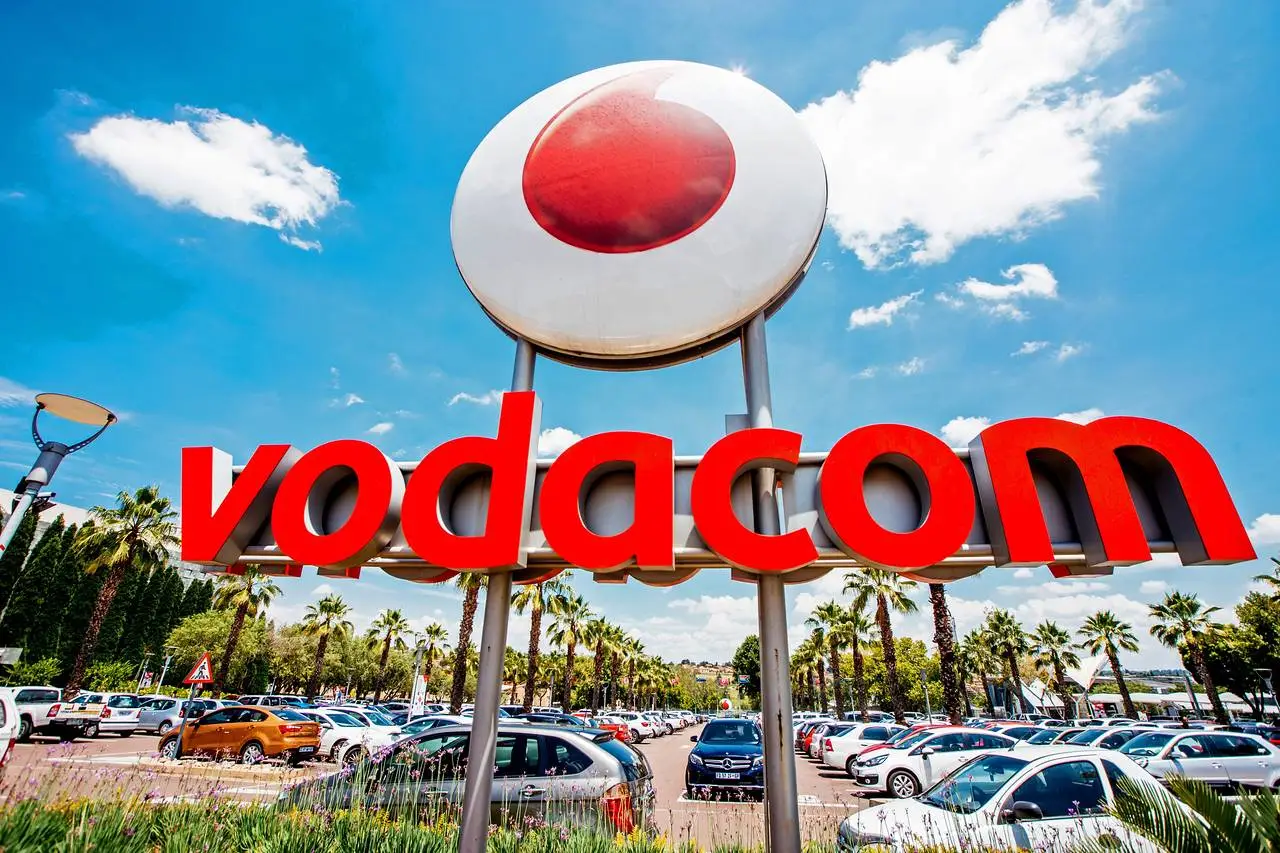
South African company Vodacom Group has indicated that it is ready to acquire a larger share in Safaricom once the Kenyan government begins the long awaited sale of part of its holding.
The development comes at a time when Nairobi is looking for fresh capital to ease growing financial pressure and reduce its reliance on new taxes.
Vodacom already owns just under 40% of Safaricom through its partnership with Vodafone. The company told investors this week that it expects to be consulted once Kenya formally opens the door for bids.
Executives noted that Vodacom always evaluates opportunities where existing partners show an interest in selling.
Kenya’s Treasury plans to sell part of its 34.9% stake before the end of the 2025/2026 financial year. The state hopes to raise the equivalent of more than $1 billion to boost government revenue. Officials have not yet disclosed how much of the stake will be offered to investors.
However, analysts say that even a sale of 10% could bring in one of the highest amounts ever generated through a single transaction in the East African capital markets.
Treasury Cabinet Secretary John Mbadi recently stated that the Safaricom sale would likely be the largest privatization attempt in nearly 20 years.
Kenya has struggled to complete privatizations in the past, including attempts to offload state ownership in sugar mills and hospitality properties. Safaricom’s own initial public offering (IPO) in 2008 was the last successful large scale state exit.
Safaricom remains the most profitable company in East Africa. In the full year ending 2024, the company posted a net profit of nearly KES 70 billion, supported by strong growth in mobile money services through M-Pesa as well as expanding data consumption.
In the first 6 months of the current financial year, revenue grew by more than 11% to reach nearly KES 200 billion. The company’s valuation stands at more than KES 1 trillion, placing it among the most valuable firms on the continent.
If Vodacom acquires a major portion of the government’s share, the deal could shift effective control of Safaricom to the South African operator.
Such a scenario would reshape the regional telecommunications landscape and increase Vodacom’s influence over East African digital infrastructure. For Kenya, the sale offers a critical financial lifeline at a moment when public pressure to avoid new taxation has intensified.
Despite clear interest from Vodacom, several uncertainties remain. Kenya’s privatization track record is uneven and political resistance may emerge.
Regulators will also have to weigh the implications of deeper foreign ownership in a company that handles vital national communications and financial services.