Bharti Airtel has renewed its partnership with Google to roll out Rich Communication Services (RCS) messaging on its network in India, ending a year-long standoff between the telecom operator and the US tech giant.
The move is a major shift in Airtel’s stance after previously distancing itself from RCS over concerns surrounding spam, regulation, and revenue models.
RCS is widely seen as the modern upgrade to traditional SMS, offering features such as read receipts, typing indicators, high-quality image and video sharing, file transfers, and improved group chats.
It brings the experience closer to what users get on popular internet-based messaging platforms like WhatsApp while still being tied to mobile numbers.
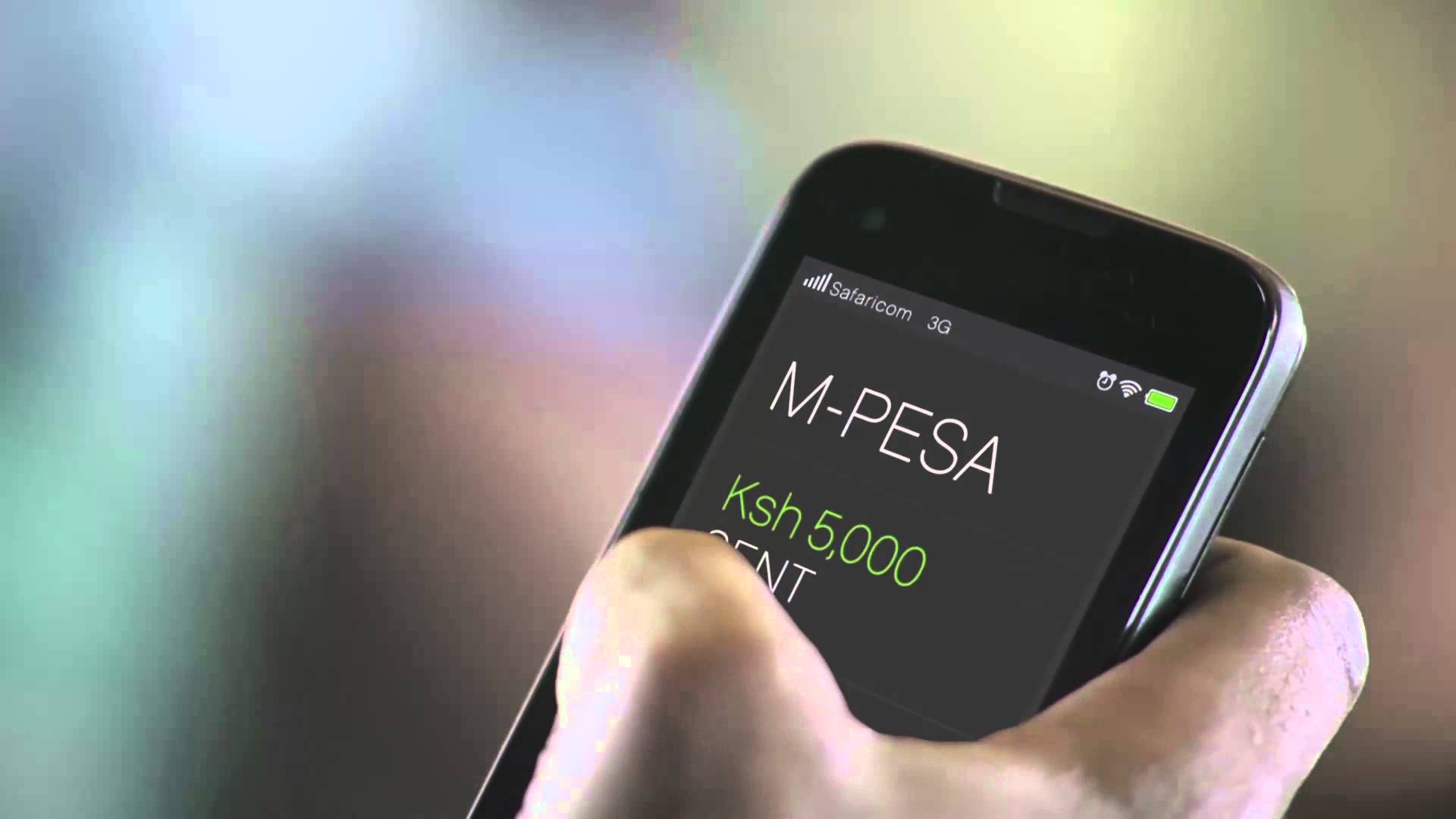
RCS messaging is not entirely new to markets like India and Kenya. The service was previously available through Google’s Messages app, even without full telecom operator integration.
However, its early rollout was quickly overshadowed by rising spam and scam abuse, especially from businesses that began using the platform for aggressive promotions.
In India, this situation triggered strong resistance from telecom operators, particularly Airtel, which raised concerns about customer safety, uncontrolled messaging traffic, and the risk of losing traditional SMS revenue.
As a result, Google scaled back parts of its RCS business messaging features in the country, while Airtel chose to stay away from offering direct network support for the service.
Just like India, Kenya had early access to RCS through Google’s Messages app. Users could enjoy rich chat features without full integration from mobile network operators.
With limited operator backing, weak enterprise controls, and the overwhelming dominance of WhatsApp, RCS quietly faded from active use without ever achieving full commercial rollout.
What Has Changed Now?
The renewed Airtel-Google partnership is a paradigm shift in the deployment of RCS in India.
This time, the rollout comes with stronger safeguards and a clearer commercial structure. The partnership introduces AI-powered spam detection to curb abuse, addressing one of the biggest issues that derailed the earlier rollout.
More importantly, there is now a defined revenue-sharing model that allows telecom operators to earn directly from RCS traffic, much like traditional SMS.
This gives Bharti Airtel and other operators greater incentive to support the platform while maintaining oversight of messaging activity on their networks.
India’s decision to revive RCS is driven by strong enterprise demand, large-scale digital adoption, and the continued importance of SMS in financial services and authentication systems.
In contrast, Kenya still relies heavily on WhatsApp and traditional SMS for both personal and business communication. Without a coordinated operator-led rollout or strong commercial incentives, RCS has yet to re-emerge at a national level.