




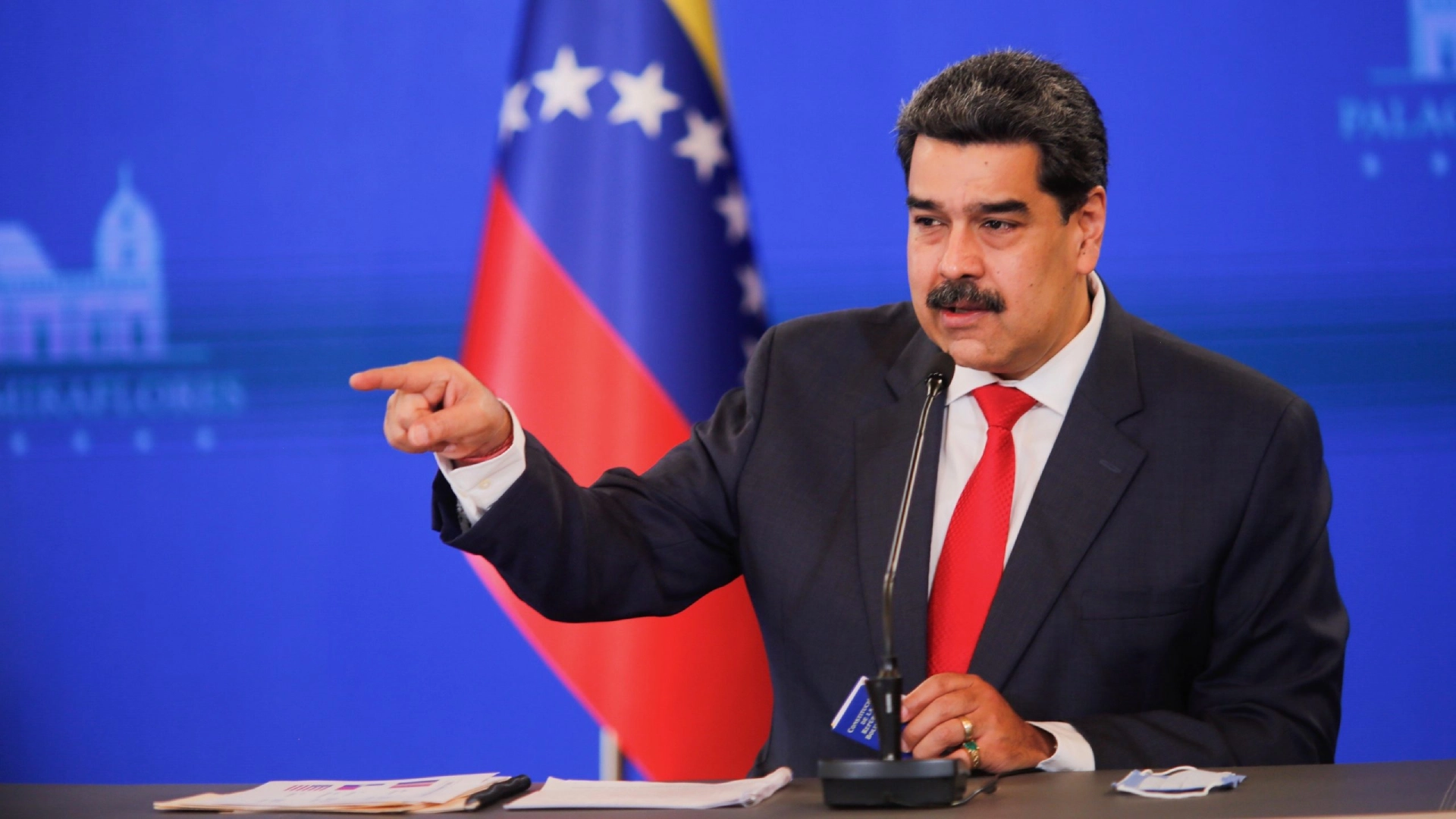
A newly created account on Polymarket placed over $30,000 (~ KES 3.9 million) in bets that Venezuelan President Nicolás Maduro would be removed from power on January 31, 2026, less than 24 hours before US military forces captured him in an early morning raid.
The account walked away with approximately $408,000 (~ KES 53 million) in profits.
As expected, the timing has raised obvious questions about insider trading. According to The Verge, the account was created less than a week before the operation, and the bet was placed just one day before American forces extracted Maduro from Venezuela.
Before Friday evening, the odds for “Maduro out by January 31, 2026” were trading at just $0.07 (~ KES 9). Then the betting pattern shifted dramatically, with multiple accounts suddenly clustering around predictions that Maduro would leave power imminently.
Polymarket had been running 6 different contracts on when or if Maduro would be removed, attracting $56.6 million in total bets. Most of that money ($40 million) had been wagered on earlier dates like November 30 or December 31, 2024, which came and went without incident. But in the hours before the actual operation, something changed.
The suspicious activity was quickly flagged on social media, with speculation that whoever placed the bet had access to classified information, possibly from within the Pentagon or other government circles.
Investor and podcaster Joe Pompliano stated on X that on prediction markets, “Insider trading is not only allowed; it’s encouraged.”
This isn’t the first time prediction markets have faced accusations of insider trading. These platforms have historically shown little interest in preventing such behavior, partly because they frame their value proposition differently than traditional financial markets.
They argue they’re selling information and insights, not creating a fair betting environment.
The markets are already pricing in Maduro’s extended detention. As of now, bets on his release by January 9 sit at just 1% probability, and release by the end of 2026 stands at only 15%.