





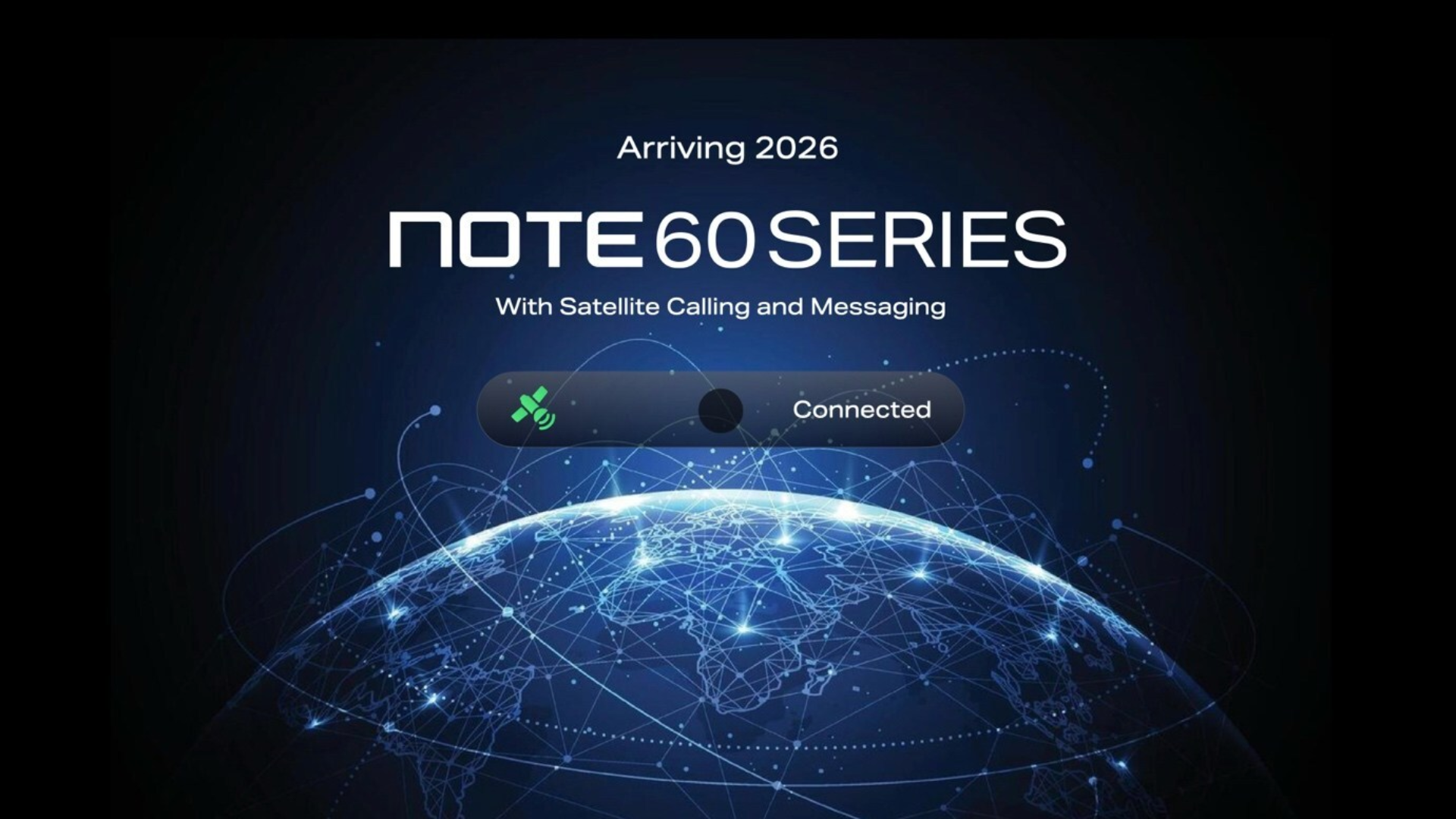
Infinix used CES 2026 to unveil its Note 60 series, and the headline feature is something most phone makers are still treating as an emergency-only gimmick: satellite calling that actually works like a regular phone feature.
The company claims its satellite system covers nearly two-thirds of Earth’s surface and doesn’t need any special registration or manual network switching. The phone automatically bounces between regular cell towers and satellites depending on what’s available.
At 4Kbps transmission speeds, you’re not streaming anything, but Infinix says it’s enough for HD voice calls and two-way text messages. The system works with Bluetooth headsets and speakerphone mode, which matters when you’re actually trying to use it outdoors.
This is different from the limited satellite features on current phones that only work in specific regions like North America or China. Infinix is positioning this as daily-use connectivity for remote areas, not just an SOS button.
Infinix has announced its HydroFlow liquid cooling technology, a system that uses dual piezoelectric ceramic pumps to push coolant through the phone at 6.5ml per minute, which is apparently twice the speed of conventional active cooling systems.
The cooling channels cover the entire mainboard’s heat sources. It will not be available on the Note 60 series, as the company says the system is planned for future models.
For now, the Note 60 relies on standard cooling methods, with HydroFlow cooling tech expected to debut in upcoming devices.
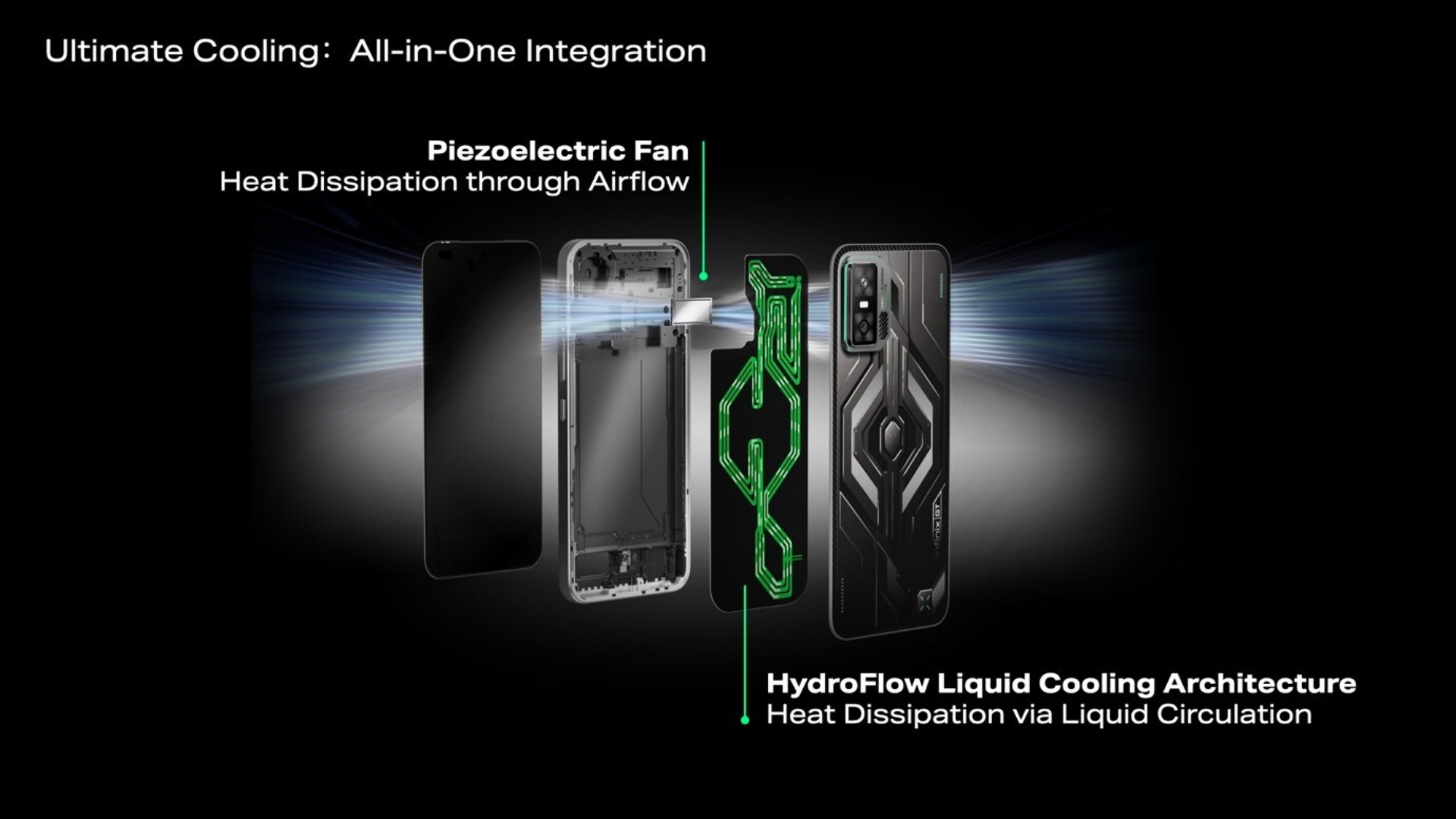
Then there’s the piezoelectric fan, which ditches traditional rotating blades for a 0.1mm vibrating sheet that pulses 25,000 times per second.
The ultra-thin design generates high-pressure airflow that Infinix claims dissipates heat ten times more efficiently than spinning blades and does it quietly since there are no moving parts to create noise.
The combination of liquid cooling and this solid-state fan is meant to handle extended gaming sessions and heavy AI processing without the phone getting uncomfortably hot.
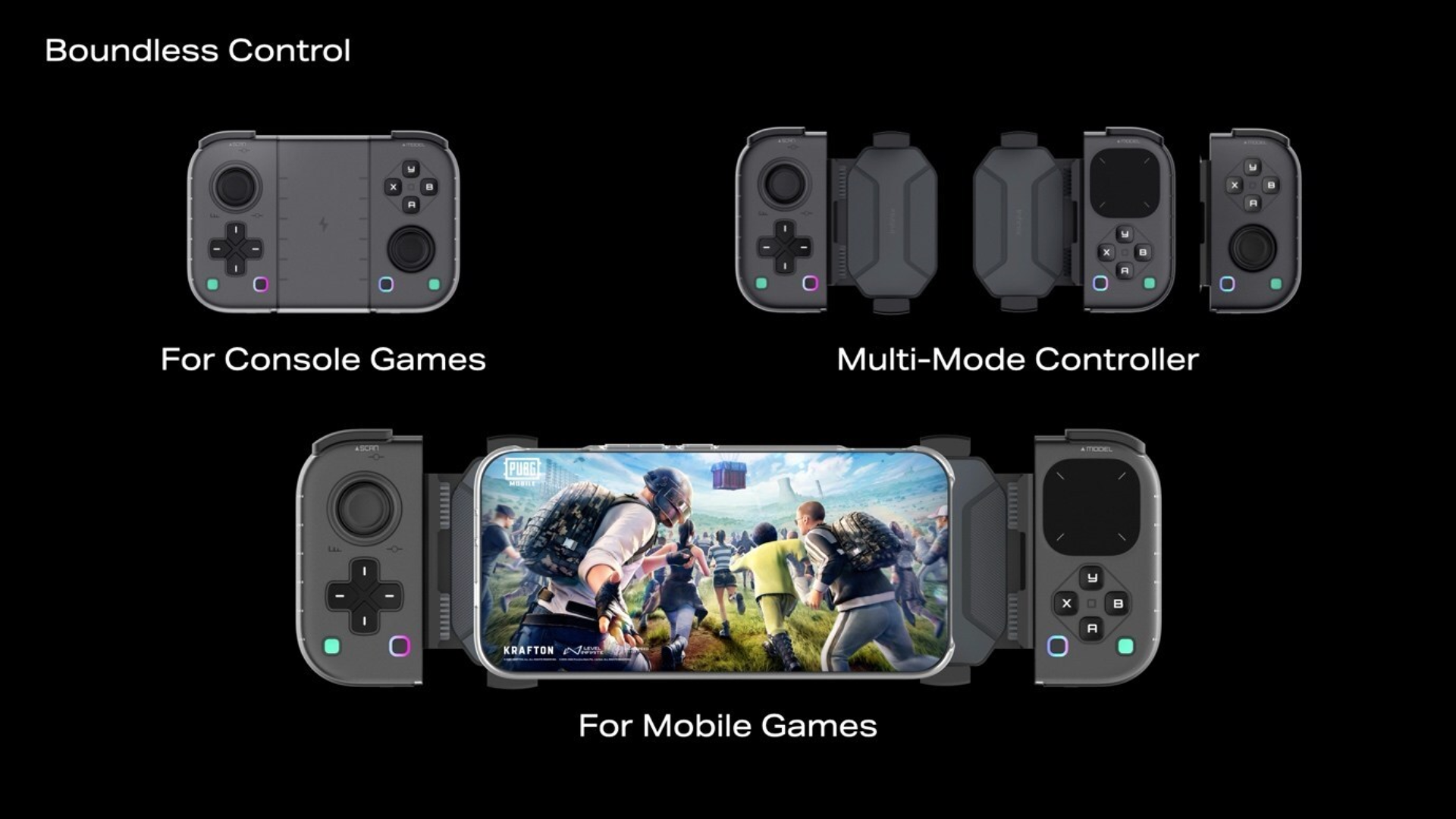
On the gaming front, Infinix introduced a split controller with a pressure-sensitive touchpad and wireless magnetic triggers using micro-switches. The company is clearly trying to appeal to mobile gamers who want console-style controls.
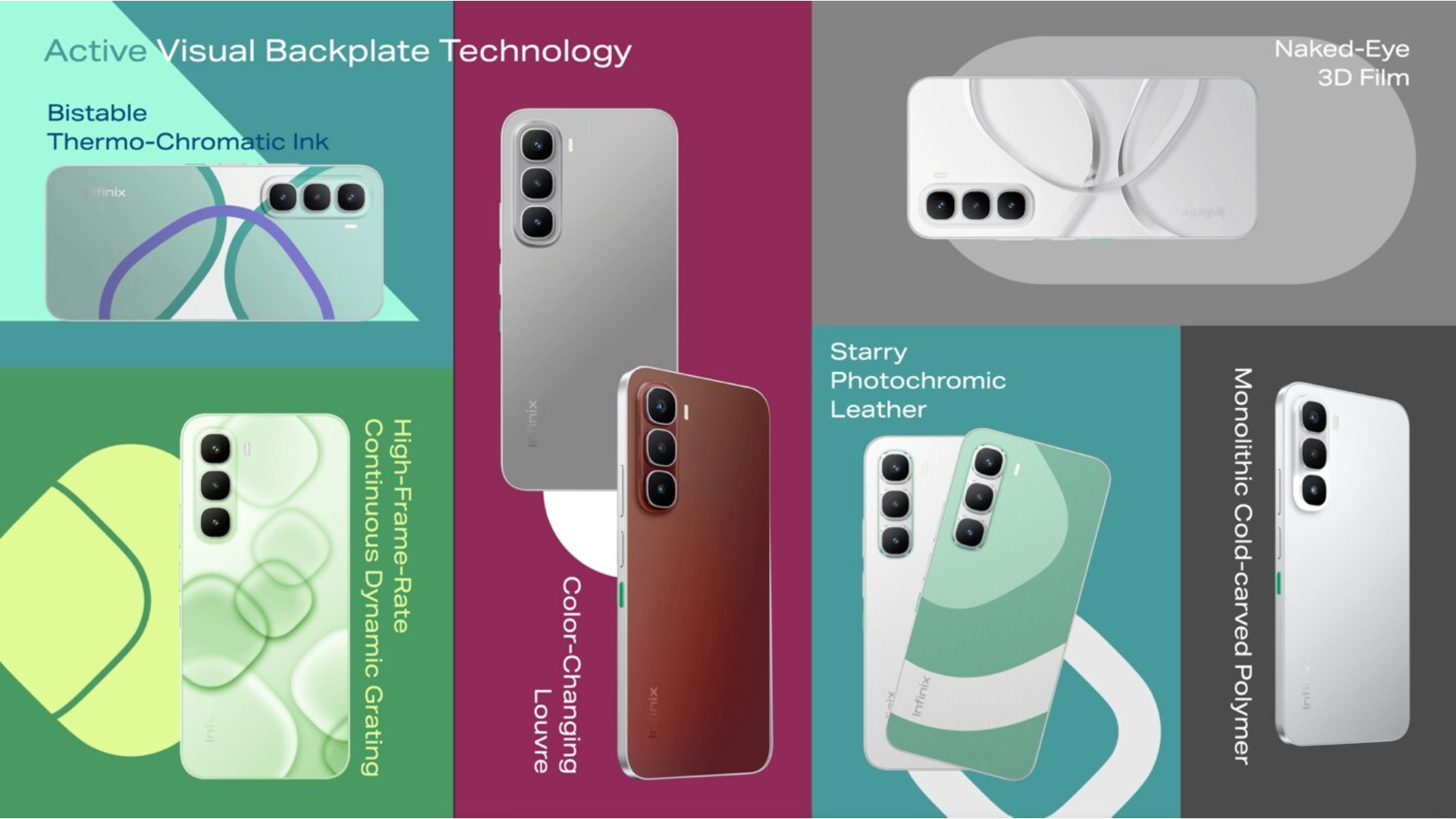
The more experimental design elements, like photochromic leather and thermochromic ink that change color with light and temperature, are coming to Infinix’s Hot series, not the Note 60 lineup.
Infinix built in optical microstructures that create color shifts, animations, and 3D effects depending on the viewing angle, all without draining the battery. It’s purely visual trickery through light manipulation.
For the Note 60 series, Infinix is taking a different direction, focusing instead on a premium look shaped through a new co-design partnership with Pininfarina.
Infinix recently announced that its next flagship phone will be designed by the legendary Italian firm behind some of Ferrari and Alfa Romeo’s most iconic designs.
The Infinix Note 60 Ultra will be the first device from this collaboration, and is set to launch in early 2026. For now, Infinix is keeping details under wraps, saying it will reveal the design philosophy and full specifications later.
Infinix also announced AI ModuVerse, a magnetic accessory system that snaps onto the phone. The modules include a professional microphone with noise reduction, a sports camera with anti-shake, a meeting module that handles translation and note generation, an expandable battery pack, and a vlog camera with AI subject tracking and gesture controls.
The idea is to turn the phone into a specialized tool for whatever you’re doing instead of buying separate devices. Infinix hasn’t announced pricing or a release date for the Note 60 series yet, but the company appears to be trying to stand out with features that go beyond incremental spec bumps.