




In an effort to optimize voter registration ahead of the 2027 general elections, the Independent Electoral and Boundaries Commission (IEBC) has unveiled plans for a digital voter pre-registration platform.
The system is intended to streamline the registration process and expand access, particularly for younger Kenyans who make up a significant share of the population but remain underrepresented in the voter register.
Kenya has operated a continuous voter registration system since September 2025, yet uptake among younger voters has been slower than expected.
One explanation advanced by the IEBC is that the current process relies heavily on physical registration centers. An approach that may come across ill-fitting for a population that increasingly interacts with services online.
From mobile banking to government e-services, digital platforms are becoming the default interface for many Kenyans.
READ: IEBC Opens Continuous Voter Registration for 2027 Elections
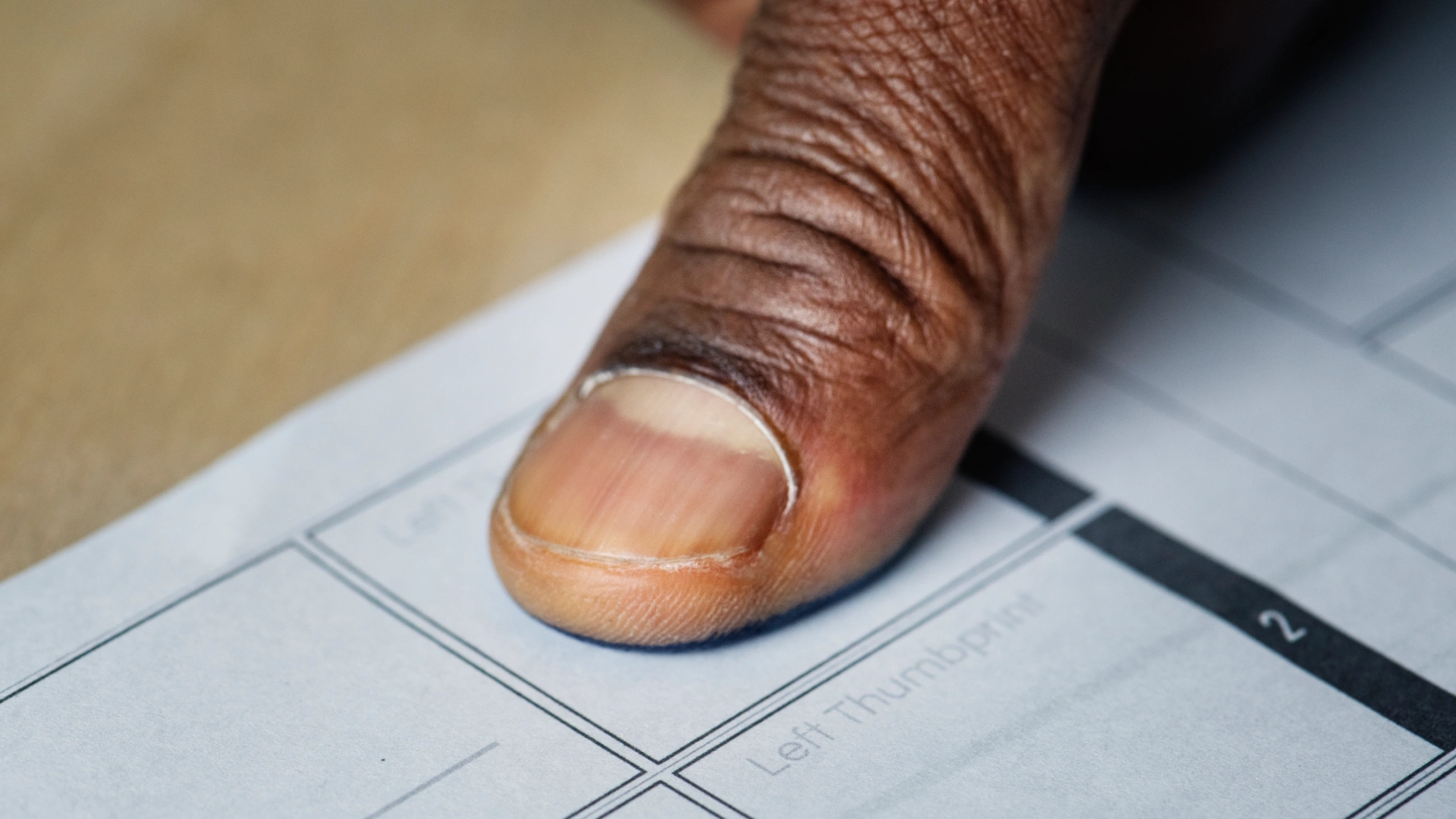
The proposed pre-registration platform aims to bridge this gap. Through the platform, prospective voters would enter their personal details using secure links before making a quick in-person visit to a Huduma Center to capture biometric data.
By splitting the voting process into a digital and a physical component, the IEBC hopes to reduce queues, minimize paperwork, and improve overall efficiency. Not all explanations for low youth registration are technological, however.
Some observers argue that economic pressures such as unemployment and the high cost of living have contributed to the disengagement. There’s also skepticism about whether electoral participation translates into meaningful change. These concerns highlight the limits of technology as a standalone solution.
In parallel with the digital rollout, the IEBC has announced a mass voter registration exercise scheduled for March 29. It will set up temporary registration centers planned at the ward level to extend reach. The pre-registration platform is expected to support this drive by shortening processing times.
The commission has set an ambitious target of registering roughly 6 million new voters before 2027. Whether digital pre-registration can materially help achieve this goal will depend not just on adoption. It will also depend on the reliability, accessibility, and public trust in the platform itself.