




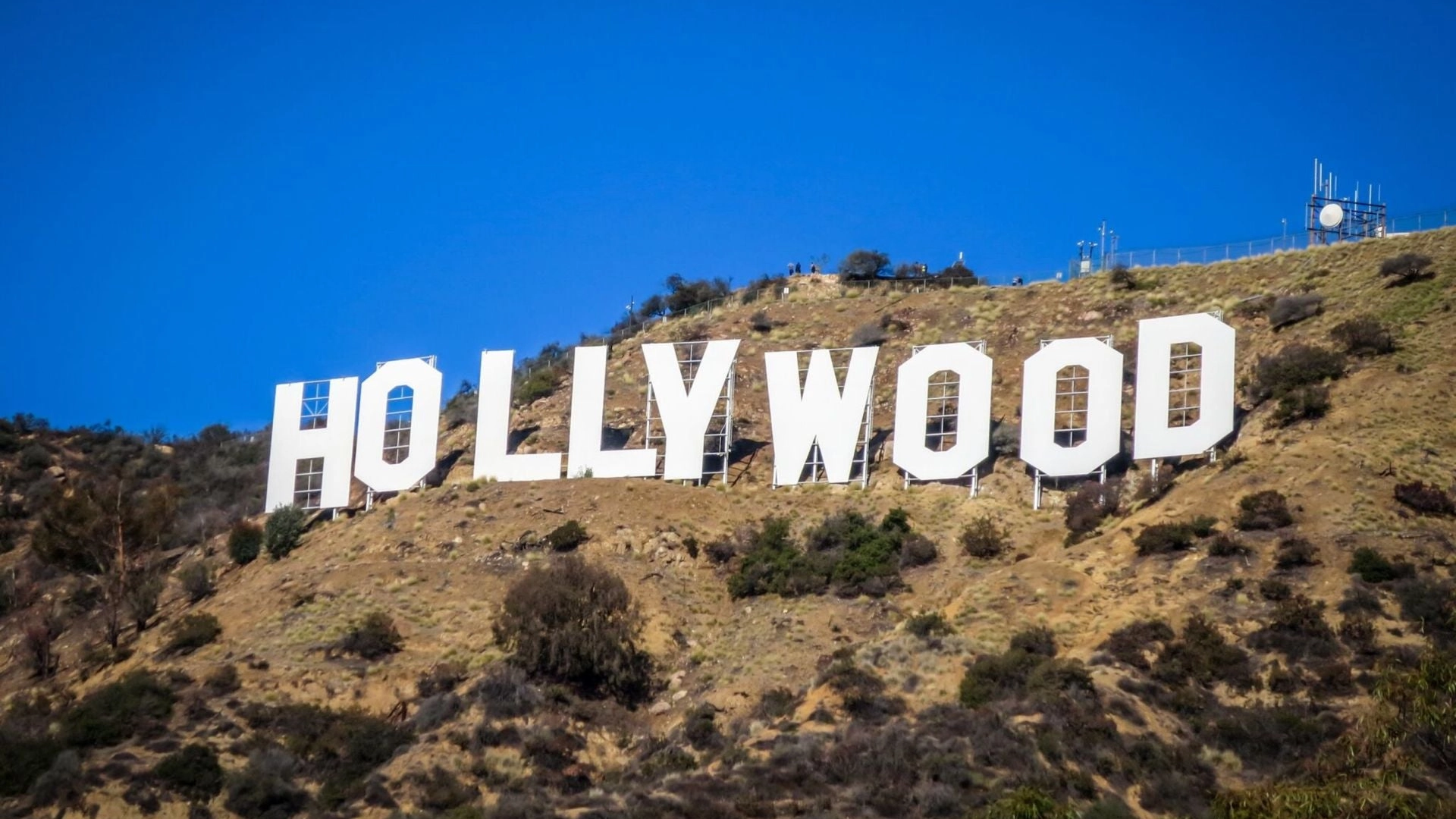
There’s a new super-villain in Hollywood, but this time they’re not in the blockbuster. What once needed actors, sets, and millions of dollars can now be reproduced with a two-line prompt. Yes, boys and girls, I’m talking about Seedance!
Seedance 2.0, a powerful new AI video tool from ByteDance, has sparked a major legal and industry crisis in Hollywood. The Motion Picture Association, Disney, and Paramount have all taken action, sending cease-and-desist letters and alleging widespread copyright infringement.
Concern grew after a viral AI-generated clip showed “Tom Cruise vs. Brad Pitt fighting on a rooftop,” reportedly made with just a two-line prompt.
Similar AI creations featuring characters from Star Wars, Marvel, Spider-Man, and Lord of the Rings prompted strong and immediate reactions from Hollywood stakeholders.
Disney has accused ByteDance of building Seedance 2.0 using a vast collection of its copyrighted characters without permission, effectively treating valuable IP as if it were freely available public material.
The MPA has backed that position, arguing that the AI tool relies on the large-scale unauthorized use of copyrighted works and lacks adequate safeguards to prevent infringement.
As a result, many creatives have begun to question if this is the beginning of the end or simply another tech fad Hollywood will learn to weather.
For more than a century, Hollywood has survived predictions of its own demise. Sound was supposed to upend silent-era stars. Television was blamed for draining cinema halls in the 1950s. VHS tapes were accused of emptying theaters in the mid-to-late 1980s.
Recently, streaming platforms have been seen as threatening to dismantle the studio system entirely. Yet each time, the industry adapts, reshapes itself, and moves forward.
The one thing that has stayed constant is that technology changes the business, but storytelling remains at the heart of it.
READ: TikTok Trend Report Says AI Can’t Replace Human Creativity
However, AI presents a sharper disruption because it strikes directly at production itself. Traditional Hollywood has long relied on high barriers to entry, such as massive capital investment, specialized crews, and tightly controlled intellectual property.
AI tools have the capability to lower those barriers drastically. Independent creators can now produce visually advanced content without studio-level resources.
Even well-known directors are experimenting with AI. A great example is Darren Aronofsky’s AI-driven project Primordial Soup, which is partnering with Google DeepMind to explore generative AI in filmmaking.
This democratization threatens two core pillars of the studio system. First, the economics: if production costs drop significantly, the benefit of large-scale operations decreases.
The dominance of a few major studios becomes harder to justify when high-quality visuals are more affordable. This helps explain why Disney is closely watching the case, as it controls about a quarter of Hollywood’s box office.
Second, there is the issue of intellectual property. AI systems learn by analyzing millions of images and videos, including copyrighted content, which blurs the line between ownership and authorship.
Studios argue that their characters and franchises should not be used as training data without permission. Lawsuits are now underway to determine whether AI companies must pay studios when they use their characters.
The legal precedents set from these cases could ultimately determine how, and to what extent, AI developers are permitted to draw from Hollywood’s intellectual property.
This will shape the balance between creative borrowing and protected ownership in the age of generative AI.
Hollywood’s response has been neither passive nor purely defensive. Studios and trade associations have pursued aggressive litigation to protect their intellectual property and push AI developers toward licensing agreements.
The goal is that if AI models benefit from studio-owned content, that use must be legally recognized and compensated.
At the same time, major studios are exploring partnerships and adopting AI internally. In December 2025, The Walt Disney Company signed a three-year, $1 billion partnership with OpenAI to integrate its characters into the Sora AI video generation tool.
These licensing deals and in-house AI experiments show that Hollywood sees AI as an inevitable tool.
For now, AI’s immediate impact is likely speed. Tasks like visual effects, 3D modeling, storyboarding, touch-ups, and dialogue fixes could be completed in a fraction of the time.
The real concern behind the panic over Seedance 2.0 isn’t the technology itself but the control. If anyone can generate a Spider-Man scene on their laptop, who truly owns Spider-Man?