




The Kenya Revenue Authority (KRA) has brought over 500 fuel stations onto its new digital tax system, called the eTIMS Fuel Module, since rolling it out in December 2025.
That number sounds significant until you realize it’s only about 16% of fuel stations across the country, which means the vast majority are still operating outside the system.
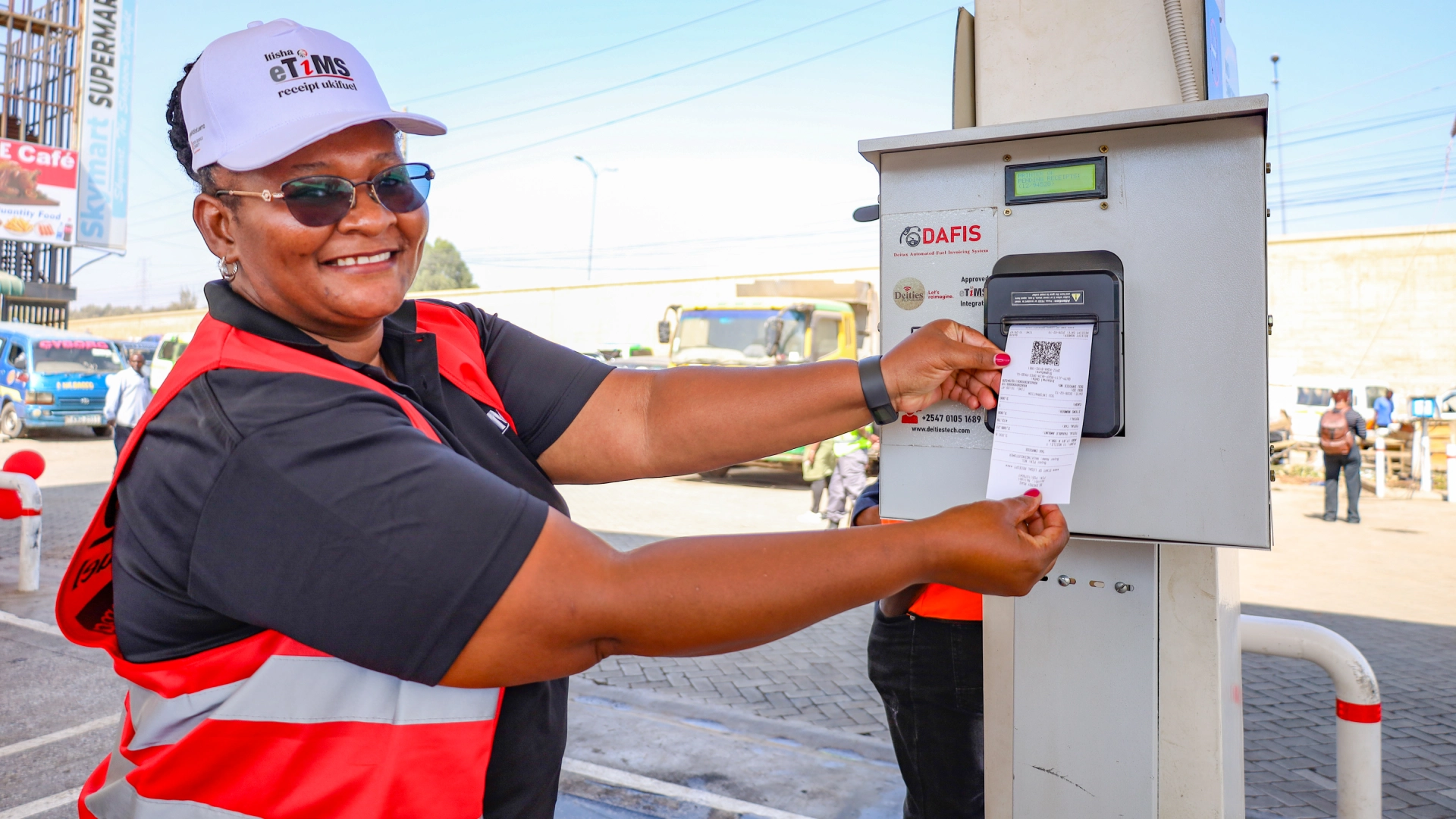
The module is essentially a real-time tracking system for fuel transactions. When you fill up at a participating station, it generates an instant electronic receipt tied to KRA’s tax infrastructure.
READ: Kenyans to Pay More for Electricity and Fuel Under New Energy Fund
Behind the scenes, the system cross-references how much fuel a station physically receives against how much it declares in sales, a check that didn’t exist before in any automated way.
That gap between physical volumes and declared sales is where a lot of revenue was slipping through.
The system doesn’t just sit at the pump level either. It tracks fuel from the moment it’s imported into the country, through storage and distribution, all the way to the retail sale.
KRA is pulling in pricing benchmarks and import data from the Energy and Petroleum Regulatory Authority (EPRA) to build a picture of what tax revenue should be coming in at every point in that chain, so discrepancies are easier to spot.
All Oil Marketing Companies (OMCs) have now been moved under KRA’s Large Taxpayers Office, which means they get more direct oversight and faster resolution when compliance issues come up, but also less room to operate under the radar.
KRA piloted the system with volunteer stations between September and December 2024 before going nationwide in January 2025. The original compliance deadline was June 2025, but industry stakeholders pushed back and got an extension to December 2025.
With 84% of stations still not on the system, it’s clear the extension didn’t fully do the trick.
KRA says it’s not immediately going heavy on enforcement, as the messaging from the event where this was announced leaned toward encouraging stragglers to get on board voluntarily. Whether that patience holds as the rollout drags on remains to be seen.
The tax authority has requested consumers to ask for an eTIMS receipt every time they purchase fuel. That receipt is what triggers the transaction being logged in the system, and without it, the sale can go unrecorded.