





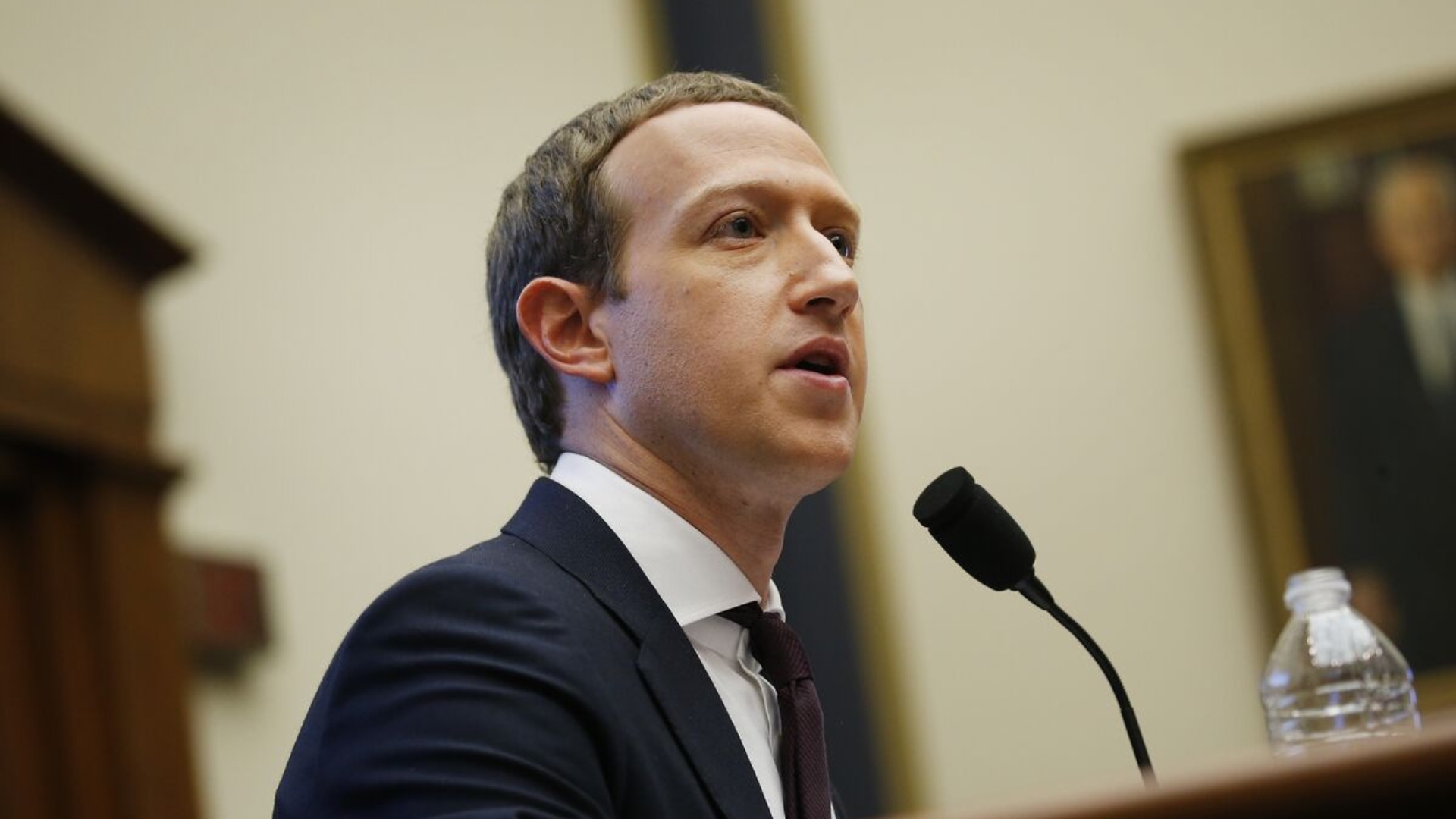
Meta CEO Mark Zuckerberg has testified in a landmark civil trial at the Los Angeles County Superior Court. This case represents a watershed moment in the legal battle over the impact of social media on youth mental health.
The trial is the first of its kind to bring a major tech executive before a jury to answer claims that their platforms were deliberately designed to be addictive and harmful to children.
Further, the case is part of a wave of more than 40 lawsuits filed by state attorneys general alleging that Meta put advertising revenue ahead of the mental health of young users.
Mark Zuckerberg is testifying due to his central role in the development and operation of Meta. As the chief architect of the company’s business model and product strategy, his decisions shaped how platforms like Facebook and Instagram are designed to capture and retain attention.
READ: Zuckerberg Defends Meta in Court Over Instagram and WhatsApp Deals
Plaintiffs argue that these platforms were intentionally engineered using behavioral psychology techniques, comparable to mechanisms used in slot machines, to keep users scrolling, reacting, and returning.
The goal, they claim, was to maximize engagement and, ultimately, advertising revenue, even if that meant exposing young users to features that could encourage compulsive use.
The central question in the lawsuit is whether Meta understood the risks its products posed and failed to respond appropriately. Internal communications reportedly indicate that executives recognized the platforms’ potentially addictive qualities and the possibility of worsening anxiety and depression among teenagers.
Despite public assurances about safety, the company has been accused of failing to implement strong enough protections, including reliable age verification systems and more effective safeguards against harmful or predatory content.
Mark Zuckerberg testified that Instagram did not target children under 13, even as internal documents showed the company viewed “tweens” as an important market.
The court is set to review Zuckerberg’s testimony to determine what leadership knew, when they knew it, and whether Meta’s public commitments matched its internal realities.
A verdict against Meta could result in damages exceeding the company’s total assets while also setting a precedent that might extend liability to video games, generative AI, and other digital services built around user engagement.