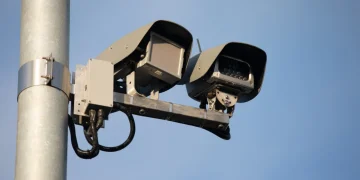





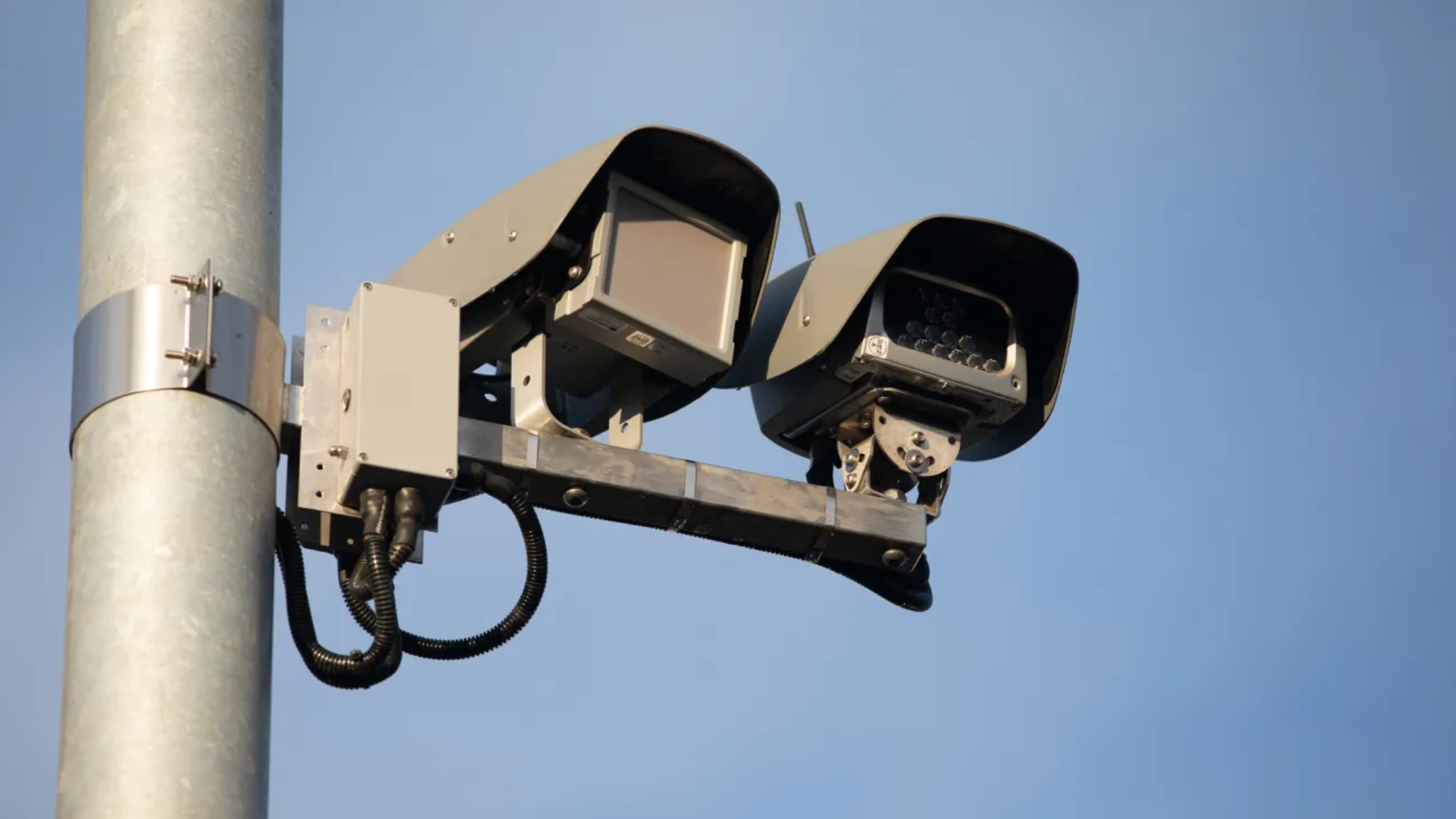
The National Transport and Safety Authority (NTSA) is deploying 1,000 new speed cameras across the country, but the project is bigger than the cameras alone.
The rollout is part of a broader system called the Integrated Transport Management System (ITMS), which is an effort to move traffic enforcement away from manual policing and toward automated, technology-based management.
Of the 1,000 cameras, 700 are fixed installations and 300 are mobile units. They are going up first on major roads, including the Thika Superhighway, Mombasa Road, and the Southern Bypass, with more routes expected to follow.
The cameras are built to detect a range of offenses beyond speeding, including red-light jumping and illegal maneuvers.
READ: Kenya Among the Most Dangerous Places to Drive in the World
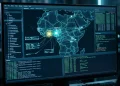
When a violation is recorded, the evidence is sent to a National Control Command Centre, an SMS is dispatched to the registered vehicle owner, and a fine is posted to their NTSA account, all without a traffic officer needing to be present.
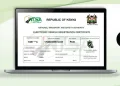
The cameras are just one component of the ITMS. The system also introduces Smart Driving Licenses, which are physical cards embedded with a microprocessor chip that has a driver’s history and biometric data.
NTSA plans to link a driver’s record directly to offenses detected on the road, eventually enabling a demerit points system that tracks behavior over time rather than treating each fine as an isolated event.
The project is being implemented through a Public Private Partnership under the PPP Act of 2021. Under the arrangement, the private partner will handle everything, including the design, financing, installation, and maintenance, and will recoup its costs through regulated fees over the contract period.
The government gets the technology without having to foot the full bill upfront, while the private partner takes on the financial risk in exchange for a long-term revenue stream.
The project followed a 6-month pilot that began in November 2024. Transport Cabinet Secretary Davis Chirchir confirmed that the data gathered during that phase was sufficient to move forward with the wider rollout and procurement of additional cameras.
NTSA has noted that public awareness will be an important part of making the system work. Drivers need to understand how offenses are recorded, how fines are issued, and how payments are processed through NTSA accounts.
Fines will be handed out based on the severity of the violation.