




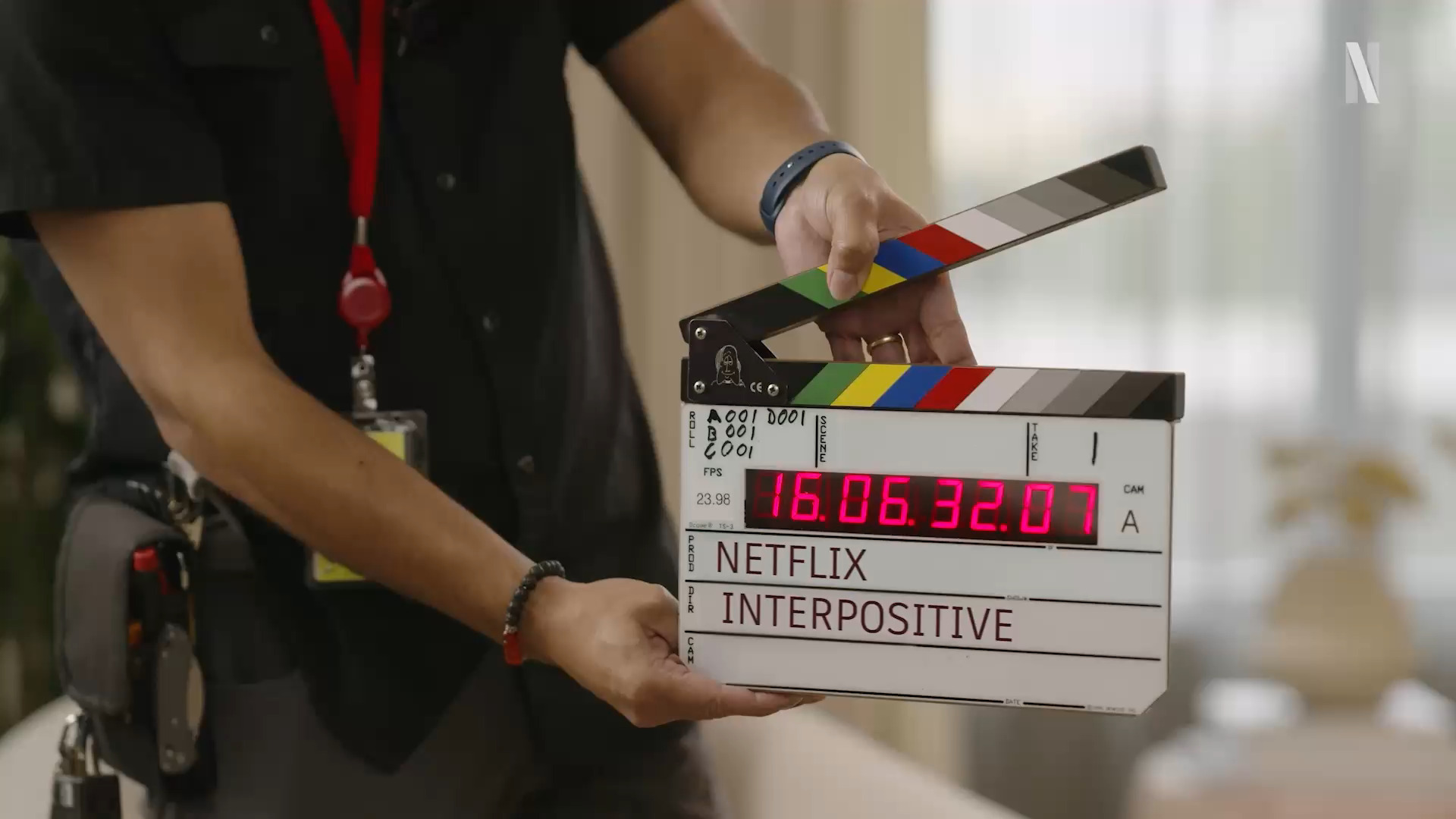
Netflix has recently acquired InterPositive, an AI film-making startup founded by Ben Affleck. The deal is being framed as a win for creativity, a partnership between technology and film artistry, but it might be more complicated than that.
InterPositive, which Affleck launched in 2022, does something different from the AI tools that have unsettled the industry in recent years.
Rather than generating footage from text prompts, it trains custom AI models on a production’s own raw dailies (unedited footage shot during the making of a movie).
The result is a tool that essentially studies a film as it is being made, picking up on how scenes are lit, what the colors look like, and what the overall visual style feels like.
From there, it can handle the more laborious parts of post-production tasks that currently take weeks and a significant budget at third-party VFX houses.
For Netflix, the appeal is obvious. If InterPositive’s tools can shave weeks off a post-production schedule and reduce the back-and-forth with external vendors, the savings compound quickly across dozens of originals a year.
Affleck’s involvement matters a lot here. Having an Academy Award–winning filmmaker serve as Senior Advisor and the public face of the technology gives Netflix added credibility and helps build trust.
It signals to filmmakers that the tool was created with input from someone who has actually made movies, not just by a tech company looking for shortcuts. That distinction matters in an industry that spent nearly 2 years fighting to protect its workers from that kind of approach.
Filmmakers and studios will also welcome this, as productions will spend less time in post chasing down continuity errors or negotiating expensive reshoots.
READ: Paramount Wins the Warner Bros. Battle as Netflix Walks Away
The idea is that directors will have finer control over visual consistency across a long shoot, and since it only uses a film’s own footage, studios avoid the legal headaches that have followed most other AI tools.
Third-party production companies that have long made their living on the repetitive, technical side of filmmaking, cleaning up footage, adjusting colors, and layering in backgrounds, may find that kind of work increasingly handled in-house by the studios themselves.
These businesses are not disappearing overnight. Instead, part of their regular workload is slowly shifting elsewhere. For now, the larger and more creative visual effects work still depends on human artists.
Meanwhile, the rest of Hollywood is placing its own bets. Disney has committed a billion dollars to a partnership with OpenAI, while Sony is investing heavily in the technology that powers virtual film sets.