




PayPal has started restricting and permanently blocking accounts held by Kenyan users, citing anti-money laundering compliance and fraud prevention obligations.
For thousands of freelancers, online sellers, and remote workers who depend on the platform to receive payments from overseas clients, the impact has been immediate and, in some cases, devastating.
Many could be unable to access their money after PayPal demanded additional documents to verify their identity, source of income, and residential details. Accounts that fail to satisfy the requirements risk being restricted for up to 6 months, while others are being permanently limited.
READ: Why PayPal Has Put Your Money on Hold
The verification demands are also specific. PayPal has been requesting proof of identity and physical address, a government-issued ID plus a utility bill or official statement, contracts or agreements for freelance work, invoices, and other documentation showing why a payment was received.
The company is also asking for bank statements before releasing funds.
For users whose accounts have already been blocked, the situation is bleak. The company has told affected users that remaining balances may be held for up to 180 days before being cleared for withdrawal, citing charge-backs and other financial liabilities as the reason.
Kenya’s placement on the Financial Action Task Force’s (FATF) grey list has increased scrutiny of financial transactions originating from the country, prompting international payment providers to adopt stricter compliance procedures.
PayPal has been the primary link connecting Kenyan freelancers, online traders, software developers, and digital entrepreneurs to clients across the globe.
The current crackdown has triggered anxiety amongst workers who depend on the platform to receive payments from overseas clients. Delayed access to earnings means delayed rent, school fees, and business operations.
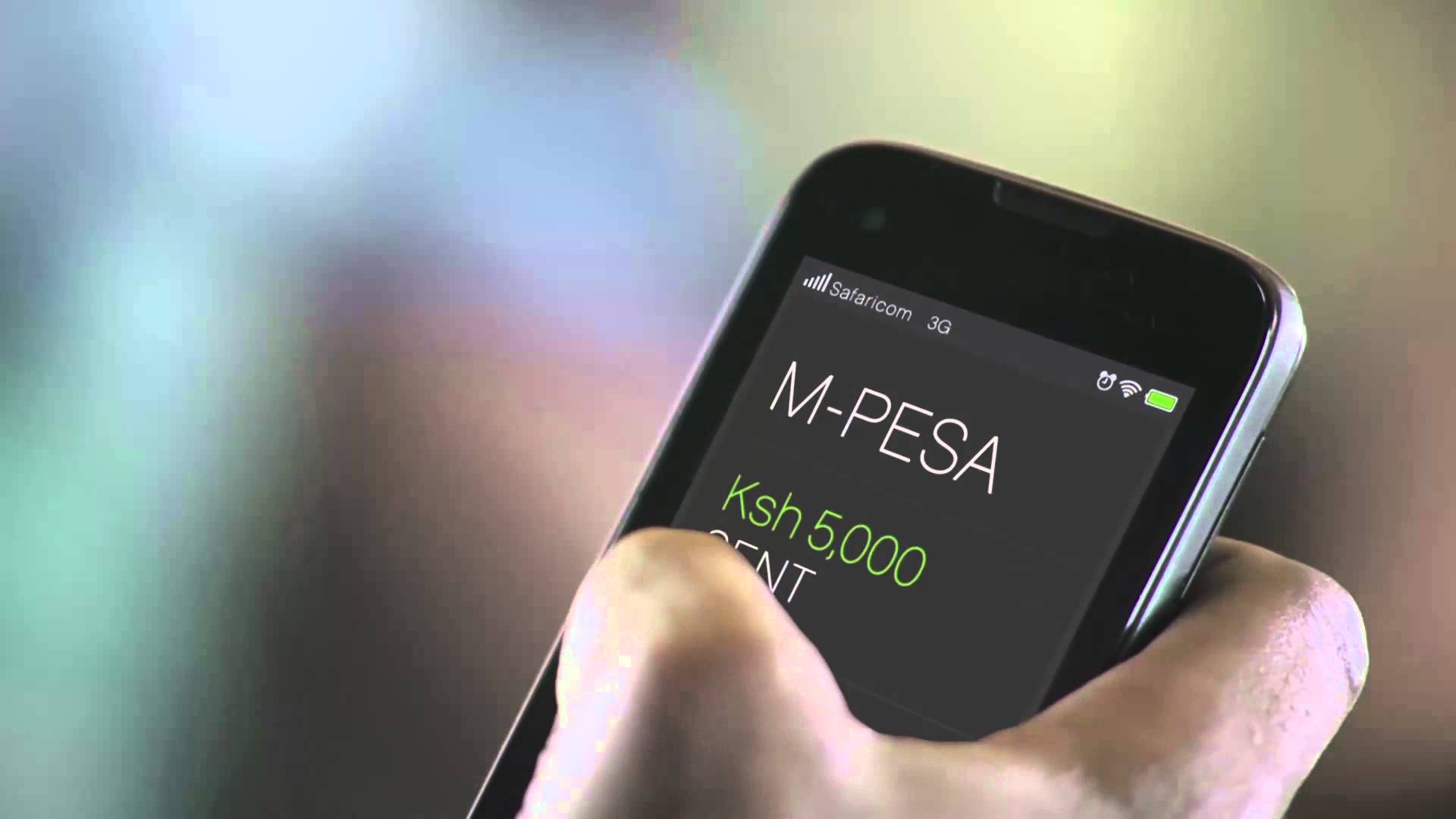
READ: How to Withdraw Money from PayPal to M-PESA in Kenya
The irony is not lost on those affected. Money laundering is not a victimless crime, but its consequences rarely fall first on the people responsible for it.
When a country’s financial reputation is damaged, international companies respond by treating everyone from that country as a risk. The people who created this problem will not be the first to feel it; rather, it will be the freelance writer waiting on the $200 to support themselves.
The crackdown comes at a time when online work is becoming an increasingly important source of foreign income for Kenya. Beyond freelancers and online workers who receive payments from clients abroad, PayPal is also popular with users who shop online and do not want to share credit card or bank account details with every platform.
If your account has been flagged, keep your PayPal profile fully updated with your accurate legal name, address, and phone number, and verify it with a local card or bank where possible.
Keep records of all transactions, including contracts, invoices, and email or message confirmations for work paid through the platform. If an account is permanently limited and still has funds in it, the 180-day waiting period before withdrawal may still apply.
This means the money is not necessarily lost, but recovering it can take time and may require supporting documentation.