





The NTSA traffic cameras and police officers can now flag speeding offenses electronically and send fines directly to your phone, with no roadside stop required. The simplest way to stay within limits is to make your navigation app do the work for you and monitor your speed.
Under the Minor Traffic Offences Rules 2016, police and traffic cameras can now issue police notifications of traffic offenses directly to your phone or vehicle. You can pay within the deadline or dispute in court.
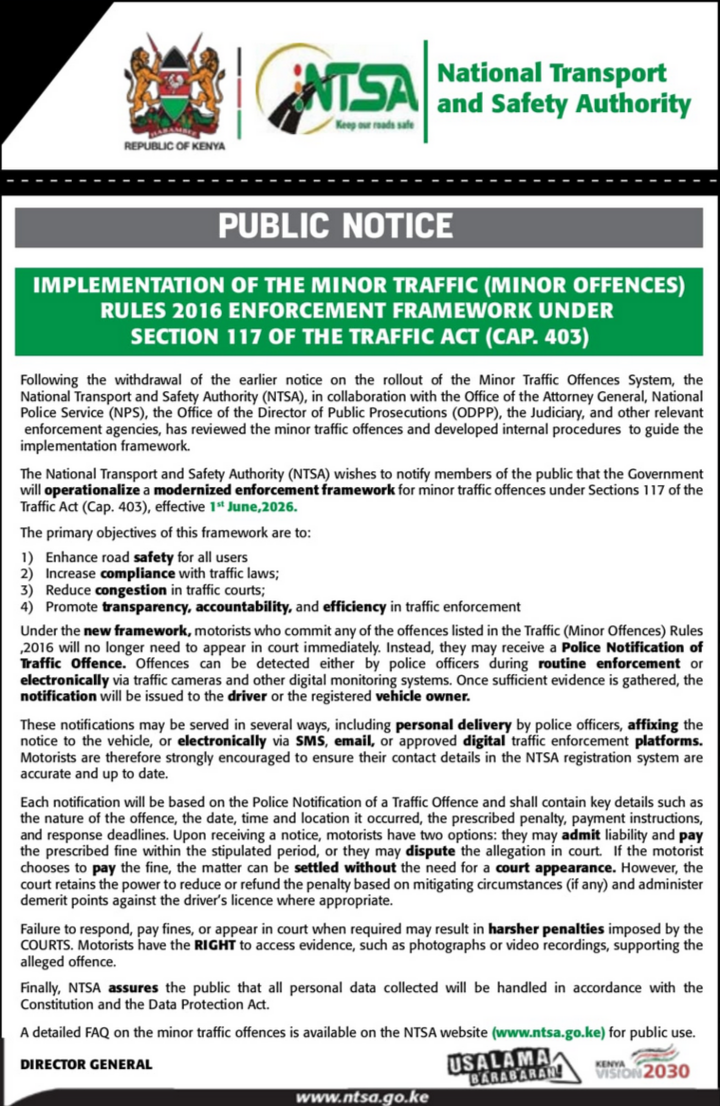
There’s no need to appear immediately, but ignoring it will make the penalties get harsher.
How to Avoid Speeding Penalties
The simplest way to stay within limits is to use a navigation app like Waze and Google Maps. Both apps can display the posted speed limit for any road, alongside your live speed. Here is how you can enable this.
| Waze | Google Maps |
| 1. Download and open Waze 2. Tap Menu Icon 3. Go to Settings 4. Tap Speedometer 5. Enable Show on map and Show speed limit | 1. Update and open Google Maps 2. Tap your profile picture 3. Go to Settings 4. Tap Navigation settings > Driving options 5. Toggle on Speed limits and Speedometer |
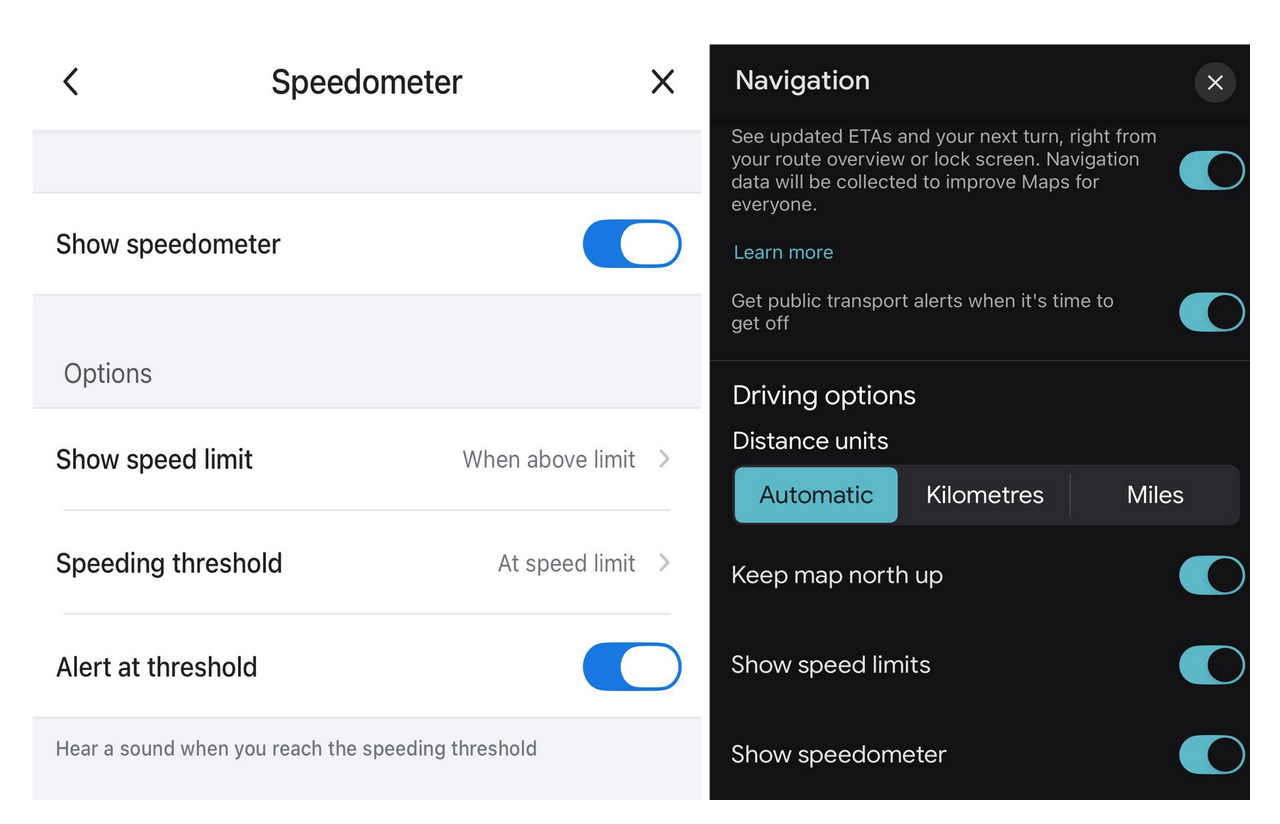
Once enabled, your speed will show live on screen. When you approach a camera zone, Waze will also alert you audibly of a speed camera.
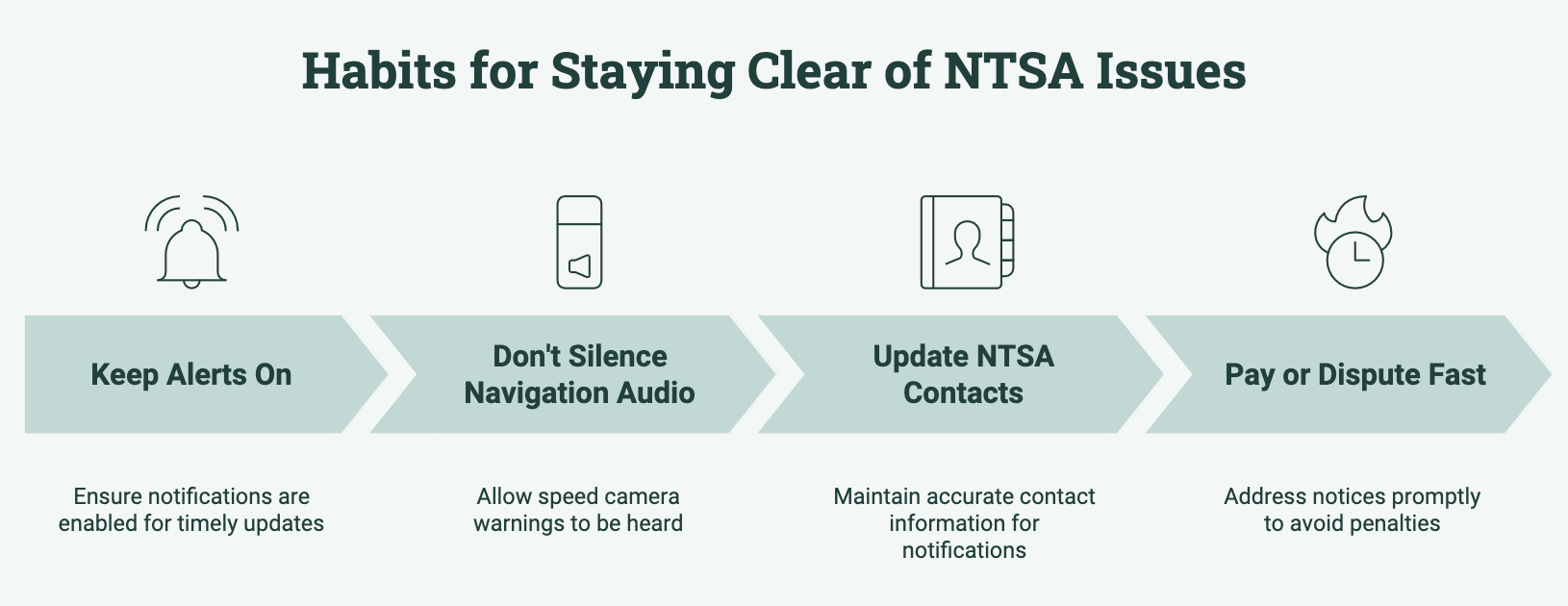
There are other habits you can use to avoid speed fines, such as:
- Keep alerts on – Don’t silence navigation audio. Speed camera warnings play through your phone speaker or car Bluetooth.
- Update NTSA contacts – Notifications go to your registered number or email. Outdated details means you can miss deadlines and attract bigger fines.
- Pay or dispute fast – You can settle a fine without a court appearance. Ignoring a notice risks harsher court-imposed penalties.
Following the suspension of the instant fines system that had been introduced earlier, NTSA said it realized the public needed better understanding of how minor traffic offenses are handled under Section 117 of the Traffic Act and that it would communicate the proper procedures before relaunching.
This appears to be the agency’s response to the former system.