




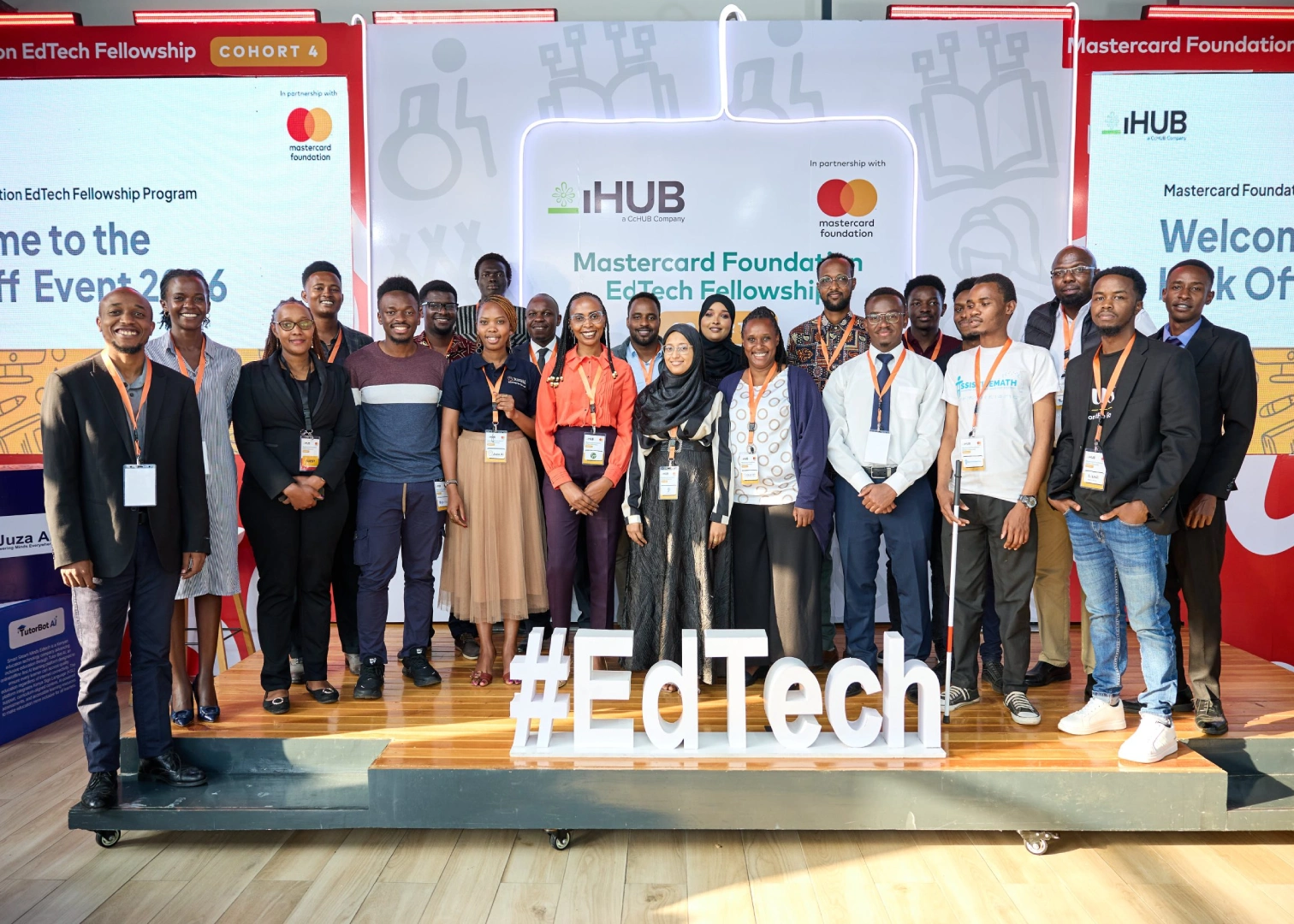
Twelve Kenyan startups have been selected for Cohort 4 of the Mastercard Foundation EdTech Fellowship, launched in Nairobi on July 23, 2026. The program, run by iHub, is shifting how it picks companies. Where the first three cohorts backed growth-stage EdTech firms for eight months, this one is putting early-stage founders through an 18-month cycle, betting on unproven ideas rather than businesses that already have traction.
The selection criterion this time was narrower too. Every startup had to be building for one of four groups that mainstream EdTech in Kenya has largely skipped over: learners with disabilities, refugees and people in underserved or rural areas, girls and young women, and the data systems that shape education decisions.
Six of the twelve are working on disability-focused tools. DEAFHEALTH, AssistiveMath, Signvrse, Deaf Outreach Program, SmartSteamMinds Edtech, and Chipurobo are each building assistive technology or specialized learning platforms for that population.
Four startups focus on refugee, displaced, and rural communities, where connectivity and language are often the first barrier. Neurollect Audread, JUZA AI LTD, Ubuntu Universe Limited, and RYEH CBO fall in this group, working on multilingual and offline learning tools.
The remaining two, Gwiji for Women and Tausi App, focus on girls and young women, pairing digital skills training with vocational and entrepreneurial content.
Each startup gets up to USD 100,000 in equity-free funding plus technical support across product development, business strategy, and communications, delivered through a pilot framework meant to help them test their models with real users before scaling.
Nissi Madu, Managing Partner at iHub, said the cohort reflects a bet on founders who understand the problem firsthand:
“Innovation has the greatest impact when it begins with the learners who have historically been excluded. Cohort 4 reflects that belief. These founders are tackling some of the most persistent barriers to equitable education through solutions designed with inclusion at their core.”
Wariko Waita, Director of the Center for Innovative Teaching and Learning at the Mastercard Foundation, put the Fellowship in a wider frame:
“At its best, EdTech does not just digitize education; it redistributes opportunity, and that’s where the Mastercard Foundation EdTech Fellowship comes in. The Fellowship sits at the intersection of three powerful forces: education system transformation, inclusive technology-enabled solutions, and sustainability of Africa’s EdTech entrepreneurship.”
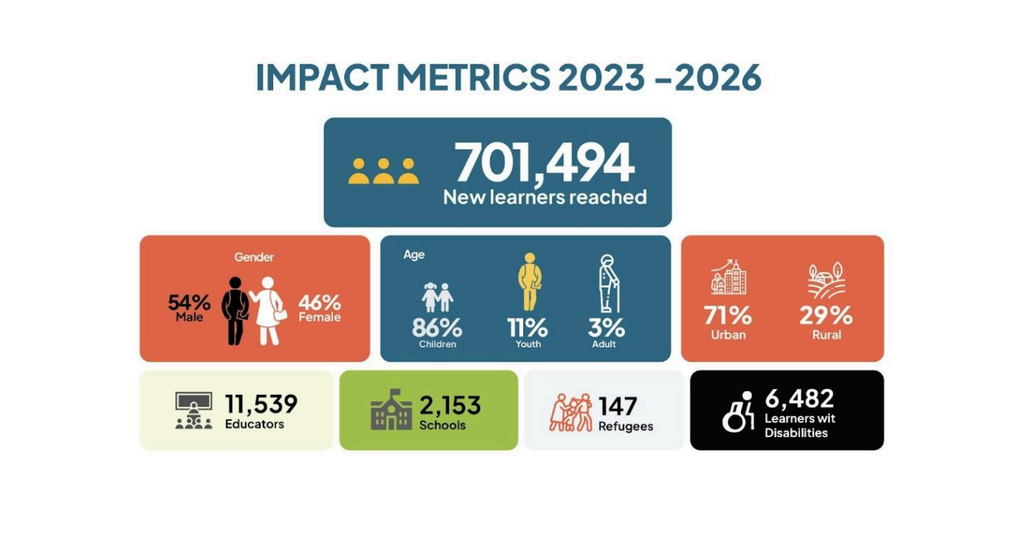
The Fellowship has been running in Kenya since 2023 and has now backed 36 EdTech companies in total. Across those cohorts, it counts more than 700,000 learners reached, over 11,000 educators trained, and partnerships with more than 2,100 schools, including extending access to over 6,000 learners with hearing and visual disabilities.