




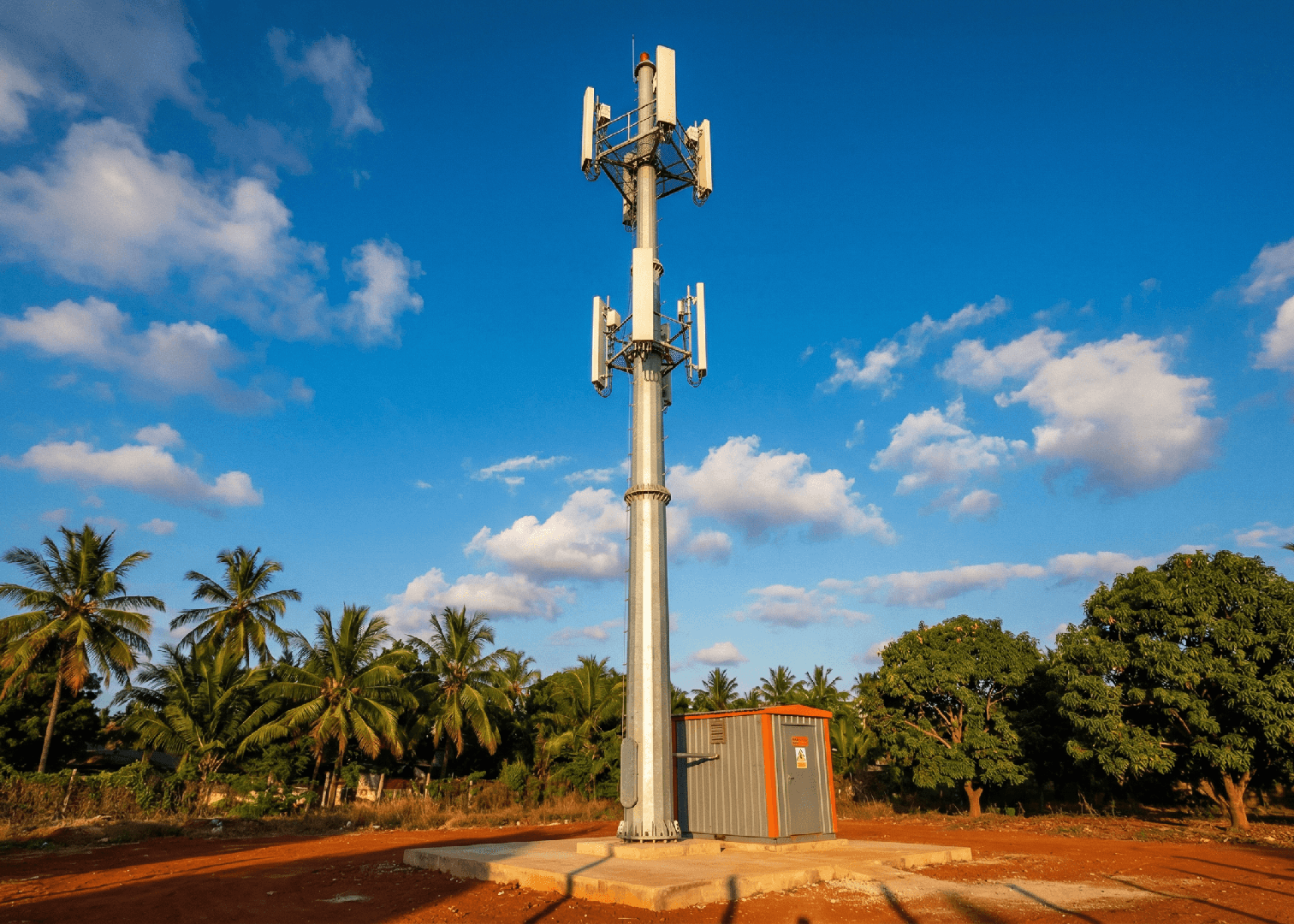
Kenya is heading into a campaign period for the 2027 General Election where the fight over who controls the narrative may happen as much on cell towers and Wi-Fi routers as on the podium.
Fred Matiang’i’s allegation, reported by Citizen, that the government is jamming signals at opposition rallies, disrupting Wi-Fi, hijacking social media accounts, and surveilling opposition figures comes at a time when Kenya already has a recent and contested history of similar disruptions.
The question is not whether the claim is politically convenient. It is whether the country’s networks and institutions are equipped to prove or disprove it, and what happens to the 2027 vote if they cannot.
Jamming a rally’s signal, slowing down an opposition livestream, and secretly accessing someone’s social media account are three different technical acts, each leaving a different trail of evidence.
Signal jamming can be traced through spectrum readings, livestream throttling through network routing data, and unauthorized account access through login and device records.
None of that evidence has been made public yet. What has already happened in Kenya, though, is enough to make the allegation worth taking seriously rather than waving off as campaign noise.
What the Record Already Shows
Kenya has been here before.
On 25 June 2024, monitoring group IODA recorded an internet disruption lasting about seven hours during the Finance Bill protests. Around half of the previously active network addresses went offline before service was restored that evening.
Safaricom and Airtel blamed an undersea cable fault, but IODA said the disclosure was much less detailed than the one issued after a documented cable break two months earlier. It also questioned whether a subsea repair could realistically have been completed in seven hours.
Rights groups have also documented a wider pattern of coordinated online intimidation, targeted disinformation, and surveillance affecting activists during protest waves between June 2024 and July 2025.
This history makes Matiang’i’s broader claims plausible. However, it does not confirm the specific rallies or accounts he referred to. There is no public evidence showing spectrum captures, operator logs, or platform forensic records linked to those events.
How It Could Play Out Over the Campaign
Kenyan campaigns no longer treat mobile data, livestreams, and WhatsApp or Telegram groups as extras to rallies and posters. They now depend on them.
From candidate announcements and fundraising appeals to real-time rebuttals and get-out-the-vote messages, much of the campaign now happens online. This makes reliable connectivity an important campaign resource.
If access or account control can be selectively disrupted at opposition events while state channels remain unaffected, it can create an uneven playing field without changing a single vote.
The same risk extends to election day, when polling data, results forms, and observer reports are shared over the same networks. Any disruption could affect these processes.
When information suddenly stops flowing, rumors and fabricated results can spread quickly, whether the outage was deliberate or accidental.
Oversight is spread across too many agencies to catch problems in real time. The Communications Authority handles network compliance, the Data Protection Commissioner oversees subscriber and location data, IEBC is responsible for electoral systems, and courts usually get involved only after harm has been reported.
That gap is widening rather than closing. A Senate Bill now before Parliament would remove the IEBC’s requirement to livestream polling station results.
Kenyans have relied on that public feed since 2013. Instead, results would be published on a portal only after they reach tallying centers. The IEBC defended the bill’s verification safeguards but did not say whether the livestream itself would remain.
READ: IEBC Defends Election Bill but Leaves Questions Over Live Results Feed Unanswered
Combined with Matiang’i’s allegations, the timing of this raises more questions. The livestream is one of the tools citizens can use to spot problems as they happen, whether it is a jammed feed or a stalled tally.
Removing it just as questions are being raised about the reliability of the network itself could make an already fragile trust problem worse.