





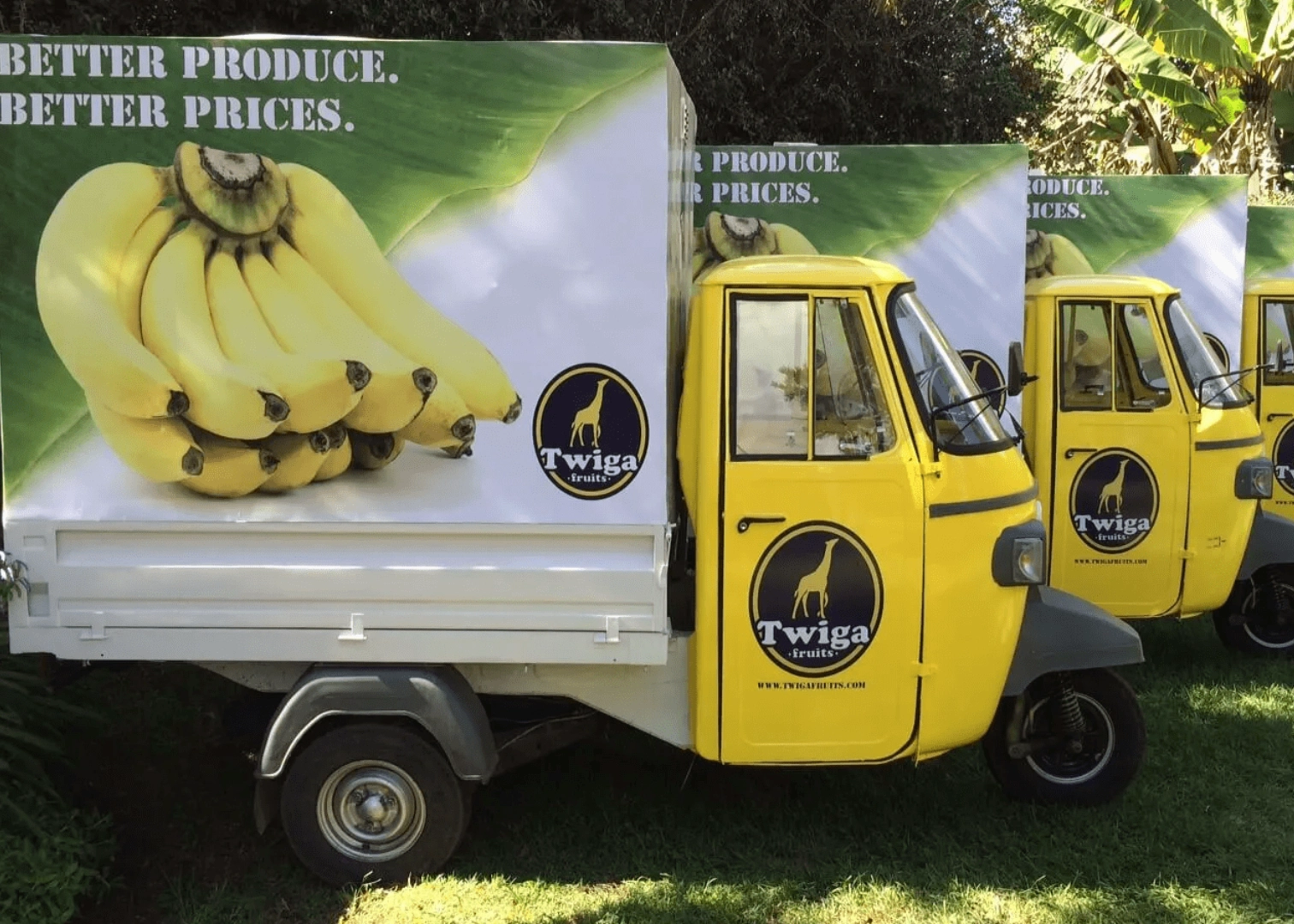
GT Flow Limited, the company formerly known as Twiga Foods One Limited, has been placed under statutory administration in Kenya. The move marks one of the most biggest setbacks yet for a startup that was once held up as a model for tech-driven business in East Africa.
A gazette notice published on September 11 confirmed that GT Flow Limited entered administration on August 17. Mohamed Mohamed was appointed as administrator, and the process was initiated by the company’s own board of directors under Section 541(2) of Kenya’s Insolvency Act.
With the administration in place, the powers of GT Flow’s directors to make decisions about the company’s assets have been suspended. They can no longer act without the administrator’s express permission.
Mohamed Mohamed now controls the company’s assets, operations, and overall affairs, and he does so without personal liability for the company’s debts. All operational and other matters relating to the company must now go through him or his representatives.
Creditors and suppliers have been given a 30-day window to submit their claims so they can be added to the official roll of creditors.
What Administration Means
Statutory administration is a legal rescue process for companies that are struggling financially but haven’t necessarily reached the point of liquidation.
An independent administrator takes charge, the existing directors step back, and creditors are temporarily blocked from taking legal action to recover what they’re owed.
READ: Lipa Later Crisis: Administrator Appointed as Company Faces Financial Woes
The administrator’s job is to figure out whether the business can be turned around, sold off, restructured, or should simply be wound down.
No Kenyan startup that has previously gone through statutory administration has come out the other side still operating.
Twiga Foods’ Long Decline
Twiga Foods was founded in 2014 by Peter Njonjo and Grant Brooke with the goal of fixing Kenya’s messy food supply chain.
The idea was to connect farmers and suppliers directly to small, informal retailers like kiosks, cutting out unnecessary middlemen and making it easier for shopkeepers to stock their shelves.
It worked well enough to attract serious money. According to Crunchbase, Twiga raised a total of $185.4 million over its lifetime, backed by major investors including Goldman Sachs, the International Finance Corporation, and the French private equity firm Creadev.
That made it one of the most heavily funded startups in Kenya.
READ: Twiga Raises KES 5.5 Billion in Series C Round, Plans to Enter Nigeria, Ghana in 2022
However, the last few years have been rough. The company’s most recent disclosed funding came in December 2023, a $35 million debt round backed by existing investors Creadev and Juven.
At the time, Twiga was already dealing with mounting pressure, including unpaid obligations and a dispute with its cloud services provider, Incentro.
Njonjo personally put in $1 million of his own money before stepping away for a six-month sabbatical. He left the board entirely in early 2024, handing the CEO role to Charles Ballard, a former Jumia executive.
Still, the struggles continued. Twiga cut jobs again in 2024, and by the second quarter of 2025 it was in the middle of a bigger overhaul. Internal plans for a restructuring, referred to internally as a “newco” project, had already started circulating by May 2025.
That plan involved creating a new holding structure sitting above several operating businesses.
Pivoting to FMCG
Part of that restructuring saw Twiga acquire controlling stakes in three Kenyan fast-moving consumer goods distributors: Jumra, Sojpar, and Raisons.
The deal gave Twiga access to their established customer networks and eight distribution centers spread across Kenya’s Central, Coast, and Western regions.
READ: Twiga Foods Launches Distribution Centre to Offer Fulfilment Services to Partners
It was a clear attempt to move away from the original, costlier model that had defined the company’s early years and toward a more traditional distribution business.
Twiga Tatu SEZ
GT Flow’s administration isn’t the only legal trouble connected to the wider Twiga ecosystem. In March, a separate petition was filed at Kenya’s High Court seeking the liquidation of Twiga Tatu SEZ Limited, another entity linked to the group, over unpaid debts.
Under Kenya’s Insolvency Act, creditors can ask a court to liquidate a company that can’t pay what it owes. If that petition succeeds, a court-appointed liquidator would take over Twiga Tatu SEZ’s assets, sell them off, and distribute the proceeds to creditors.
This process is legally distinct from GT Flow’s administration, but both cases point to the same underlying problem: a group of companies built on the Twiga name that has been unable to keep up with its debts.
Together, the administration of GT Flow and the liquidation petition against Twiga Tatu SEZ mark a stark turn for a company that spent a decade as one of the poster children of Kenya’s startup scene.