






A new AI-powered system called Who-Fi can identify and track individuals using only Wi-Fi signals; no cameras, phones, or wearable devices are required.
Developed by researchers at La Sapienza University of Rome, the system analyzes how a person’s body distorts Wi-Fi signals in a space. These distortions create a unique “Wi-Fi fingerprint” that can be used to recognize someone as they move between rooms or even through walls.
The system uses Channel State Information (CSI), data about how Wi-Fi signals behave between a transmitter and receiver. When a person enters a Wi-Fi zone, their body changes these signals in distinct ways.
It collects this data and feeds it into a transformer-based neural network, a type of AI model also used in natural language processing. After training, the model can match those signal patterns to individuals with up to 95.5% accuracy, even in different rooms or setups.
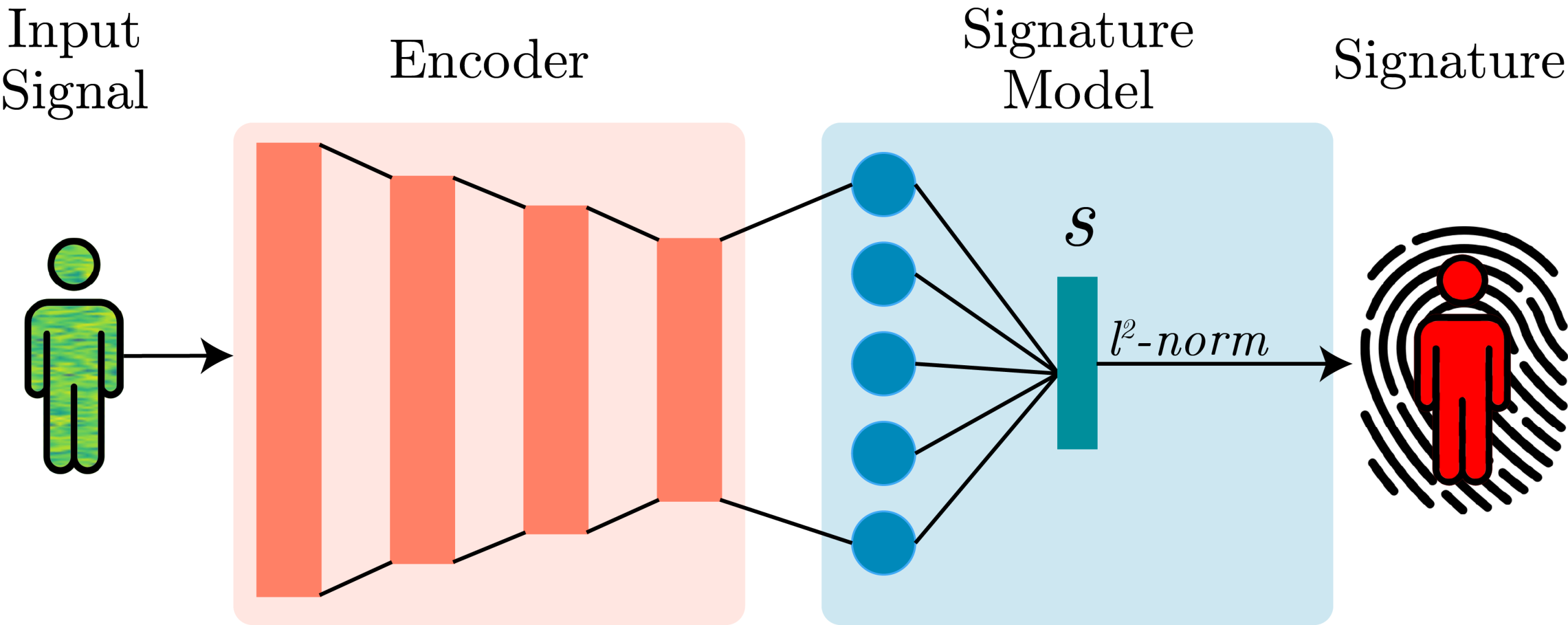
Importantly, the system was tested using a standard Wi-Fi router (TP-Link N750), meaning it does not rely on specialized hardware.
Key Characteristics
- Device-free: No phone, smartwatch, or tag required.
- Camera-free: Works in complete darkness or through walls.
- Passive: People don’t need to interact with any system.
- Accurate: Achieved over 95% re-identification success in tests.
Privacy Implications
This technology raises major concerns around surveillance without consent. Because it doesn’t rely on visual data or traditional identifiers like MAC addresses or GPS, existing privacy regulations may not apply.
Potential uses range from elder care and home automation to employee monitoring and mass surveillance. If implemented without oversight, it could become a tool for silent tracking in homes, offices, stores, and public spaces.
While Who-Fi is still experimental, the underlying tools, basic Wi-Fi routers and AI models, are widely available. That lowers the barrier for real-world deployment by corporations, governments, or malicious actors.
The researchers have presented Who-Fi as a proof of concept, demonstrating the system’s potential and risks. But in the absence of clear legal and ethical safeguards, the boundary between useful innovation and unchecked surveillance is quickly eroding.