




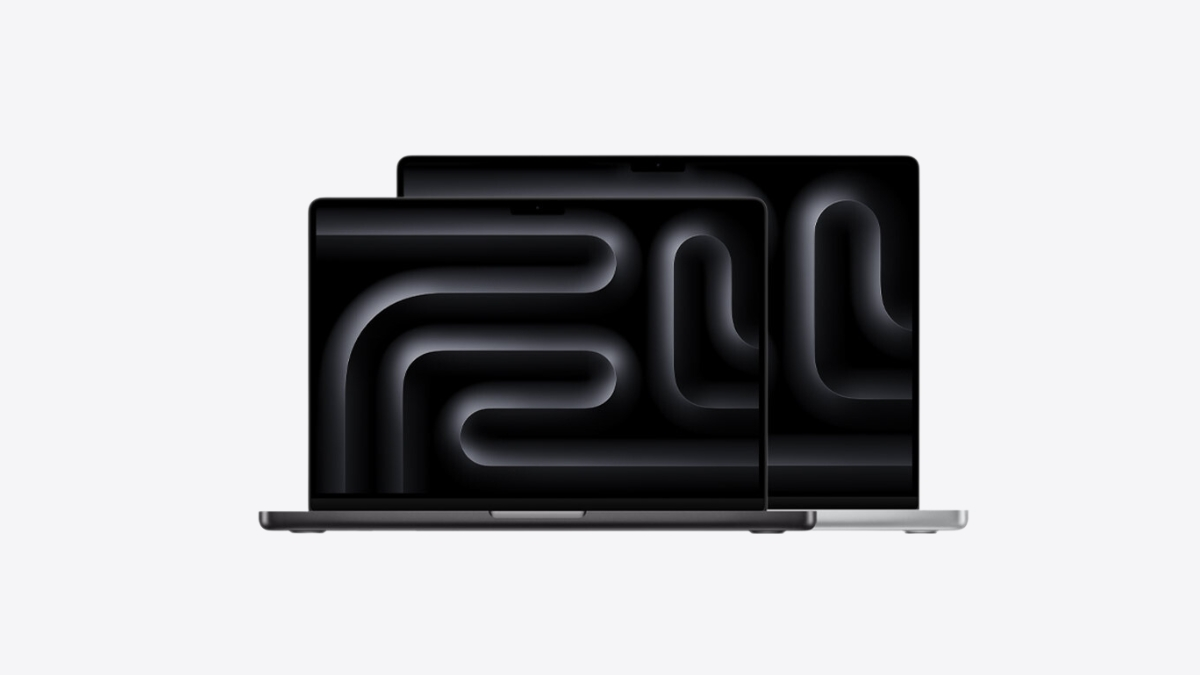
Apple is reportedly preparing to refresh its MacBook lineup with new models powered by the M5 family of chips.
The update is expected to focus on performance and connectivity gains rather than major design overhauls, with the first devices likely to arrive between late 2025 and early 2026.
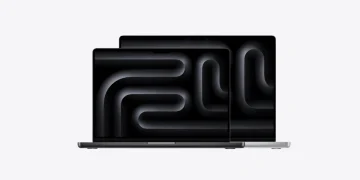
Gurman reports that Apple is close to mass production of 14-inch and 16-inch MacBook Pro models that will be offered in three chip tiers: M5, M5 Pro and M5 Max.
The MacBook Air is expected to follow with the standard M5 processor. Although the external design is likely to remain largely unchanged, minor cosmetic tweaks such as new colors could appear.
Performance improvements are expected to be the main selling point. Industry sources estimate that the M5 series could deliver between 15% and 25% faster speeds than the M4 generation, with higher efficiency for creative and professional workloads.
Connectivity is also set for an upgrade, with Thunderbolt 5 and Wi-Fi 7 support widely rumored, alongside improved Bluetooth features. Apple may also introduce a better FaceTime camera to address longstanding criticism of its video quality.
Hints of the new machines have already surfaced in regulatory filings in the United States, which revealed previously unseen model numbers. Such disclosures are often a precursor to imminent hardware announcements, lending credibility to claims that Apple is finalizing preparations.
However, it’s believed that the M5 generation will be an incremental step rather than a transformative one. Larger changes such as OLED displays, thinner frames and potentially new interaction features are expected to debut with the future M6 cycle.
For consumers, that raises an important question of whether to buy the M5 models when they launch or hold off for the more radical upgrades.
Alongside the Pro line, Apple is said to be preparing a new entry-level MacBook Air. Expected to launch in late 2025 or early 2026, the laptop could debut at around $599 (about KES 77,000), a major shift from what we’ve seen in the pricing strategy from Apple.