




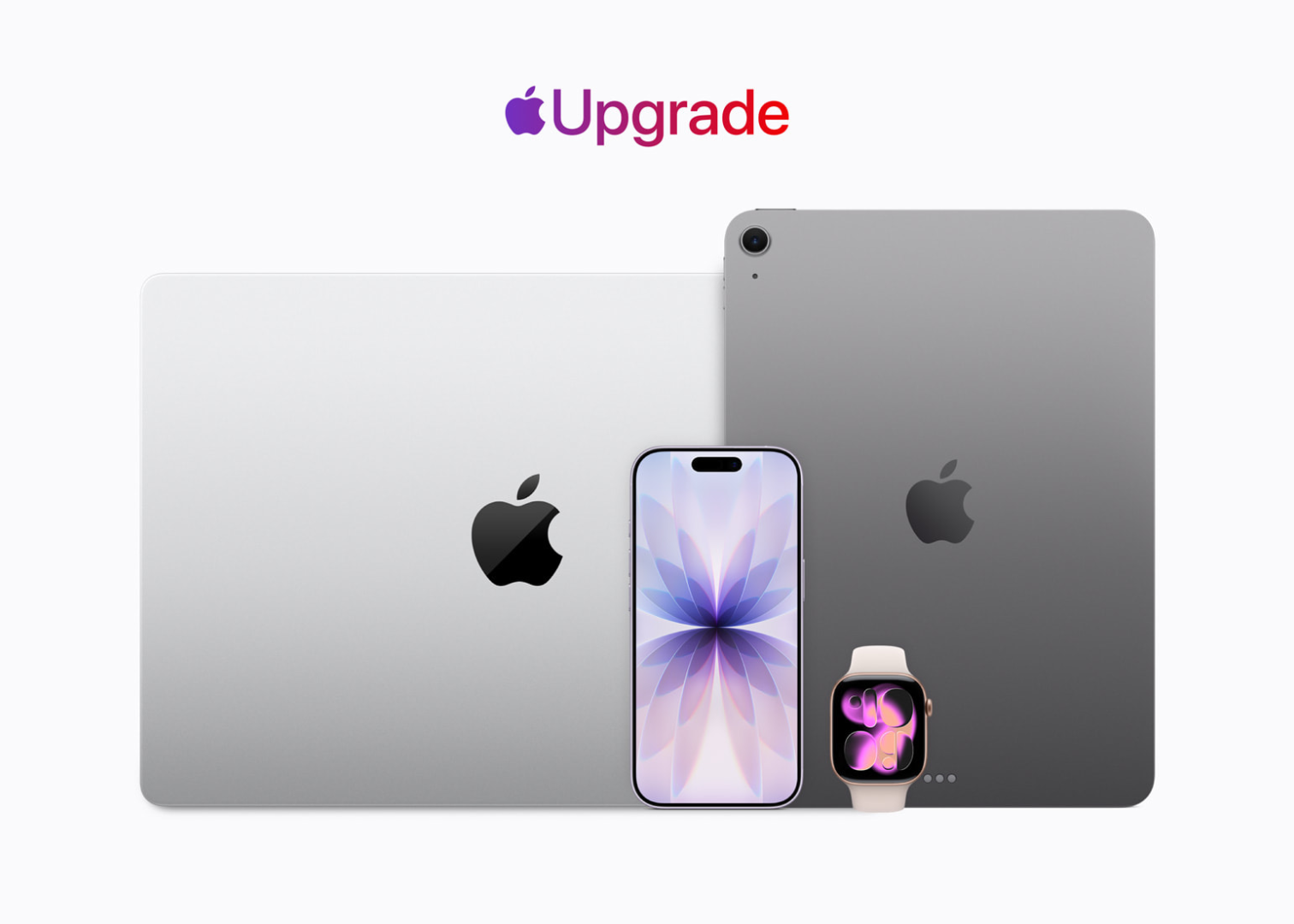
Apple just killed its iPhone Upgrade Program and replaced it with something bigger. Starting this week, you can lease an iPhone, Apple Watch, Mac, or iPad instead of buying it outright, through a new partnership with Klarna.
How It Works
Prices start at $17.99 a month for an iPhone, $11.99 for an Apple Watch, $24.99 for a Mac, and $11.99 for an iPad. iPhones and Watches come with 12- or 24-month terms. Macs and iPads get 24- or 36-month terms.
Not every product qualifies. You can lease the iPhone 17 lineup, iPhone Air, Apple Watch Series 11, Apple Watch Ultra 3, MacBook Air, MacBook Pro, iMac, Mac Studio, and the iPad Air, Pro, and Mini.
Apple’s budget gear, like the iPhone 16, MacBook Neo, base iPad, and Apple Watch SE, is left out.
When the lease ends, you get three choices: upgrade to a newer model, buy the device outright with one payment, or hand it back and walk away. Everything gets tracked through the Klarna app, including your payment schedule.
Signing up involves a soft credit check, so it won’t ding your credit score. Trading in an old device lowers the monthly payment, and paying with an Apple Card earns 3% back in Daily Cash.
Why Now?
This isn’t happening in a vacuum. Memory chip prices have spiked industry-wide, a shortage some are calling “RAMageddon.” Apple already raised prices on several Mac and iPad models because of it, and some analysts think a $1,500 iPhone isn’t far off.
A leasing program softens that blow by turning a big purchase into a smaller monthly bill.
There’s also a behavioral shift Apple is responding to. People aren’t upgrading their phones every year anymore. The average person now holds onto their phone for about 22 months.
The old Upgrade Program was built around annual swaps and started at roughly $42 a month. This new plan is cheaper and stretches out further, matching how long people actually keep their devices now.
Is It Actually a Good Deal?
That depends entirely on how you use it.
If you’re someone who always wants the newest iPhone and trades in every year or two anyway, this is intended for you.
You get a lower monthly cost than the old program, predictable payments, and no lump sum at checkout. Bundled with a trade-in and an Apple Card, the effective cost drops further.
If you tend to keep your phone for four or five years, leasing is a worse deal than buying. You’ll pay monthly for two or three years, then either have to pay again to actually own the device, hand it back with nothing to show for it, or re-enroll into another lease.
READ: Why Most People Don’t Need to Upgrade to the iPhone 17
Buying outright and holding onto it long-term will almost always cost less over time.
It’s also worth noticing what this really is: a subscription for hardware. Apple has spent years turning services, storage, and now devices into recurring payments.
That’s convenient if you like predictable monthly bills, but it also means you may never actually own the phone in your pocket unless you make that final payment.
READ: Apple Raises Apple Music and Apple One Subscription Prices
Apple Upgrade makes sense for frequent upgraders and people who want to spread out rising device costs without a big upfront payment. It makes less sense for people who buy a phone and use it until it dies.
Whether it’s a smart move comes down to which type of buyer you are, not whether the program itself is well designed.