






For years, “affordable MacBook” was practically an oxymoron in Kenya.
If you wanted Apple’s laptop, you were looking at starting prices north of KES 150,000, and that was on a good day, before factoring in import duties, VAT, and the grey-market markup that comes with buying through third-party resellers. The MacBook Air was aspirational for most. The MacBook Pro was out of the question entirely.
Then Apple announced the MacBook Neo.
Starting at $599 (roughly KES 77,000), it’s the first MacBook built with an entirely different buyer in mind. Not the developer, not the creative professional, not the person who edits 4K footage for a living.
This one is aimed at students, everyday users, and people who need a reliable laptop that does the basics well without emptying their bank account, and in a market like Kenya, that description fits a very large number of people.
What Apple Actually Built
The MacBook Neo runs on the A18 Pro chip, the same processor inside the iPhone 16 Pro. That’s a deliberate choice.
The A18 Pro is fast enough for everyday computing, handles AI tasks well, and because it was originally designed for a phone, it runs cool without needing a fan. This means the Neo, like the MacBook Air, operates completely silently.
In Apple’s own testing, the Neo is 50% faster than laptops running Intel’s Core Ultra 5 processor for typical tasks like web browsing and three times faster when running on-device AI workloads. Those are significant margins over what most budget Windows laptops offer.
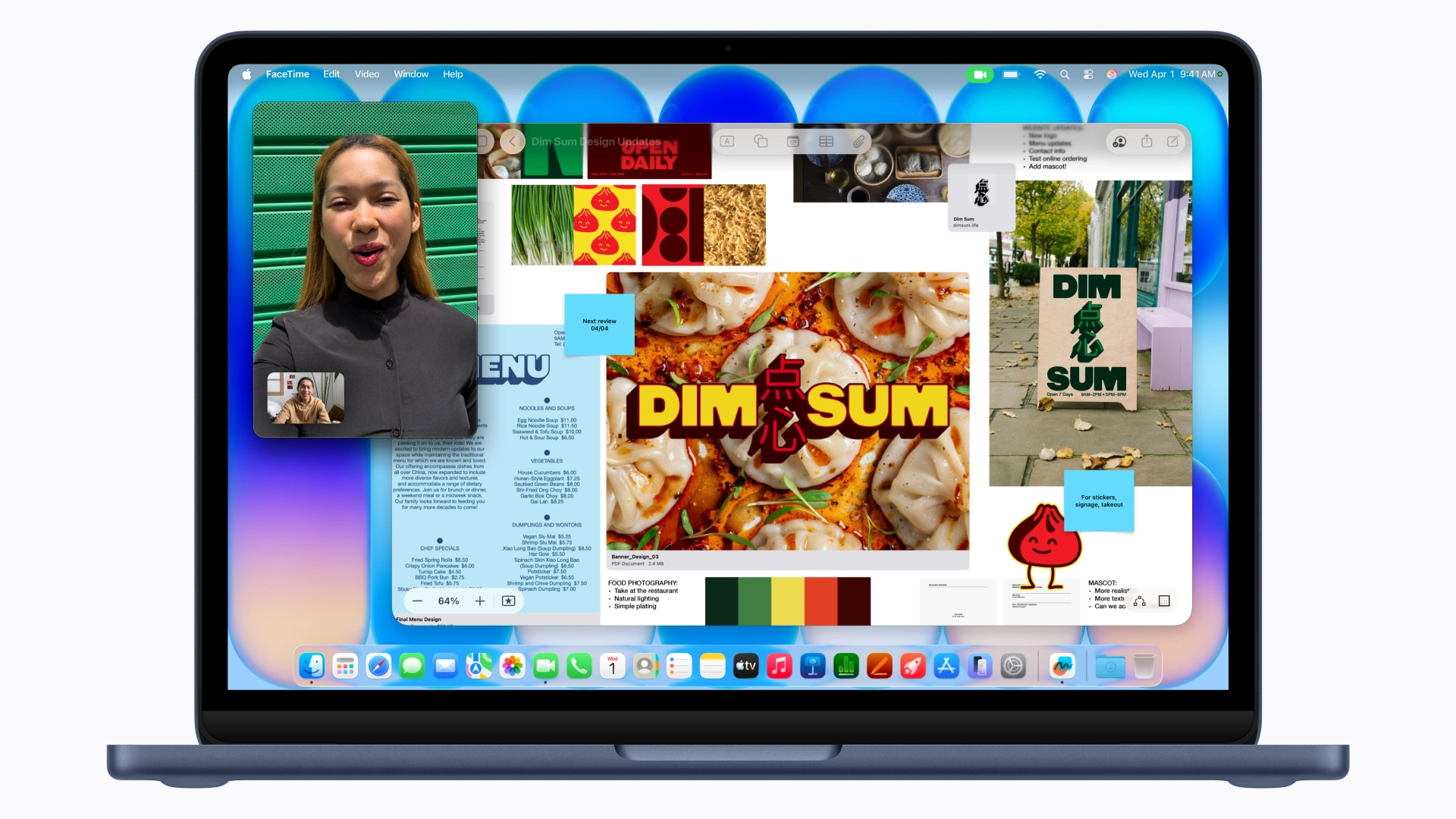
The display is a 13-inch Liquid Retina panel at 2408 x 1506 resolution with 500 nits of brightness and an anti-reflective coating.
It doesn’t have the 120Hz ProMotion refresh rate of the MacBook Pro, but it still renders 1 billion colors and is better than screens you’d find on comparably priced Windows machines. For reading, writing, watching video, or doing research, it will be more than adequate.
Battery life is rated at 16 hours. Apple’s battery claims have historically been generous, so real-world numbers will likely land somewhere between 12 and 14 hours, which is still enough to last a full day without needing to find a power outlet.
The camera is 1080p, which is a meaningful upgrade over the 720p sensors common on budget Windows laptops. For students attending online classes or professionals on video calls, that difference is noticeable.
The dual microphones use directional beamforming to cut out background noise, which matters a lot in loud environments like shared offices, an Uber in traffic, or a Java restaurant in a mall.
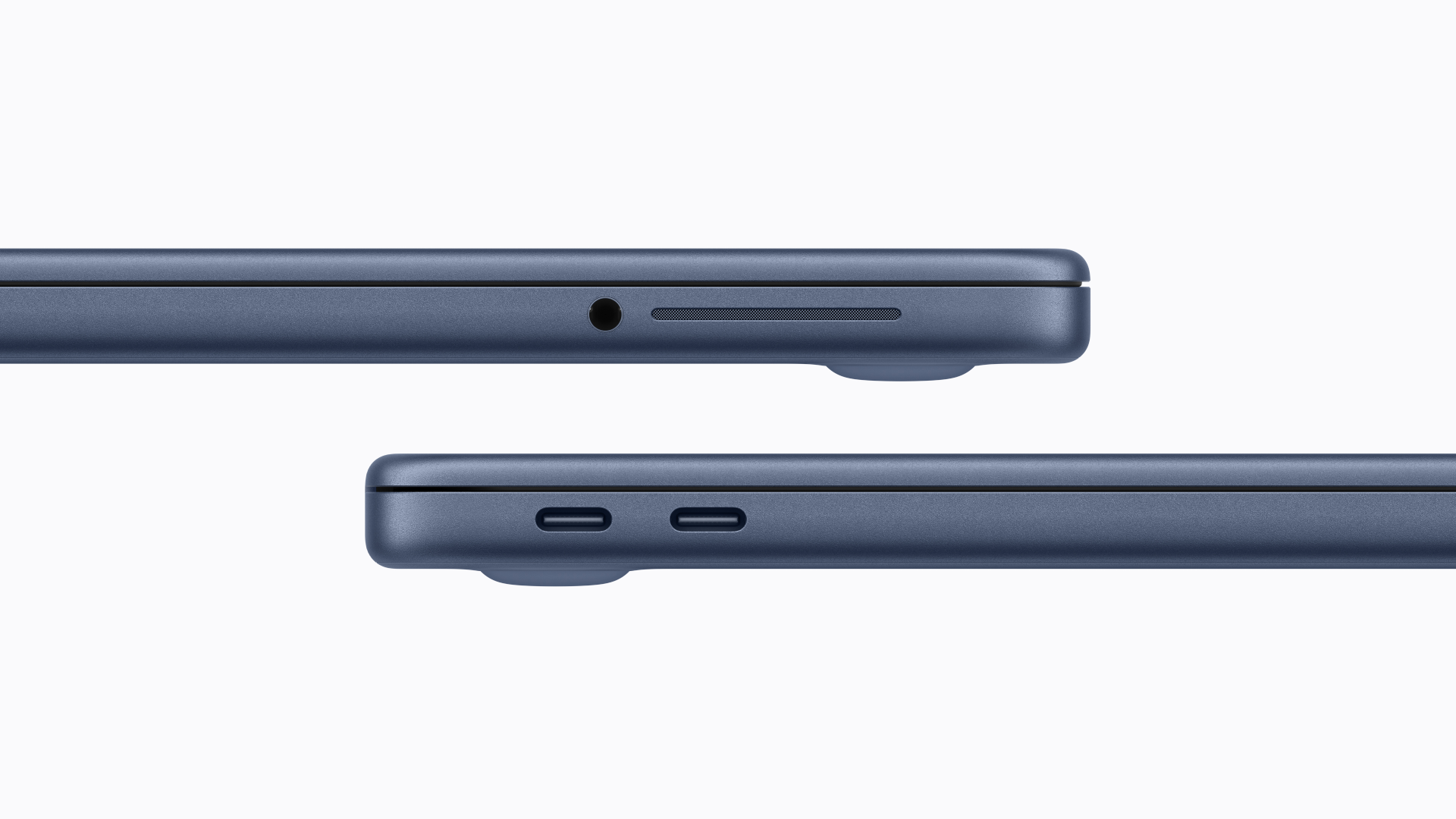
Ports are few, as you only get two USB-C connections (both support charging) and a 3.5mm headphone jack. There’s no MagSafe here, so you’ll charge through USB-C. Wireless connectivity is Wi-Fi 6E and Bluetooth 6.0, which covers everything most users will need.
The base $599 model comes with 256GB of storage, but it has no Touch ID. The $699 model doubles storage to 512GB and adds fingerprint login, which is a $100 difference that most buyers who can stretch will want to consider.
The MacBook Neo Will Be a Hit in Kenya
Kenya has a strong culture of education, a growing tech and startup ecosystem, and a large population of students and young professionals who need functional, dependable laptops.
The problem has always been price. Chromebooks filled part of that gap, but they’re heavily dependent on internet connectivity and don’t run the full software that most people need.
Budget Windows laptops have also tried to fill the space, but they often come with poor build quality, mediocre displays, and short lifespans.
The MacBook Neo is different. It’s an aluminum chassis laptop from Apple, built to the same physical standards as the Air and Pro. It will last longer than a KES 60,000 Windows machine.
The software, macOS, is stable, receives years of updates, and comes bundled with useful productivity apps out of the box. Since it runs a chip originally designed for a phone’s tight thermal environment, it won’t slow down or overheat under typical conditions.
Apple products also hold their resale value in Kenya better than almost any other consumer electronics. That’s relevant here.
A MacBook Neo bought today at $599 will likely be worth a reasonable percentage of that in three or four years. A similarly priced Windows laptop typically isn’t.
For university students specifically, the education discount brings the price down to $499 (closer to KES 64,000). That’s still a lot, but it’s within the range that many families who have been considering a MacBook can actually reach.
Combined with the fact that Apple’s ecosystem integrates cleanly with iPhones, which have a sizeable and growing user base in Kenya’s urban centers, the Neo becomes an easy sell for anyone already in that world.
The four color options – Silver, Blush (pink), Citrus (yellow), and Indigo (deep blue) – are also worth mentioning. They’re not the neutral grey that corporate laptops default to.
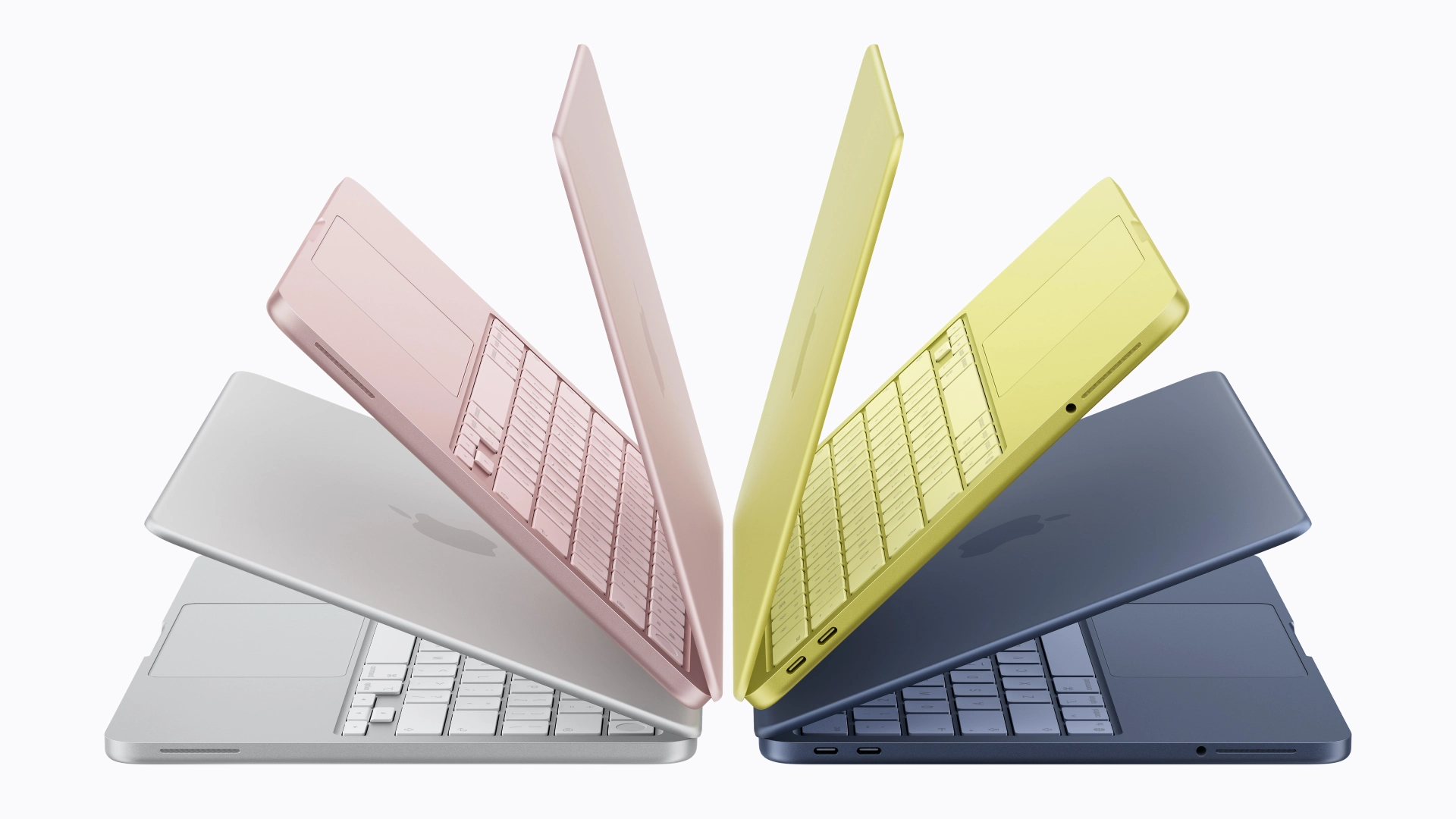
This is a product that’s visually distinct, and in a market where younger buyers increasingly use their devices as personal expression, that’s not a trivial thing.
What Will You Be Giving Up If You Get the MacBook Neo?
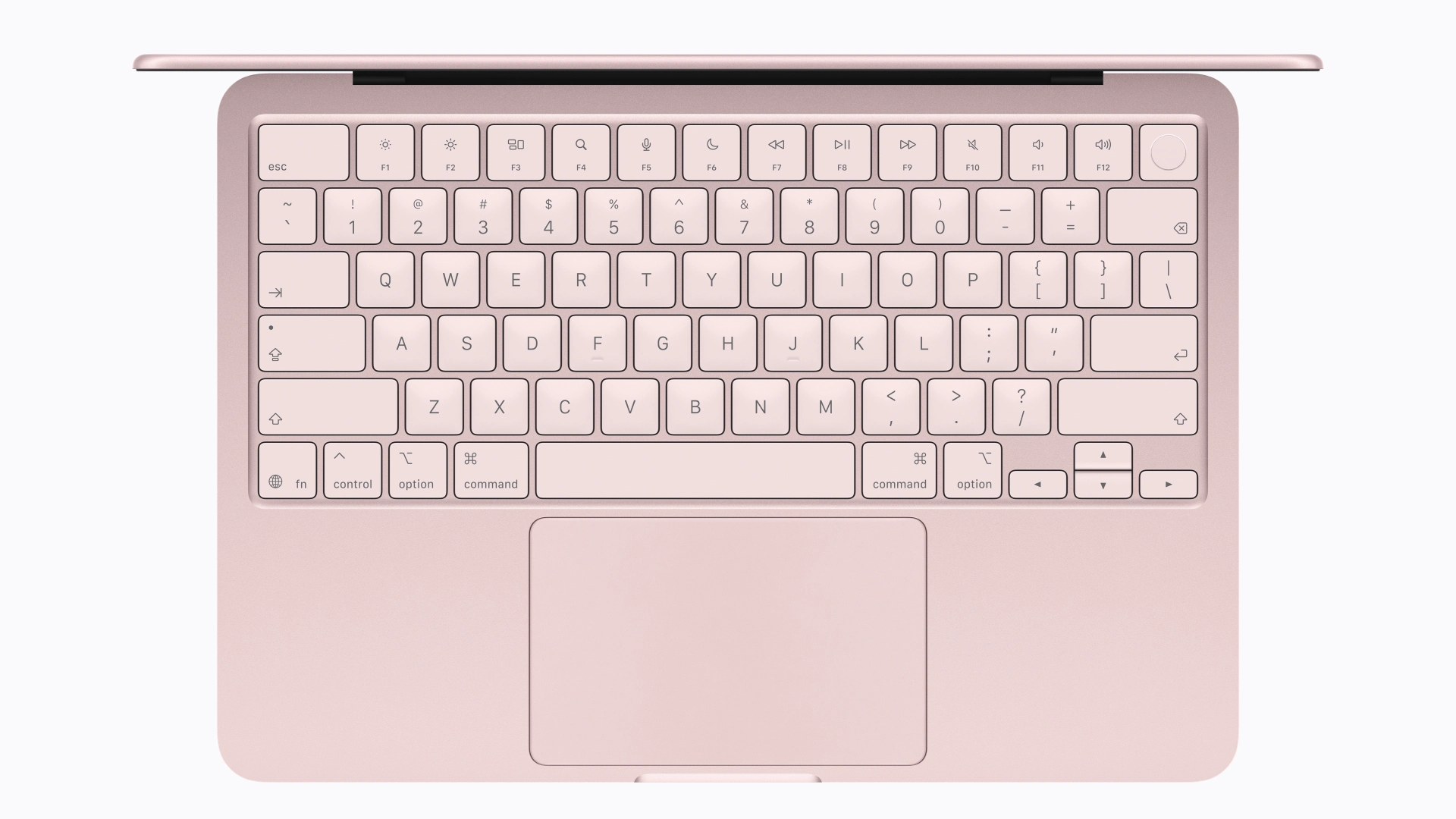
To be clear, this budget MacBook has some trade-offs. The MacBook Neo does not have a backlit keyboard, which is an inconvenience for anyone who works in dim conditions.
It doesn’t have MagSafe, so if the charging cable gets yanked, there’s no magnetic disconnect to save it from falling off the table. It doesn’t have the processing headroom for heavy video editing, large spreadsheet modelling, or running demanding software simultaneously.
Also, with only two USB-C ports and no Thunderbolt, it’s not built to anchor a workstation setup.
If your work regularly involves any of those things, this is not your machine. The MacBook Air M3 or M4, which is considerably more expensive but way more capable, is what you want.
READ: Apple Raises MacBook Prices as M5 Chips Debut
However, if your daily computing involves lectures, research, documents, streaming, light photo editing, communication apps, and the occasional AI tool, the Neo will handle all of that without strain.
MacBooks Are Now Attainable
Apple has spent most of its laptop history in a price range that excluded the majority of the market. The MacBook Neo is a deliberate move downmarket, and it’s a smart one.
Chromebooks made inroads with budget-conscious buyers partly because there was no real Apple alternative below $1,000. That gap is now smaller.
For Kenya, where the laptop market is dominated by Windows devices at every price point, the Neo introduces a serious option that doesn’t require compromising on build quality, display, camera, or software longevity.
The price still won’t be accessible to everyone (nothing in that range is), but it puts a MacBook within reach for a segment of buyers who had simply ruled it out entirely.
Pre-orders opened March 4, with units shipping from March 11. It won’t hit Kenyan retail shelves immediately, but grey-market availability and direct importing should make it accessible within weeks of the US launch.