




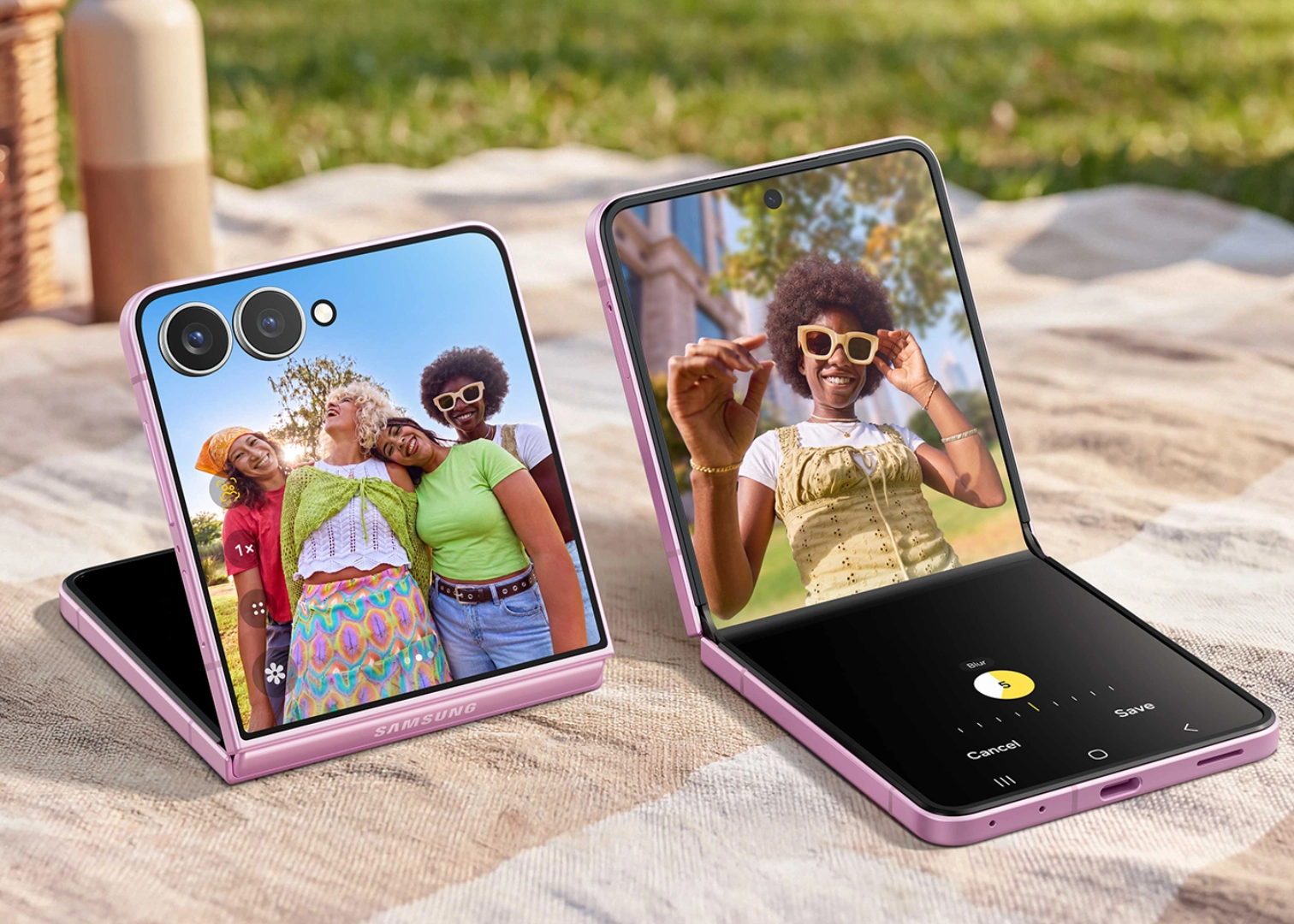
Samsung has opened pre-orders in Kenya for its newest foldable phones: the Galaxy Z Fold8 Ultra, Galaxy Z Fold8, and Galaxy Z Flip8.
All three run on a new version of Samsung’s software, One UI 9, which brings changes aimed less at flashy new tricks and more at fixing things users have complained about for years, like weak transparency around what background apps are doing and how painful it is to switch from an iPhone.
The biggest change is in how the phones handle security. Samsung has split its protection system into two layers. The first, called Knox Enhanced Encrypted Protection, builds separate, encrypted spaces for each task handled by the phone’s on-device AI, called the Personal Data Engine.
The idea is that if one app or process is compromised, it can’t reach into another app’s data because each one is boxed off on its own.
The second layer, Knox Vault, is a physical component built to protect things like encryption keys and login credentials even if someone tries to physically tamper with the hardware itself.
READ: This Samsung Security Update Could Change How You Use Your Phone
To go along with this, the phones now include an AI Assistant Activity Dashboard, which is basically a control panel showing everything an AI agent is doing in the background at any given time.
Users can open it, see what each agent has access to, and shut off or review anything that looks off. Paired with that is a new Privacy Alerts feature, which sends a notification the moment an app tries to access a permission it isn’t supposed to have.
Manish Jangra, who heads Samsung’s Mobile Experience division in East Africa, said the update was built with power users in mind, people who want strong performance but also want to know exactly what their phone is doing and why.
Switching operating systems has also gotten simpler. The updated Smart Switch tool no longer requires installing an app on the old phone. Instead, someone moving from an iPhone can scan a QR code and transfer their data wirelessly.
This includes things that used to get left behind in a switch, like saved passkeys, stored passwords, call logs, accessibility settings, and even active eSIM profiles.
On top of that, Quick Share, Samsung’s file-sharing tool, now works directly with Apple’s AirDrop, so people can send full-resolution photos and files between an iPhone and a Galaxy device without needing a workaround.
READ: Android and iOS Users Can Now Share Files Directly via Quick Share and AirDrop
For people juggling a lot of tasks at once, Samsung is including a free 6-month subscription to Google AI Pro, which comes with 5TB of cloud storage.
There’s also a new hub in settings that pulls together warranty information, device diagnostics, remote support, and Samsung’s Care+ protection plans into a single menu, so users don’t have to dig through separate apps to manage their device.
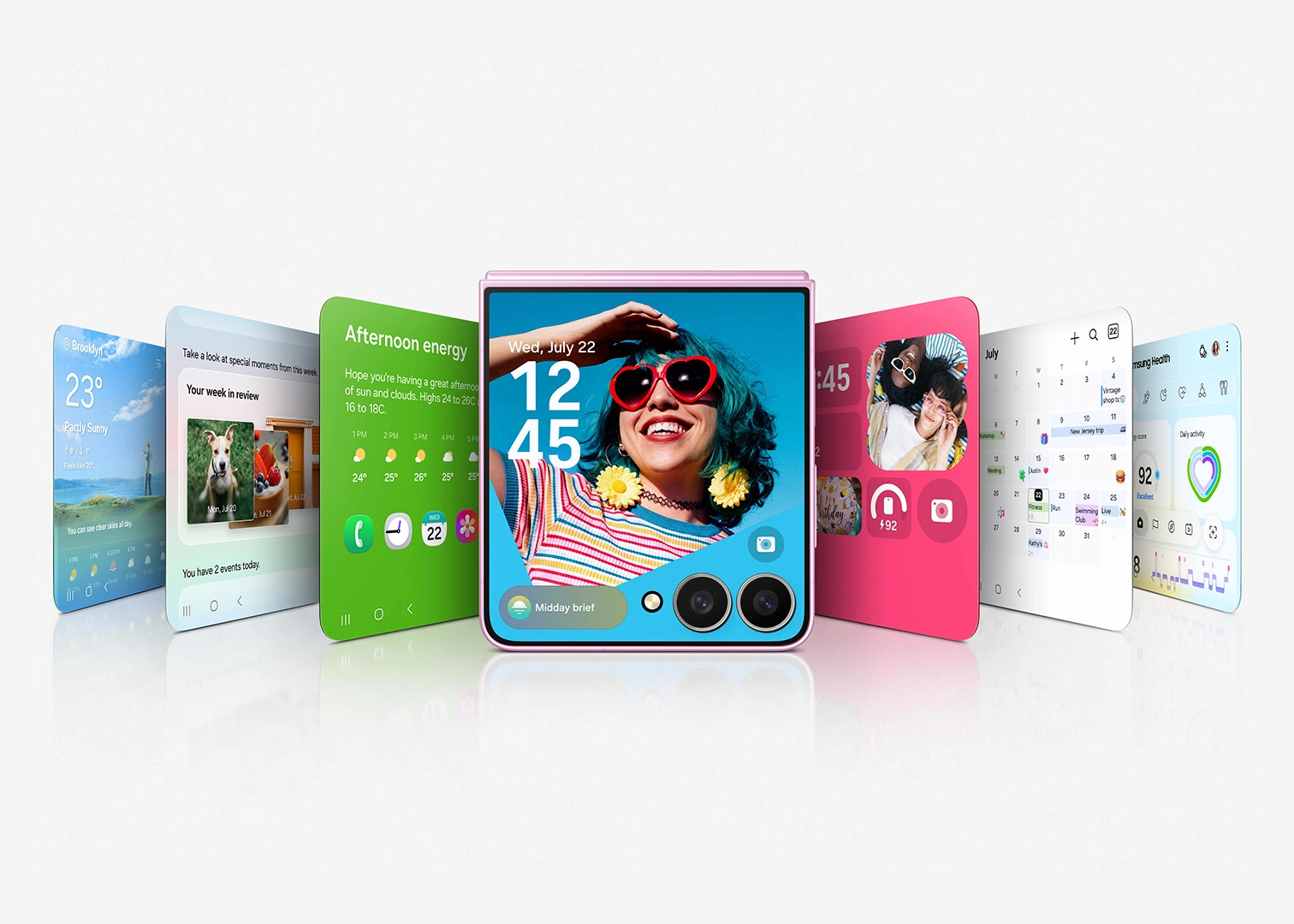
In Kenya, pre-orders are open across every configuration. The Galaxy Z Fold8 Ultra starts at KES 271,000 for the 12GB/256GB version, climbs to KES 297,100 for 12GB/512GB, and tops out at KES 349,300 for the 16GB/1TB model.
The standard Galaxy Z Fold8 starts lower, at KES 243,900 for 12GB/256GB, going up to KES 270,000 for 12GB/512GB and KES 322,200 for 16GB/1TB. The Galaxy Z Flip8 comes in at KES 159,200 for 12GB/256GB and KES 185,300 for 12GB/512GB.
Buyers can choose from standard Graphite and Cream colors, along with Violet Shadow, Lavender, and Pink for the wider lineup. Three additional colors, Green Shadow, Pistachio, and Mint, are only available through Samsung’s website.