




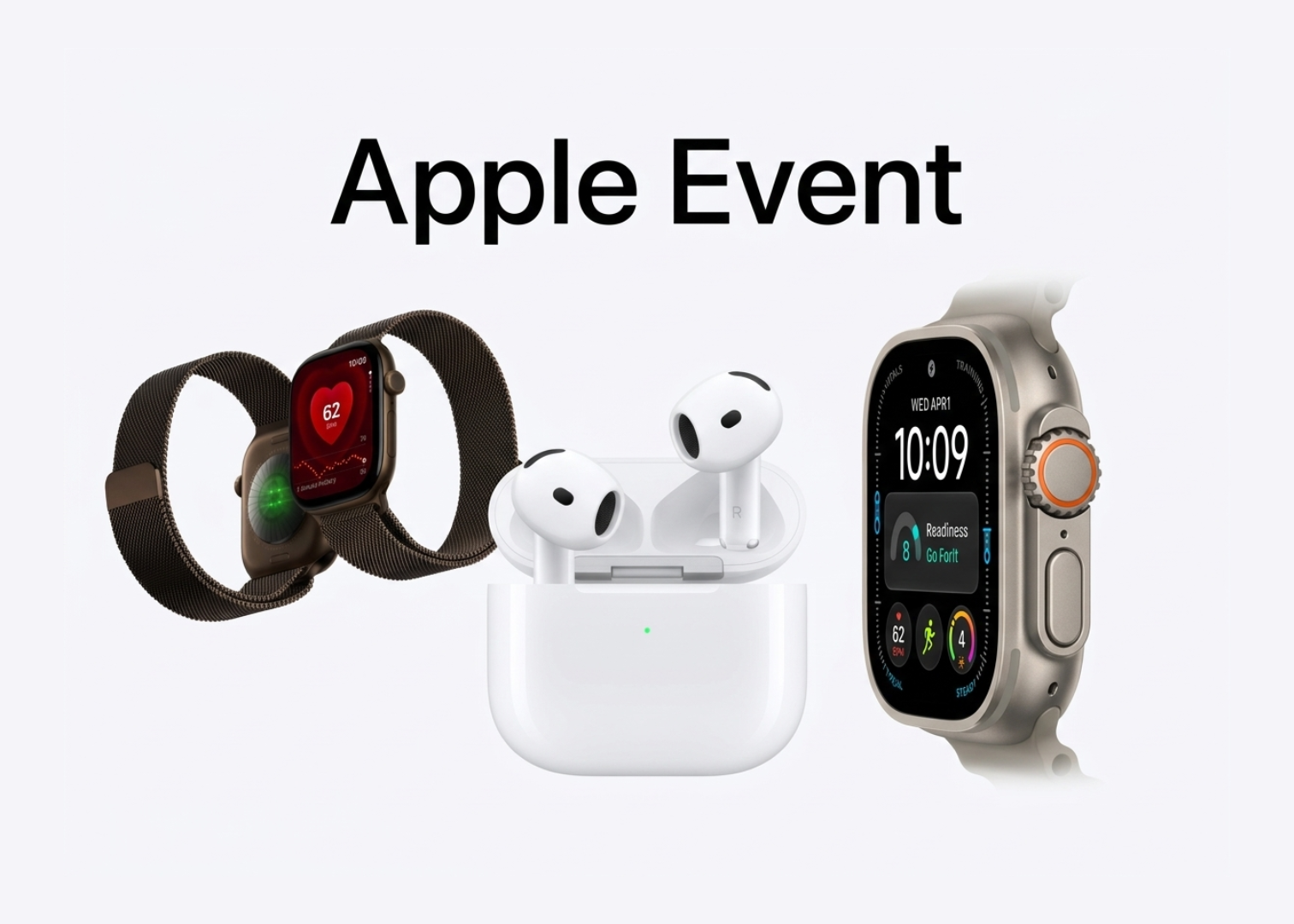
Apple held its September event today, with new CEO John Ternus leading the event, and a big part of the news centered on health tracking and hands-free AI features. Here is what got announced, in plain terms.
AirPods 5: Noise Cancellation Comes to the Cheaper AirPods
The main feature is active noise cancellation, which previously wasn’t available at this price point. Apple says the new ANC blocks up to 50% more outside noise than the ANC in AirPods 4.
Transparency mode has also been redone so voices and background sounds come through more naturally, and there’s a mode that automatically blends noise cancellation and transparency depending on your surroundings.
Sound quality got an upgrade too, thanks to a new internal speaker layout borrowed from the AirPods Pro 3 design. Apple says this should sound better across a wider range of ear shapes.
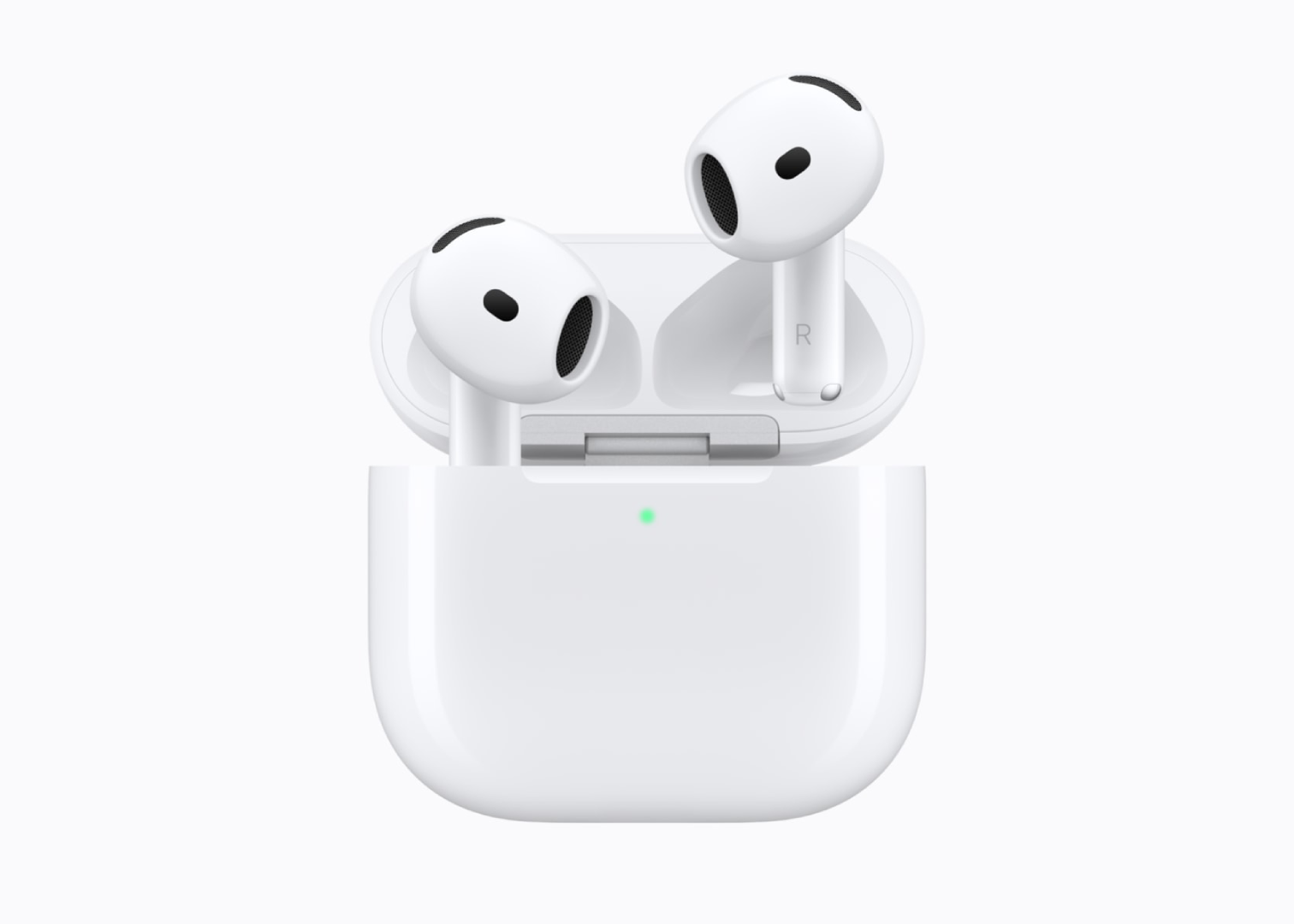
On the software side, AirPods 5 work with the new Siri AI (rolling out in a beta of iOS 27), which is meant to understand more context from your messages, emails, and photos to answer questions or take actions without touching your phone.
You can also nod or shake your head to answer Siri instead of speaking, and Live Translation, which translates conversations in real time, is now available across the whole AirPods lineup.
The pricier model also gets slightly better battery life: up to 5 hours of listening with ANC on, up from 4 hours on AirPods 4, and up to 22 hours total with the charging case.
AirPods 5 start at $129, with a $149 version that adds wireless charging and volume controls on the stem. Both go up for pre-order today and hit stores September 18.
READ: Apple Unveils iPhone 18 Pro and iPhone 18 Pro Max
Apple Watch Series 12: A New Chip Built Around Health Sensors
The biggest change is under the hood. A new “Health Sensing System” paired with Apple’s new S11 chip lets the watch take heart rate readings every five seconds all day, instead of only during workouts or occasionally at rest.
Apple ran a study with over 1,000 people and claims this makes Series 12 the most accurate heart rate sensor of any wearable on the market.
Heart rate variability (HRV), a measurement tied to stress and recovery, is now checked up to 24 times more often than before. The watch splits this into two readings: one focused on daily recovery, and one focused on longer-term cardiovascular health.
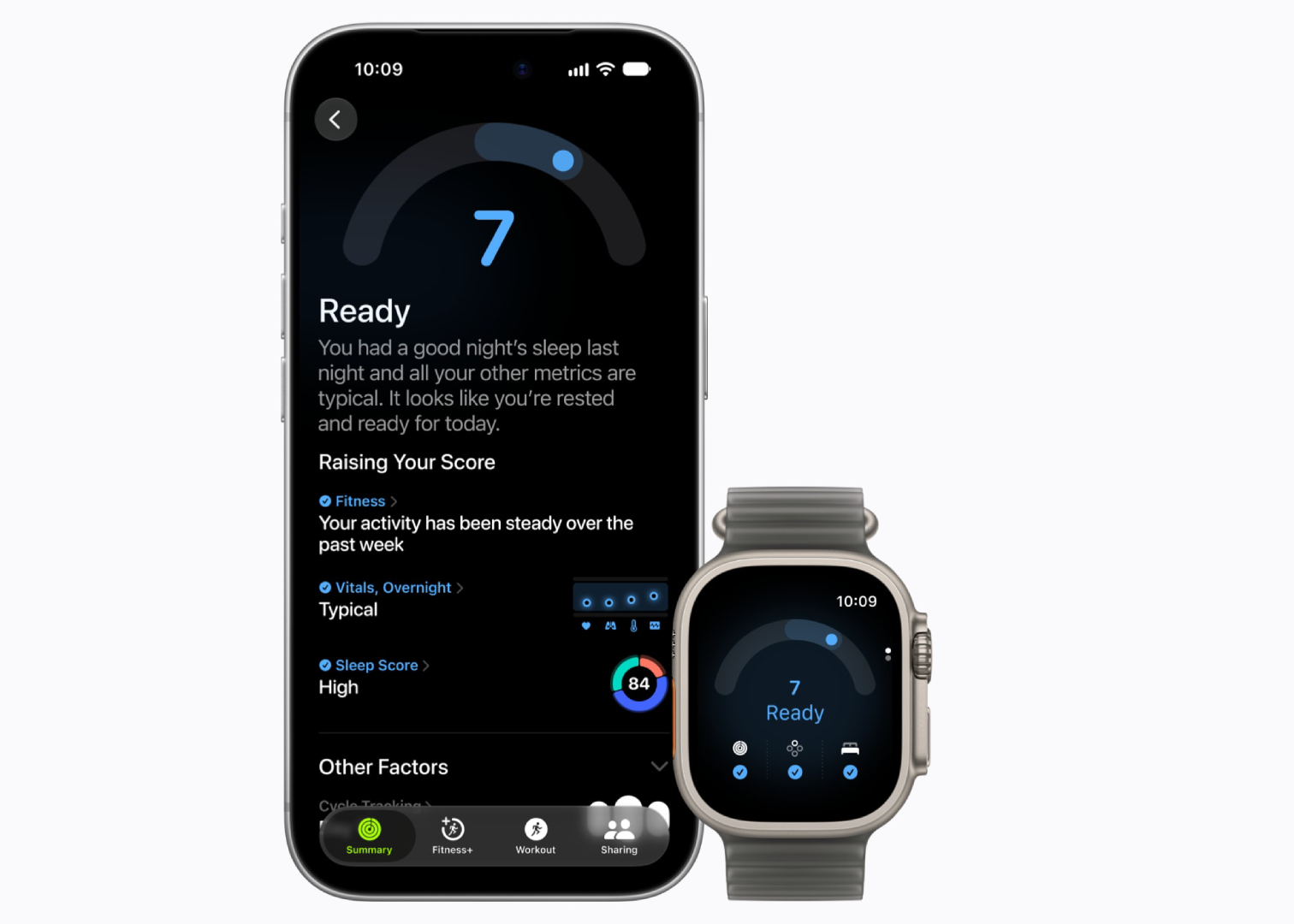
There’s also a new feature called Readiness. Each day the watch looks at your recent workouts, sleep, and vitals, and gives you a score from 0 to 10 along with a simple recommendation: Recover, Pace Yourself, Ready, or Go For It.
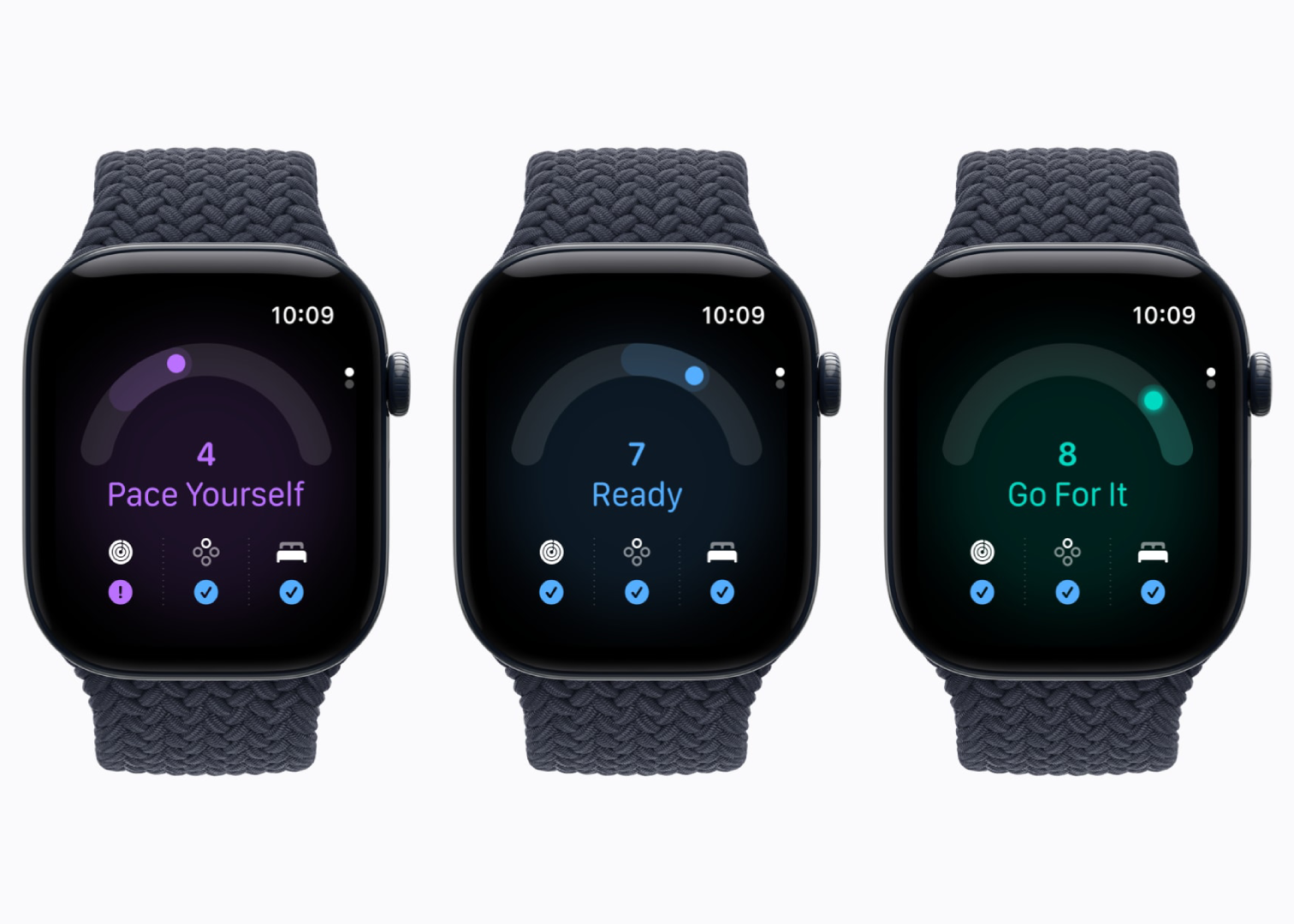
The idea is to give you a quick read on whether your body is up for a hard workout or needs a rest day. The score updates throughout the day as new data comes in.
Other upgrades include a redesigned step counter that Apple says is now the most accurate on any smartwatch, up to 10 hours of workout battery life outdoors (25% more than the previous model), and faster charging, with 15 minutes of charge adding up to 12 hours of use.
A new set of features called Audio Intelligence is coming later this year through the watch’s built-in microphone.
This includes Sound Recognition, which alerts deaf or hard-of-hearing users to sounds like doorbells or sirens; Live Rewind, which lets you replay the last 15 seconds of a conversation as text if you missed something; and Siri Recap, which generates a short written summary of a conversation afterward.
Apple says none of this audio is recorded or stored, it’s processed in an isolated part of the chip and deleted immediately, and users have to turn each feature on individually.
READ: Apple Unveils $1,999 iPhone Duo With 7.6-Inch Foldable Display
Series 12 comes in 42mm and 46mm sizes, in aluminum, titanium, and a new ceramic option, with several new color and band choices.
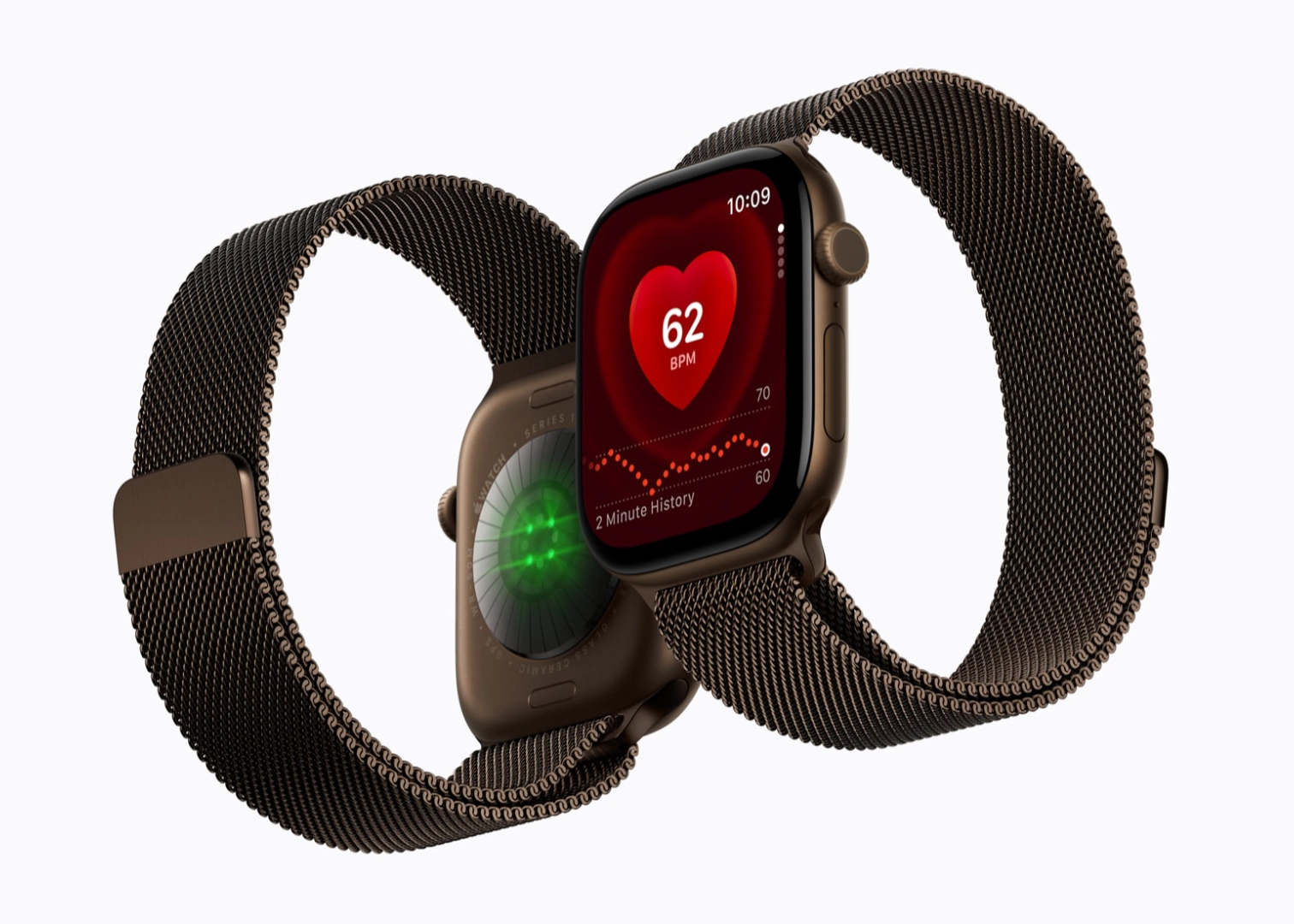
Apple Watch Series 12 starts at $399 and is available to pre-order now, arriving in stores September 18.
Apple Watch Ultra 4: Same Upgrades, Longer Battery Life
The Apple Watch Ultra 4 gets the same Health Sensing System, S11 chip, continuous heart rate tracking, HRV improvements, and Readiness score as the Series 12.
The main difference is battery life built for longer outings: up to 50 hours of everyday use, 84 hours in Low Power Mode, and up to 45 hours of GPS tracking during an extended outdoor workout, which Apple says is enough to cover a 100-mile race.
Charging is also faster, with 15 minutes adding up to 18 hours of battery.
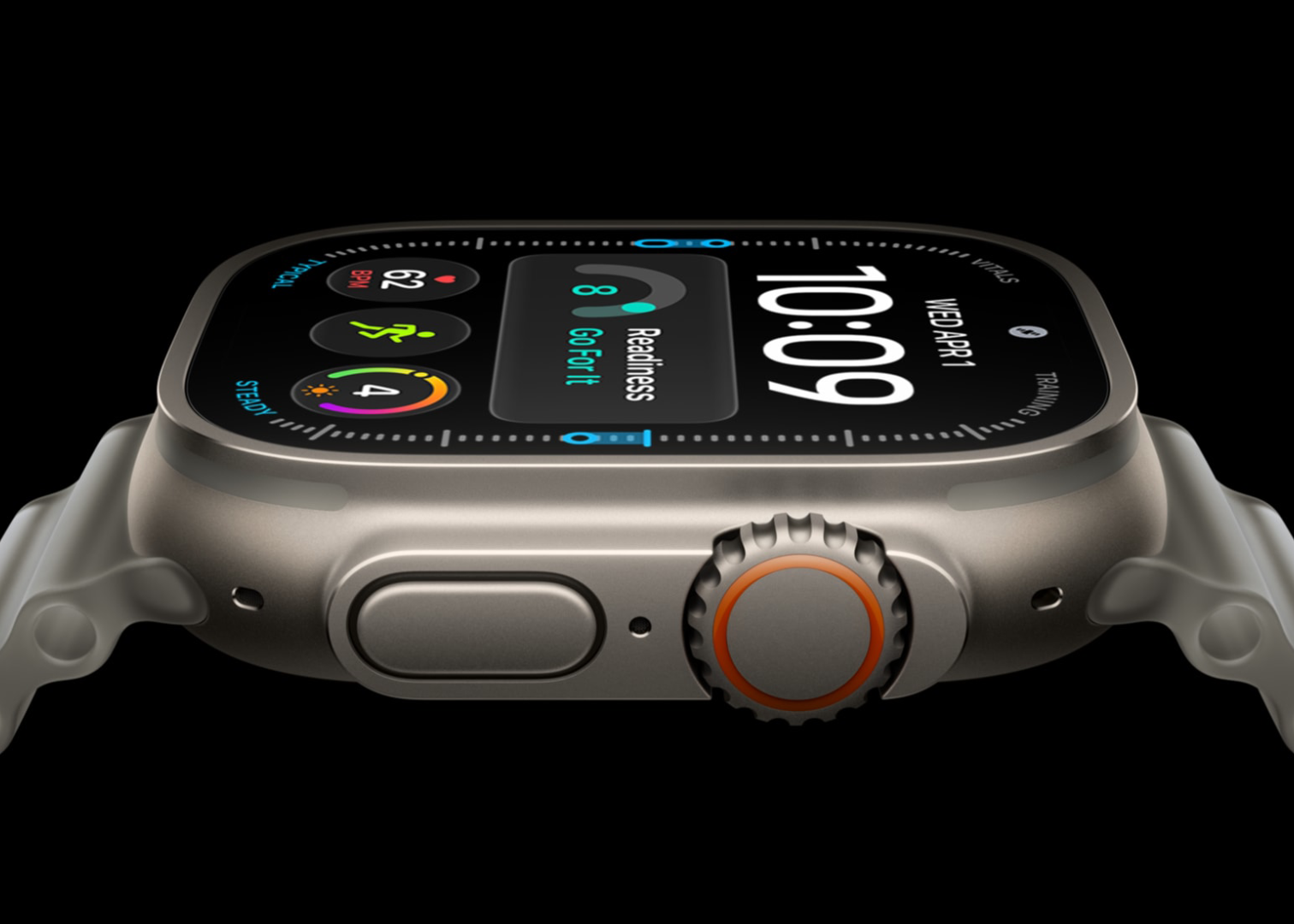
The Ultra 4 comes in natural or black titanium, with new colors added to the Trail Loop, Alpine Loop, and Ocean Band lineups.
Apple Watch Ultra 4 starts at $799, also available for pre-order now with an in-store launch on September 18.
A Redesigned Health App Is Coming Later This Year
Both new watches connect to an overhauled Health app on iPhone, arriving later this year.
The app is getting two new tabs. Insights gives a running summary of your heart, sleep, fitness, and cycle data throughout the day, plus personalized suggestions based on your habits.
Longevity looks at your data over the long run and introduces a “Health Age” score, which estimates how your health metrics compare to your actual age using things like VO2 max, resting heart rate, sleep, and HRV.
You can also add outside lab results, like A1c and cholesterol numbers, to sharpen the estimate.
The app also adds at-home movement assessments that use the iPhone’s camera and the Apple Watch to check flexibility, strength, balance, and movement quality, all processed on the device without recording or saving video.
Cycle Tracking is being expanded to support perimenopause and menopause, including symptom logging and a notification for users 40 and older if their cycle patterns suggest they may be entering perimenopause.
A few smaller additions to round things out: Workout Buddy, Apple’s AI workout coach, now works without an iPhone nearby and is available in Spanish as well as English, and AirPods Pro 3 can now sync heart rate data to compatible gym equipment like treadmills and bikes through GymKit.