




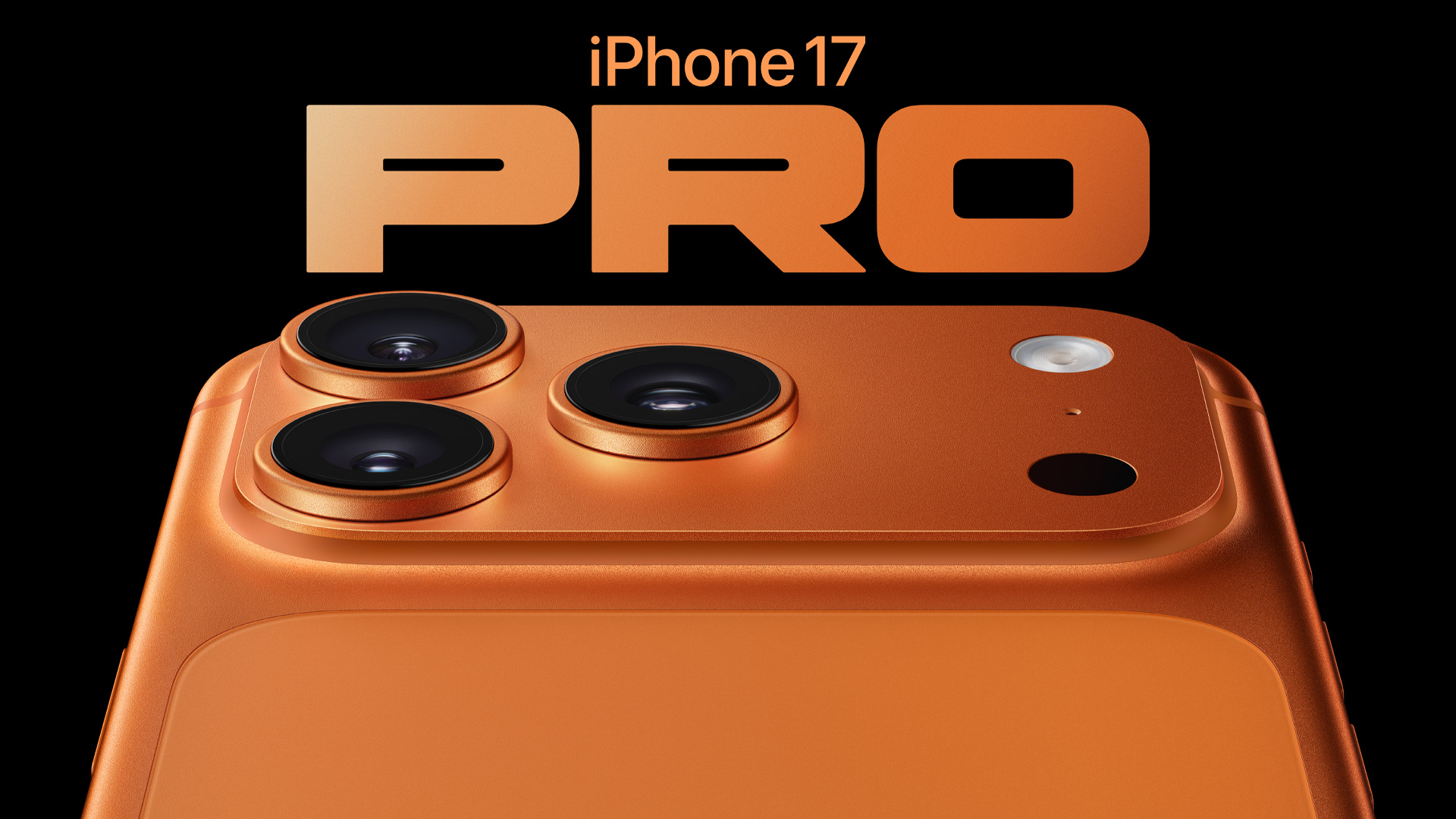
Apple just released the iPhone 17, and if you’re wondering whether it’s worth upgrading from your iPhone 14 or 15, you’re asking the right question.
The answer, according to a comprehensive analysis of iPhone evolution, is probably not – unless you’re willing to pay for the Pro model.
I Swear, This is Not Android Propaganda
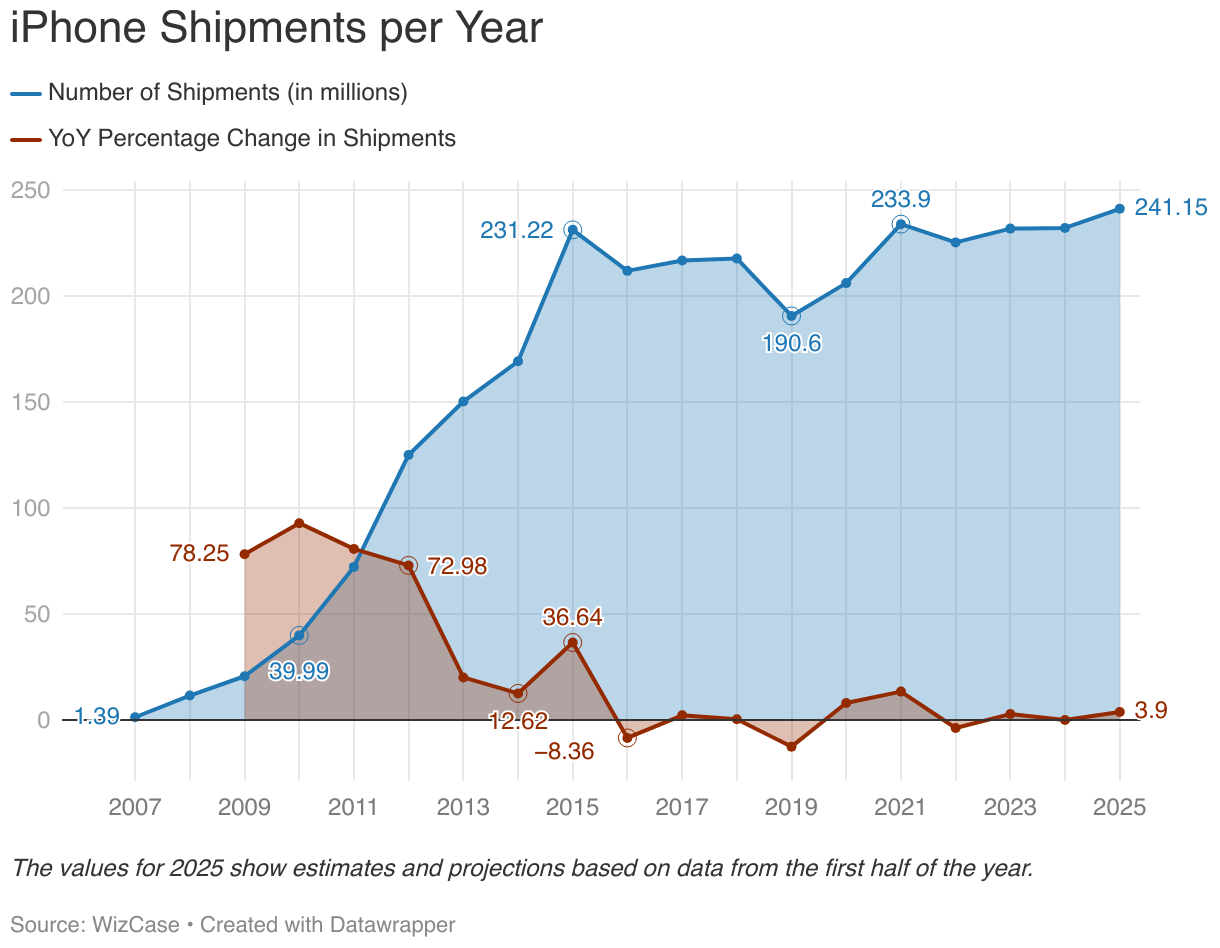
iPhone sales growth has been stuck in neutral since 2015. According to WizCase (thanks!), between 2009 and 2012, iPhone shipments grew by 70% to 95% each year. Those days are over.
Since 2015, Apple has hit double-digit growth in shipments just once, and in 2016, iPhone shipments actually dropped by 8.36%.
Even more telling, while the overall smartphone market grew 10% in the first quarter of 2024, iPhone sales fell. Meanwhile, Samsung’s shipments increased by 7.9% compared to Apple’s projected 3.9% growth.
Chinese manufacturers like Xiaomi, Oppo, and Vivo are also eating into Apple’s market share.
The iPhone Pro Problem
Believe it or not, the biggest problem might be the Pro model of the iPhone. Since the iPhone 13, every generation has locked its most compelling new features behind the Pro models’ higher price tags.
In fact, the iPhone 17 takes this to an extreme, as it’s the first iPhone generation where the standard model gets no significant new features at all.
The iPhone 15 standard model’s biggest “innovation” was replacing the Lightning port with USB-C, and that only happened because European Union regulations forced Apple’s hand. The iPhone 16’s marquee feature was Camera Control, essentially a dedicated camera button.
When it comes to the iPhone 17, the standard model gets nothing new except the usual processor bump, better battery life, and improved camera quality, which are all improvements you’d expect from any new phone.
Meanwhile, the iPhone 17 Pro models get vapor chamber cooling, a technology Samsung has used since 2019. This isn’t exactly cutting-edge innovation.
What Apple Actually Invented
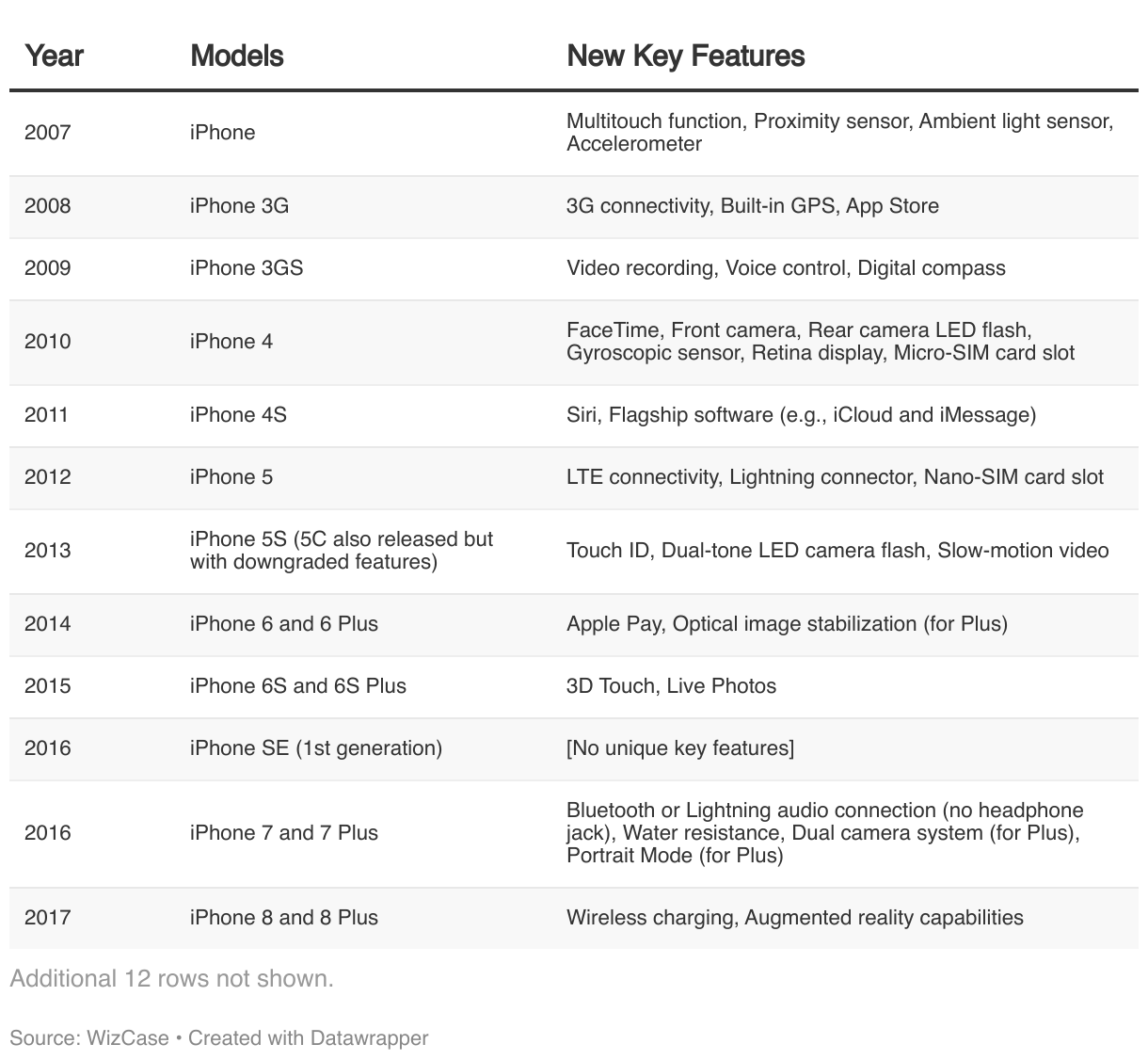
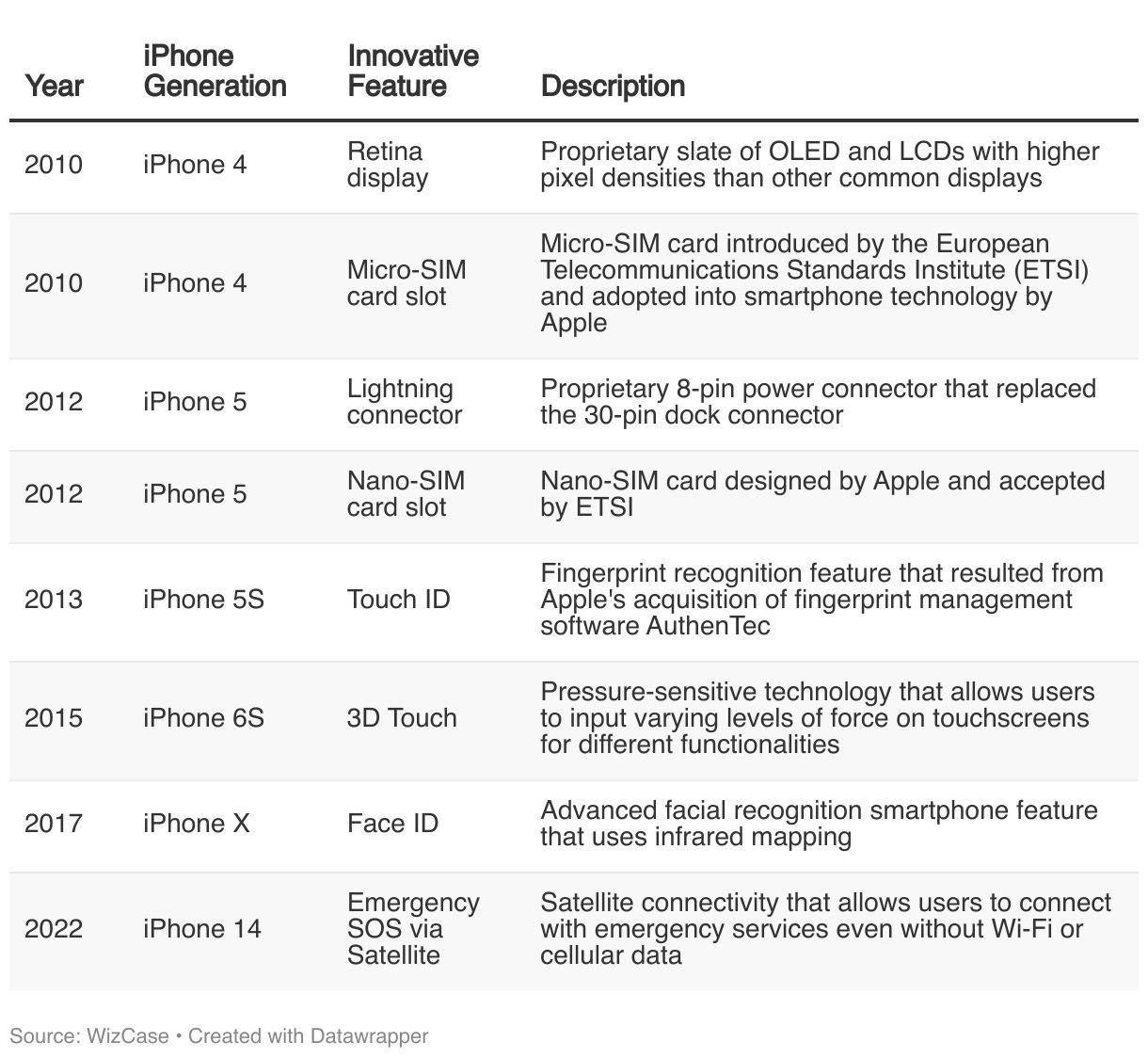
Despite its reputation for innovation, Apple didn’t actually invent most iPhone features. The company has only truly pioneered six smartphone technologies. Siri, for example, was a separate app that Apple bought and integrated into iOS.
What Apple excelled at was taking existing technologies and making them mainstream. The App Store wasn’t the first mobile app marketplace, but it launched in July 2008 and essentially forced Google to rush out the Android Market three months later.
Touch ID wasn’t the first fingerprint scanner on a phone, but Apple made biometric authentication standard.
Most of Apple’s market-changing adoptions happened between the late 2000s and mid-2010s. Since then, the smartphone industry has matured, leaving less room for revolutionary changes and more focus on incremental improvements.
The Security Angle
One area where Apple continues to lead is security, though even here the pace of major new features has slowed. The iPhone’s closed ecosystem makes it inherently more secure than Android’s open system, but most security improvements now come through iOS updates rather than hardware changes.
The iPhone 17 does introduce Memory Integrity Enforcement, which Apple claims is “the most significant upgrade to memory safety in the history of consumer operating systems.” That’s a bold claim for a feature most users will never notice.
Apple’s Real Innovation Is Making You Pay More
Apple’s actual innovation might be economic rather than technological. The company has successfully trained customers to expect that meaningful upgrades require buying Pro models.
An example is how the iPhone Air, with its ultra-thin design, serves as another way to segment the market and justify higher prices.
This strategy works because of Apple’s ecosystem lock-in. Once you have an iPhone, iPad, Mac, and Apple Watch all syncing seamlessly, switching to Android becomes much more complicated. Competitors haven’t been able to replicate this ecosystem advantage.
It doesn’t take a genius to see that the smartphone industry has hit a maturity wall. Phones already do everything most people need them to do, and they do it well. Revolutionary improvements are harder to find when the technology is already quite good.
READ: Apple Stock Crashes After Fans Slam iPhone 17 Design
Apple’s challenge right now is more economic than technical. The company built its reputation on annual innovation cycles, but maintaining that pace becomes increasingly difficult as technology matures.
That’s why its solution has been to spread innovations across different price tiers, ensuring that people who want the latest features pay premium prices.
This isn’t necessarily bad for Apple’s business. The company still leads in profit margins and customer satisfaction. But it does explain why your three-year-old iPhone still feels perfectly adequate and why upgrading every year no longer makes sense for most users.
The truth we may need to accept is that the iPhone revolution is over. What we have now is iPhone evolution: slower, more incremental, and increasingly expensive to access. For most people, that’s probably fine. Your phone already works great.