






Apple’s much-anticipated iPhone 17 launch has landed with a thud, both online and on Wall Street. Unveiled at annual “Awe-Dropping” Apple event on September 9, the iPhone 17 lineup was billed as the company’s boldest design shift in years.
However, a huge number of Apple users didn’t feel the same way, and they made their opinions heard, sending the company’s stock into a sharp slide.
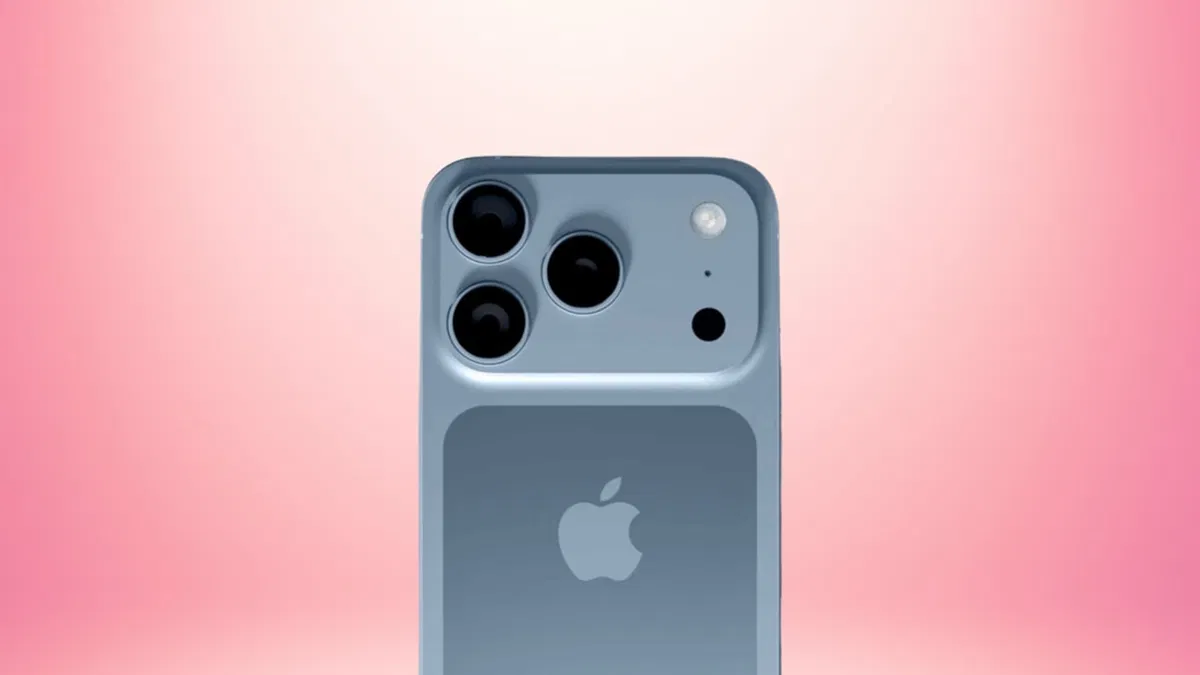
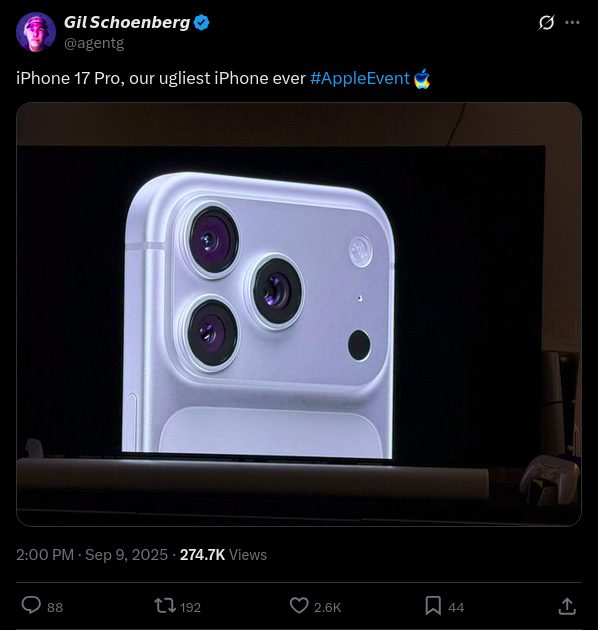
Within minutes of the launch, social media was flooded with memes and complaints. Most of the criticism centered on Apple’s choice to redesign its Pro models with a full-width camera bar.
Many fans feel the new look makes the device resemble a Pixel or other Android phone rather than a premium iPhone.
“The ugliest iPhone yet,” one user posted on X, summing up the mood.
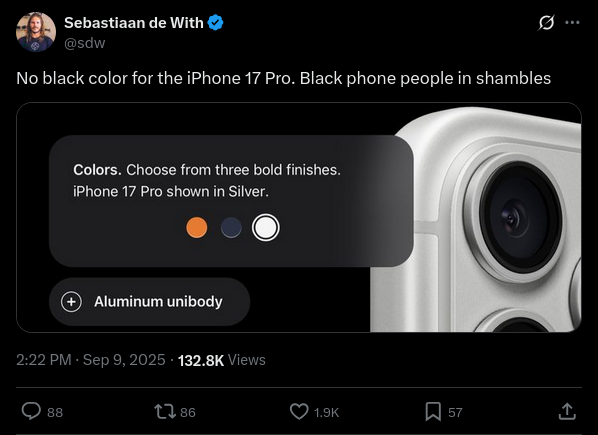
Others were equally unimpressed with Apple’s new “bold” colors, namely Cosmic Orange and Deep Blue, lamenting the disappearance of the classic black finish.
The thinner iPhone Air, measuring just 5.6 mm, initially grabbed attention for its slim profile, but critics later pointed out potential trade-offs, such as reduced battery life and fewer camera features compared to the Pro models.
iPhone 17 vs. iPhone 16: At a Glance
| Feature | iPhone 17 | iPhone 16 |
| Design | Full-width camera bar, thinner bezels | Classic triple-camera bump |
| Colors | Cosmic Orange, Deep Blue, Silver, White | Black, Silver, Blue, Pink |
| New Model | iPhone Air (5.6 mm, ultra-slim) | None |
| Camera | Upgraded 48MP wide with AI tweaks | 48MP Main, no AI integration |
| OS | iOS 26 | iOS 18 |
| Performance | A19 chip, 3nm process | A18 chip |
| Battery Life | Slightly reduced on iPhone Air | Better endurance on standard models |
Wall Street Reactions
Unfortunately for Apple, the negative fan sentiment spilled over into the markets. The company’s stock fell 1.5% immediately after the launch and slumped by over 3% the following day, wiping out more than $100 billion in market value.
Analysts believe this poor launch reception was a result of:
- Incremental upgrades: Many saw the new lineup as evolutionary rather than revolutionary, lacking the breakthrough innovation investors had hoped for.
- Weak AI showing: At a time when rivals are doubling down on AI, Apple’s event was light on AI announcements.
- Margin pressures: Apple confirmed it would absorb nearly $1 billion in tariffs without raising prices, a consumer-friendly move that raised investor concerns about profitability.
- Leaks: With most design and spec details of the iPhone 17 leaked in advance, the Apple event failed to generate the surprise factor that often drives post-launch stock momentum.
In fact, a number of analysts cut their ratings following the event, with some warning that Apple’s sky-high valuation leaves little room for missteps.
Can Apple Bounce Back?
This isn’t the first time Apple has faced design outrage. The iPhone notch, camera bumps, and even the removal of the headphone jack were all ridiculed at launch only to later become industry standards.
Industry experts say the real test will come from consumer demand. If the iPhone Air’s slim build finds an audience and the Pro models deliver on camera performance, today’s “ugly” complaints could fade into the background.
That said, with competitors racing ahead on AI integration and foldable tech, Apple’s more cautious design gamble could prove risky and affect the company’s long term outcome.